

Introduction
The global energy industry is changing as governments, businesses, utilities, and consumers increasingly invest in renewable power and electricity infrastructure. Solar, wind, hydropower, battery storage, grid technology, and other clean-energy solutions are becoming important parts of the evolving power system. This transition has also created growing interest in green energy stocks, which represent companies involved in renewable electricity generation, equipment manufacturing, energy storage, transmission, clean technology, and related services. However, investing in this sector requires more than simply identifying companies associated with clean energy. Investors need to understand business models, revenue growth, profitability, debt, project pipelines, valuation, government policies, interest rates, and competition. The sector can experience significant volatility because many renewable projects require substantial upfront capital and depend on financing conditions and regulatory frameworks. Recent global data also shows that clean-energy investment remains substantial but has experienced uneven growth across regions and technologies in 2026.
What Are Green Energy Stocks?
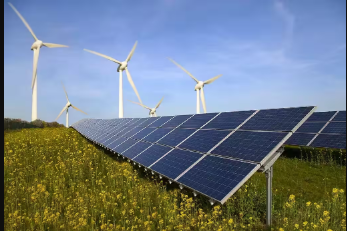
Green energy stocks generally refer to publicly traded companies whose businesses are connected to renewable or low-carbon energy. These businesses can operate in several different parts of the energy value chain. Some companies develop and operate solar or wind farms, while others manufacture panels, turbines, batteries, inverters, cables, power-management systems, or other equipment. There are also companies involved in electricity transmission, energy storage, engineering, construction, and renewable-energy services.
This means that green energy stocks are not a single type of investment. Two companies may both be described as clean-energy businesses while having completely different sources of revenue and risk. A renewable power producer may generate recurring revenue from long-term electricity contracts, while a solar equipment manufacturer may depend heavily on manufacturing costs, commodity prices, international competition, and demand cycles. Understanding this distinction is important before comparing companies in the sector.
Why Green Energy Is Attracting Attention
Electricity demand is changing as economies become increasingly dependent on data centers, electric vehicles, industrial electrification, digital services, and electrically powered infrastructure. Renewable generation can be part of the additional electricity supply needed to meet this demand. In September 2026, Reuters reported that the International Energy Agency expected renewable generation from wind, solar, and hydropower to grow by more than 8% during the year and reach a 37% share of global electricity generation by 2027.
The investment story is therefore connected not only to environmental considerations but also to electricity demand, energy security, infrastructure modernization, and technology development. At the same time, the growth of the sector does not mean every company will benefit equally. Investors still need to evaluate individual businesses, because strong industry growth can coexist with weak financial performance at particular companies.
Solar Energy Companies
Solar power has become one of the largest segments of renewable-energy investment. Solar businesses can include manufacturers of photovoltaic modules, developers of solar farms, installers, inverter manufacturers, energy-management companies, and operators of large-scale renewable projects.
Solar companies can benefit when installation volumes increase, manufacturing technology improves, and electricity demand grows. However, the industry can also face intense price competition and periods of oversupply. Manufacturing businesses may experience pressure on profit margins when equipment prices fall quickly. Developers, meanwhile, can be affected by financing costs, permitting delays, grid connections, and changes in electricity prices.
Recent clean-investment data illustrates this complexity. The Clean Investment Monitor reported that global solar manufacturing investment declined during the first half of 2026, even while announced investment increased in some regions. India accounted for a growing share of solar manufacturing investment during this period.
Wind Energy Stocks
Wind power represents another major renewable-energy segment. Companies in this area can include turbine manufacturers, project developers, engineering companies, component suppliers, and renewable power operators. Wind projects can be large and capital intensive, requiring substantial investment before electricity generation begins.
The economics of wind projects depend on equipment costs, financing rates, construction schedules, electricity contracts, resource quality, transmission access, and regulatory requirements. Offshore wind can involve particularly large infrastructure requirements, while onshore projects may have different land, permitting, and construction considerations.
For investors researching green energy stocks, it can therefore be useful to determine whether a company primarily manufactures equipment, develops projects, operates renewable assets, or provides specialized services. Each business model responds differently to changes in the energy market.
Battery Storage and Energy Storage
Renewable electricity generation is increasingly connected with energy storage. Solar production varies throughout the day, while wind generation can change depending on weather conditions. Batteries can help store electricity and provide power at different times, making storage an important part of modern electricity infrastructure.
Companies involved in batteries, storage systems, software, power electronics, and grid management may therefore become increasingly relevant to the energy transition. However, battery businesses also face challenges involving raw-material prices, manufacturing costs, technological competition, supply chains, and capital requirements.
Energy storage is particularly important as electricity systems attempt to balance growing renewable generation with changing demand. Deloitte’s 2026 renewable-energy outlook highlighted storage integration as one of the important trends shaping the sector.
Grid Infrastructure and Transmission
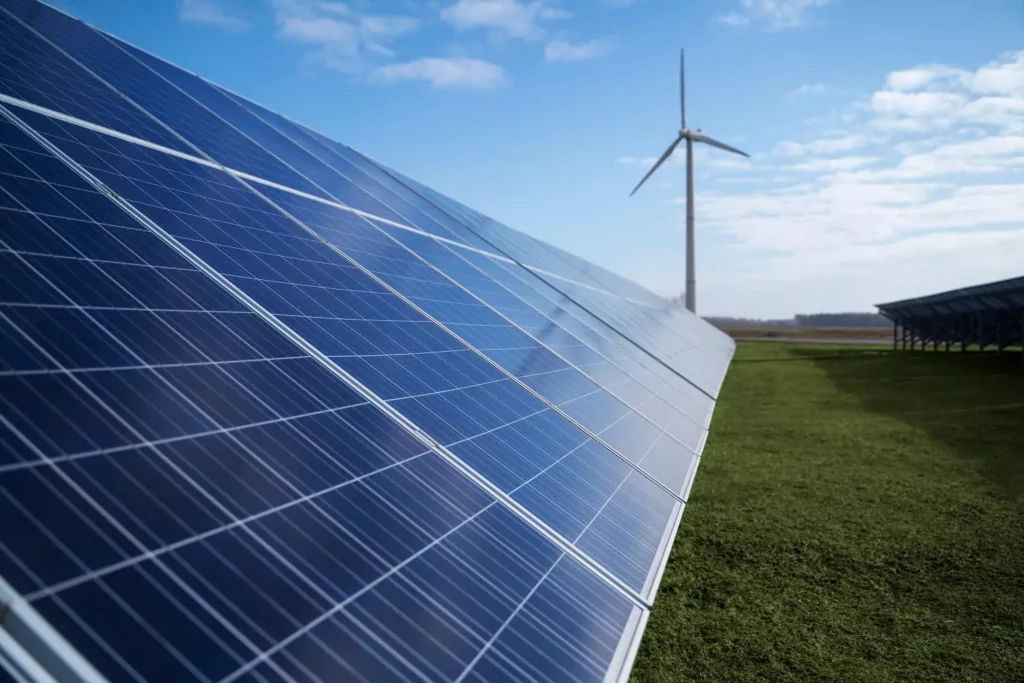
Renewable generation cannot deliver electricity effectively without suitable transmission and distribution infrastructure. New solar and wind projects often require connections to existing electricity networks, while rising electricity demand can require additional grid capacity.
This creates opportunities for companies involved in transmission equipment, cables, substations, transformers, grid-management technology, engineering, and power infrastructure. In some markets, grid expansion may become just as important as building new generation capacity.
This part of the industry can provide a different investment profile from pure renewable-energy developers. Infrastructure businesses may receive revenue from long-term contracts or regulated operations, although their financial performance can still depend on capital spending, interest rates, regulation, project execution, and government policy.
How to Evaluate Green Energy Stocks
Investors studying green energy stocks should look beyond the environmental theme and examine the underlying financial position of each company. Revenue growth is one useful starting point, but revenue alone does not demonstrate whether a business is financially sustainable.
Profit margins, operating cash flow, debt levels, capital expenditure, return on invested capital, and free cash flow can provide additional information. Investors can also examine whether a company has enough financial resources to complete its projects and whether its future growth depends heavily on raising additional capital.
Another important consideration is valuation. A company can operate in a rapidly growing industry but still have an expensive share price relative to its earnings or cash flows. Comparing valuation with expected growth and business quality can provide a more complete picture.
Importance of Interest Rates
Interest rates are particularly important for capital-intensive renewable-energy businesses. Large solar farms, wind projects, battery facilities, and transmission networks can require significant upfront investment. Higher borrowing costs can make project financing more expensive and potentially reduce expected returns.
Lower financing costs can have the opposite effect by improving project economics. This relationship means renewable-energy companies may respond strongly to changes in monetary policy and bond yields. Investors should therefore consider the interest-rate environment when analyzing the sector rather than evaluating renewable businesses in isolation.
Morningstar noted that renewable-energy stocks have historically been sensitive to interest rates and policy frameworks, while the sector’s 2025 recovery was supported partly by improving fundamentals and easing financing pressure.
Government Policy and Regulation
Government policy can significantly affect renewable-energy companies. Tax incentives, subsidies, renewable-energy targets, electricity-market rules, permitting requirements, trade restrictions, and environmental regulations can influence project economics and equipment demand.
Policy changes can create opportunities but can also introduce uncertainty. A company whose business model depends heavily on a particular incentive may face greater risk if that policy changes. Investors should therefore examine whether a company’s projects remain economically viable under different policy conditions.
Deloitte’s 2026 outlook specifically highlighted policy changes, supply-chain requirements, financing, and project timelines as important factors influencing renewable-energy development.
Green Energy Stocks in India
India has become an important market for renewable-energy development. Solar and wind expansion, grid infrastructure, energy storage, and manufacturing are all contributing to the country’s changing energy landscape. Recent clean-investment data from the Clean Investment Monitor showed India’s clean investment rising 23% in the second quarter of 2026 from the previous quarter, while India also recorded strong growth in solar manufacturing investment.
Indian investors researching green energy stocks can therefore encounter companies operating across renewable generation, power transmission, equipment manufacturing, and related infrastructure. However, individual companies can have very different debt levels, valuations, project pipelines, profitability, and exposure to government policies. Sector growth should not be treated as evidence that every company within the sector will produce similar investment results.
Risks Associated With Green Energy Stocks
Green energy investing involves several risks. One major risk is valuation. Strong expectations about future growth can cause some companies to trade at prices that assume substantial future success. If growth fails to meet those expectations, share prices can decline.
Another risk is financing. Renewable projects can require large amounts of capital, making companies vulnerable to higher borrowing costs. Supply-chain disruptions, commodity prices, project delays, permitting problems, grid constraints, technological changes, and government-policy changes can also affect performance.
Competition is another consideration. Rapid growth can attract new companies and encourage existing businesses to expand. Increased competition can eventually pressure prices and profit margins, particularly in manufacturing.
Green Energy ETFs and Diversification
Investors who want exposure to the renewable-energy theme without selecting individual companies may consider diversified investment products such as sector-focused exchange-traded funds, depending on their jurisdiction and investment objectives. Such products can provide exposure to multiple companies across different parts of the clean-energy industry.
Diversification does not eliminate market risk, but it can reduce the impact of problems at one individual company. Investors should still examine an ETF’s holdings, fees, concentration, geographical exposure, methodology, and historical volatility before investing.
Future of the Green Energy Industry
The future of renewable energy will likely depend on several interconnected developments. Electricity demand, battery storage, transmission capacity, manufacturing efficiency, technology improvements, financing costs, and government policy will all influence how quickly the industry expands.
Clean investment remains large globally, but the 2026 data shows that growth is uneven. Global clean investment in the first half of 2026 was 17% below the first half of 2025, although investment increased during the second quarter and India was among the markets showing strong quarterly growth.
This suggests that investors should avoid viewing the energy transition as a simple, uninterrupted growth story. Different technologies and companies can experience very different cycles.
Building a Research Checklist
Before considering any renewable-energy company, investors can examine several areas. These include revenue growth, profitability, debt, cash flow, project pipeline, valuation, competitive position, management strategy, technology, geographic exposure, government-policy dependence, and capital requirements.
It is also useful to compare a company’s current financial performance with its historical results and stated future objectives. Investors should distinguish between confirmed projects, projects under construction, and early-stage proposals because the probability of completion can differ considerably.
Conclusion
Green energy stocks represent a broad investment theme covering renewable electricity, solar, wind, battery storage, grid infrastructure, equipment manufacturing, and other clean-energy technologies. The sector is supported by changing electricity demand and continued investment in energy infrastructure, but it also faces challenges involving financing, policy changes, competition, supply chains, project execution, and valuation. Current 2026 data shows that clean-energy investment remains substantial while regional and technological trends vary considerably.
For investors researching green energy stocks, the most important step is to look beyond the overall clean-energy narrative and understand the financial characteristics of individual businesses. Examining revenue, earnings, debt, cash flow, valuation, project pipelines, and industry risks can provide a more complete foundation for investment research. Renewable energy may continue to play an important role in the global power system, but individual investment outcomes will depend on the specific companies, prices, and risks involved.