

Introduction
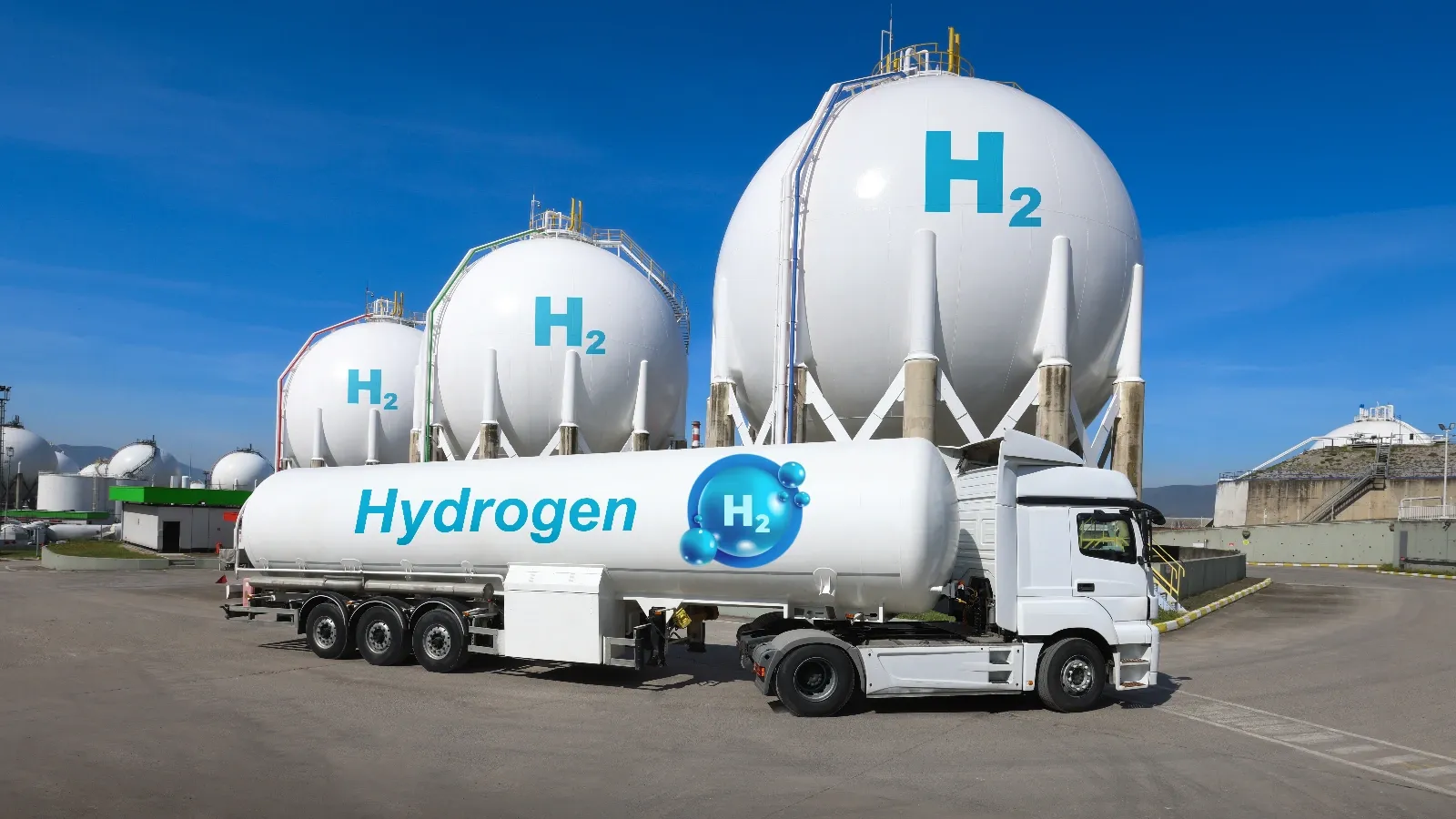
The global energy industry is undergoing a significant transformation as countries, businesses, and investors look for cleaner alternatives to traditional fossil fuels. Green hydrogen has emerged as a promising part of this transition because it can be produced using renewable electricity and water, potentially reducing emissions in industries that are difficult to electrify. Governments are introducing clean energy policies, companies are investing in hydrogen infrastructure, and industrial manufacturers are exploring new ways to reduce their carbon footprints. These developments have attracted attention to green hydrogen stocks among investors interested in long-term energy trends.
However, the hydrogen industry is still developing, and its commercial success depends on several factors, including production costs, renewable electricity prices, infrastructure availability, government support, and demand from industrial customers. Investors should therefore understand the technology, the businesses involved, and the risks before making investment decisions. Rather than viewing every hydrogen-related company as an immediate growth opportunity, it is important to evaluate each business according to its financial position, project pipeline, and ability to generate sustainable revenue.
What Is Green Hydrogen?
Green hydrogen is hydrogen produced by splitting water into hydrogen and oxygen through a process called electrolysis, using electricity generated from renewable sources such as solar and wind power. Unlike conventional hydrogen production methods that rely heavily on natural gas or other fossil fuels, renewable-powered electrolysis can significantly reduce production-related carbon emissions when the entire energy supply chain is managed appropriately.
Green hydrogen can be used in several sectors, including fertilizer production, steel manufacturing, chemical processing, heavy transportation, and energy storage. It may also help industries reduce emissions where direct electrification is difficult or commercially impractical. Nevertheless, hydrogen is not automatically a clean fuel in every situation. Its environmental benefits depend on how it is produced, transported, stored, and consumed. Understanding these distinctions helps investors identify companies with credible technology, realistic projects, and a clear path toward commercial operations.
Why Are Green Hydrogen Stocks Gaining Attention?
Interest in hydrogen-related businesses is increasing because governments and industrial companies are looking for ways to reduce dependence on fossil fuels. Green hydrogen could become particularly valuable in sectors where conventional renewable electricity cannot easily replace existing industrial processes. Steel producers, fertilizer manufacturers, refineries, and chemical companies are among the potential customers.
In India, the National Green Hydrogen Mission aims to establish the country as a major producer, user, and exporter of green hydrogen and its derivatives. The government has set a target of reaching five million metric tonnes of annual green hydrogen production capacity by 2030 and is supporting electrolyser manufacturing and hydrogen production through incentive schemes. These measures could create opportunities for companies developing production facilities, renewable energy projects, industrial equipment, and related infrastructure.
Leading Green Hydrogen Stocks in India
Investors researching the Indian market can examine established companies with exposure to hydrogen production, renewable energy, industrial engineering, and energy infrastructure. The following businesses have different levels and types of exposure, so they should not be considered interchangeable investments.
1. Reliance Industries
Reliance Industries has announced substantial ambitions in renewable energy and green hydrogen as part of its broader energy transition strategy. Its interests across energy, manufacturing, and industrial infrastructure could help it develop an integrated hydrogen business, from renewable electricity and equipment to hydrogen-derived products. Such integration may offer advantages if production costs decline and demand for low-carbon industrial fuels increases.
Nevertheless, Reliance is a diversified conglomerate, and its overall financial performance depends on several businesses beyond hydrogen. Investors should examine actual capital expenditure, project commissioning milestones, hydrogen-related revenue disclosures, and the profitability of its new energy operations rather than valuing the entire company solely on future hydrogen expectations.
2. Larsen & Toubro
Larsen & Toubro offers exposure to hydrogen through engineering, procurement, construction, and equipment manufacturing. Green hydrogen projects require complex industrial facilities, including electrolysers, electrical systems, storage infrastructure, and processing equipment. Companies with established engineering capabilities may benefit from contracts to design and construct these facilities as the industry expands.
L&T’s existing engineering and infrastructure operations also provide business exposure beyond hydrogen. However, investors should assess project execution, order-book quality, operating margins, and the timing of contract revenue. A growing hydrogen project pipeline can be encouraging, but announced contracts do not guarantee that every project will be completed on schedule or generate attractive returns.
3. NTPC
NTPC is a major power-generation company that is expanding its involvement in renewable energy and emerging clean-energy technologies. Its experience with large power projects could support hydrogen production facilities that require dependable electricity, industrial land, and connections to energy infrastructure. Its green hydrogen initiatives also fit into the wider effort to diversify India’s energy supply.
Investors should distinguish between NTPC’s established electricity business and its developing hydrogen activities. The existing power business may provide a financial foundation, but hydrogen projects can involve different costs, risks, and returns. Reviewing capital allocation, renewable capacity additions, debt levels, and the commercial progress of hydrogen projects can help investors understand the company’s overall investment profile.
4. Indian Oil Corporation
Indian Oil Corporation is worth researching because refineries already consume hydrogen in processes such as fuel treatment. Replacing a portion of conventional hydrogen with renewable hydrogen could offer a practical starting point for industrial adoption, especially where production can take place near existing refining facilities.
Its existing industrial infrastructure and established customer base may help support pilot projects and future expansion. However, the economics depend on the cost of renewable electricity, equipment, water, and hydrogen production compared with conventional alternatives. Investors should also consider refining margins, crude oil price movements, capital expenditure, and the company’s broader financial performance.
5. GAIL (India)
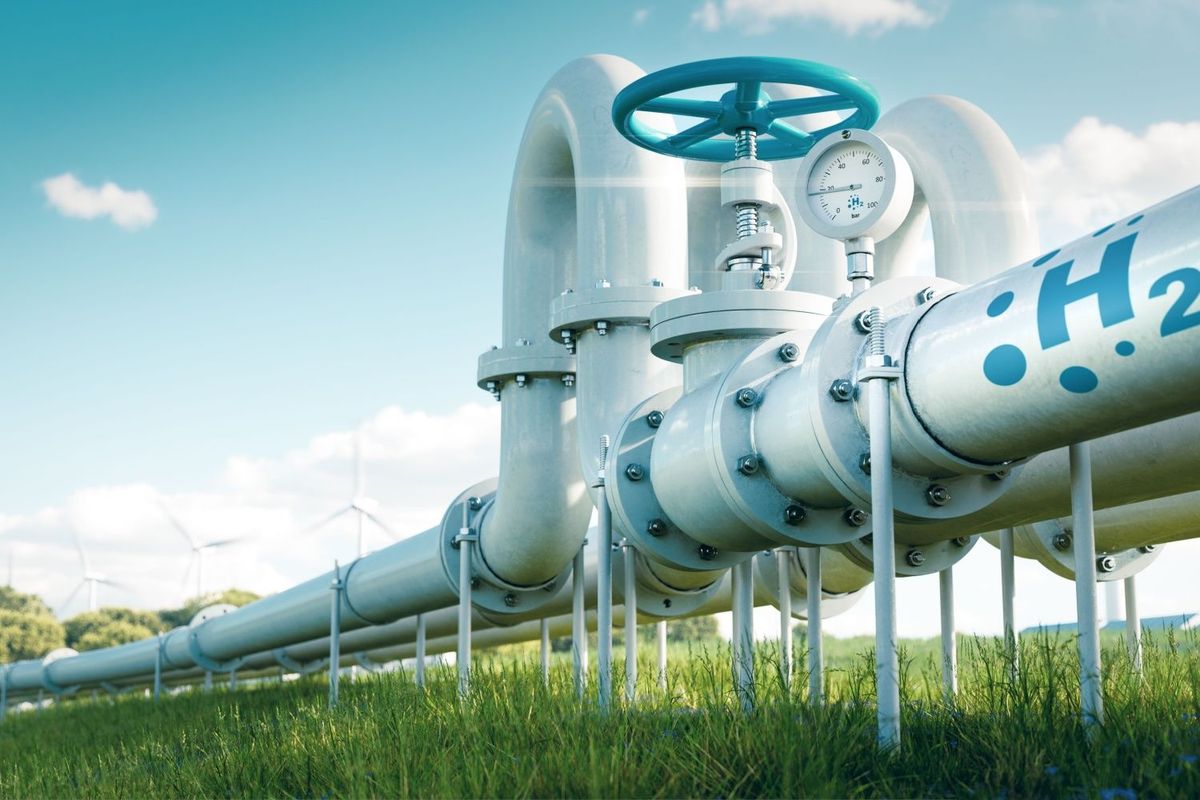
GAIL operates in natural gas transportation and related energy activities. Its infrastructure expertise could become relevant as the hydrogen economy develops, particularly in areas such as gas blending trials, transportation systems, and new energy projects. Existing pipeline expertise may provide useful capabilities, although transporting hydrogen can require technical changes because hydrogen behaves differently from natural gas.
GAIL’s exposure to hydrogen should be assessed alongside its conventional gas business and other operations. Investors can monitor pilot projects, investment commitments, infrastructure compatibility, and regulatory developments. It is important not to assume that all existing natural gas pipelines can transport hydrogen safely or economically without modifications.
These five companies provide different ways to study the sector, but none should be viewed as a guaranteed winner. Market prices, financial performance, and project status can change, so investors should review the latest company disclosures before making decisions.
 Apart from the companies discussed above, investors can research Adani Enterprises, JSW Energy, and Thermax. These businesses have different connections to clean energy, industrial technology, or hydrogen-related development. Their potential benefits will depend on the scale of their investments, project execution, customer demand, and the financial contribution of their hydrogen activities.
It is also important to distinguish between companies that produce renewable electricity, those that manufacture electrolysers, and those that directly produce or consume hydrogen. A renewable energy company may supply electricity to a hydrogen facility without earning significant revenue from hydrogen itself. Similarly, an engineering company may earn construction revenue from a project without owning or operating the completed plant. Understanding these business models can help investors avoid confusing indirect exposure with direct participation in the hydrogen market.
Major Factors That Could Drive Future Growth
One potential growth driver is the declining cost of renewable electricity and hydrogen production equipment. Since electrolysis requires substantial electricity, access to affordable solar and wind power can influence the competitiveness of green hydrogen. Improvements in electrolyser efficiency, manufacturing scale, and plant utilisation may also reduce production costs over time.
Another important factor is industrial demand. Fertilizer manufacturers could use green hydrogen to produce lower-carbon ammonia, while steel producers may explore hydrogen-based production methods. Shipping, refining, and selected heavy transportation applications could provide additional opportunities. Government incentives, long-term purchase agreements, and investment in storage and transportation infrastructure may help establish a commercially viable market. India’s National Green Hydrogen Mission is intended to support several parts of this developing ecosystem.
Despite the long-term potential, the industry faces significant challenges. Green hydrogen can be more expensive to produce than conventional hydrogen, depending on local energy prices, technology, financing costs, and operating conditions. Projects may also require substantial upfront investment before generating revenue. If costs remain high or customers delay purchases, companies could experience lower-than-expected returns.
Technology, regulation, and execution introduce further uncertainty. Hydrogen requires suitable storage, transportation, and safety systems, and not every existing industrial facility can adopt it without modification. Projects can be delayed by permitting issues, equipment shortages, financing constraints, or inadequate infrastructure. Investors should therefore avoid relying entirely on ambitious production targets or promotional announcements when assessing a company’s long-term prospects.
How to Evaluate Green Hydrogen Stocks
Before investing, examine the company’s financial statements, debt, cash flow, valuation, and existing sources of revenue. Determine whether its hydrogen plans involve operational projects, signed customer contracts, facilities under construction, or early-stage announcements. These stages represent different levels of commercial certainty.
Investors should also compare the company’s capital expenditure with its ability to generate cash from existing operations. A business with a strong balance sheet and established revenue may have greater capacity to fund new projects, although that does not automatically make its shares inexpensive or suitable for every portfolio. Diversification, a long-term perspective, and an understanding of personal risk tolerance are essential when considering emerging energy themes.
Future Outlook for the Green Hydrogen Industry
The future of green hydrogen will depend on whether technological improvements, government support, and industrial demand develop together. Countries with strong renewable energy resources may be well positioned to produce hydrogen and hydrogen-derived products competitively. India has opportunities to build domestic manufacturing capacity, reduce dependence on imported fossil fuels, and develop new industrial supply chains.
However, the transition is unlikely to happen uniformly across every industry. Some applications may become commercially viable sooner than others, while particular projects could be postponed or cancelled. Investors who monitor actual production, signed purchase agreements, operating costs, and financial results will be better equipped to distinguish meaningful progress from expectations that have yet to become reality.
Conclusion
Green hydrogen represents an emerging opportunity within the broader clean energy transition. Companies such as Reliance Industries, Larsen & Toubro, NTPC, Indian Oil Corporation, and GAIL provide different forms of exposure through energy production, engineering, refining, and infrastructure. Each has its own business model, financial strengths, and risks.
The long-term outlook for green hydrogen stocks will depend on lower production costs, dependable demand, supportive policies, and successful project execution. Investors should evaluate company fundamentals and valuations carefully rather than purchasing shares simply because hydrogen is an emerging technology. Thorough research and a diversified investment approach can help investors make more informed decisions while navigating this developing industry.
Disclaimer: This article is for educational purposes only and is not financial advice or a recommendation to buy or sell any stock. Investments in equities involve market risk.