

Introduction
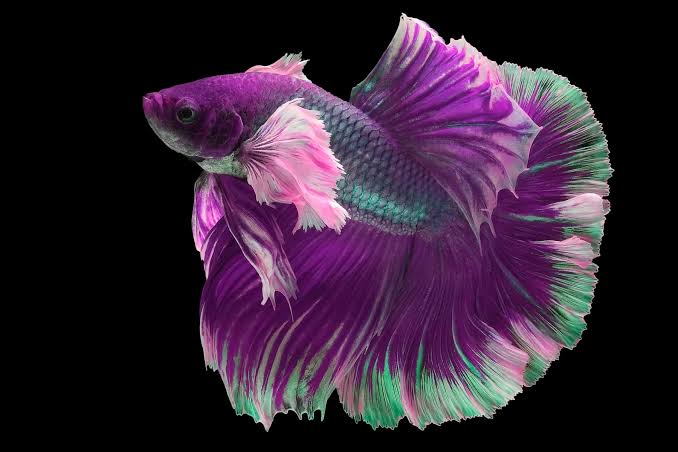
Betta fish are among the most popular freshwater aquarium pets because of their colorful appearance, flowing fins, and interesting personalities. Although they are often considered easy to care for, providing the right living environment is essential for their long-term health. One of the most important factors in maintaining a healthy betta aquarium is water temperature. Since bettas are tropical fish, they need consistently warm water to support their metabolism, digestion, immune system, and everyday activities.
Understanding the ideal temp for betta fish helps aquarium owners create an environment that closely matches their natural habitat. Water that becomes too cold can make a betta sluggish, reduce its appetite, and increase its vulnerability to illness. On the other hand, excessively warm water can lower available oxygen and place unnecessary stress on the fish. Maintaining a stable temperature is therefore just as important as feeding, filtration, and regular aquarium maintenance.
This guide explains the recommended temperature range, the importance of stable water conditions, the role of aquarium heaters, common temperature-related problems, and practical ways to keep betta fish comfortable throughout the year.
What Is the Ideal Temperature for Betta Fish?
Betta fish, scientifically known as Betta splendens, originate from warm freshwater environments in Southeast Asia. Their natural habitats include shallow streams, rice paddies, ponds, and slow-moving waterways. These environments generally provide warmer water conditions than those found in many indoor aquariums without heating equipment.
For most healthy adult bettas, a water temperature between 76°F and 82°F (24.5°C to 28°C) is generally recommended. A consistent temperature around 78°F to 80°F (25.5°C to 26.5°C) is a practical target for many home aquariums. This range supports normal activity, digestion, and general well-being.
When researching the ideal temp for betta fish, aquarium owners should understand that consistency matters more than constantly adjusting the temperature to reach an exact number. Small, gradual variations may occur naturally, but sudden changes can cause stress. A reliable aquarium thermometer makes it easier to monitor conditions and identify problems before they affect the fish.
Why Temperature Is Important for Betta Fish
Water temperature affects almost every biological process in a betta’s body. Unlike mammals, fish cannot maintain a constant internal body temperature independently of their surroundings. Their body functions are influenced by the temperature of the water in which they live.
When the water is comfortably warm, bettas can swim normally, explore their surroundings, respond to feeding, and maintain healthy digestion. Their metabolism works more efficiently within an appropriate temperature range. This allows them to process food and use energy effectively.
When aquarium water becomes too cold, metabolic activity slows down. The fish may become less active, spend more time resting, and show reduced interest in food. Extremely warm water can also create problems because warmer water holds less dissolved oxygen. This can make breathing more difficult, particularly in an overcrowded or poorly maintained aquarium.
Maintaining a suitable temperature is therefore not simply about comfort. It is an important part of protecting the fish’s overall health and supporting its natural behavior.
Understanding the Effects of Cold Water
Cold water is one of the most common environmental problems experienced by betta fish kept in homes without aquarium heaters. Room temperatures can change considerably during the night, winter months, or periods of cold weather. These fluctuations can make an aquarium uncomfortable even when the room itself feels reasonably warm.
When water becomes too cold, bettas may start swimming slowly or remain near the bottom of the aquarium. Their appetite can decrease, and they may become less responsive when their owners approach the tank. Some fish may also appear to have difficulty maintaining their usual swimming patterns.
Long-term exposure to unsuitable cold conditions can weaken normal immune function and increase susceptibility to infections and other health problems. However, cold-related symptoms can resemble those of several illnesses, so temperature should not automatically be assumed to be the only cause.
If the water is colder than recommended, gradually bring it back into the appropriate range using a properly adjusted aquarium heater. Avoid adding hot water directly or placing the aquarium near a radiator because sudden temperature changes can cause additional stress.
What Happens When Aquarium Water Gets Too Hot?
Although bettas require warm water, excessively high temperatures can be just as problematic as cold conditions. When aquarium water becomes too warm, fish metabolism increases. This can raise oxygen demand while the amount of dissolved oxygen available in the water decreases.
A betta living in overheated water may swim restlessly, breathe more rapidly, or spend unusual amounts of time near the surface. Other possible signs include reduced appetite, unusual activity, and difficulty resting comfortably.
Prolonged exposure to excessive heat can place considerable pressure on the fish’s body. It may also encourage faster growth of certain microorganisms and contribute to declining water quality when aquarium maintenance is inadequate.
If the water becomes too warm, avoid placing ice cubes directly into the aquarium. Instead, reduce nearby heat sources, improve room ventilation, and make gradual adjustments. Monitor the temperature using a reliable thermometer and ensure that any changes happen slowly.
The ideal temp for betta fish should always be maintained within a safe and consistent range rather than allowing the aquarium to become unusually hot during warm weather.
Choosing the Right Aquarium Heater
An aquarium heater is one of the most useful pieces of equipment for maintaining a suitable environment for betta fish. Since indoor room temperatures are not always consistent, relying on natural room warmth can create unnecessary risks.
Adjustable heaters allow aquarium owners to select a preferred temperature and maintain it automatically. When choosing a heater, consider the aquarium’s water capacity, room temperature, and the manufacturer’s recommended wattage.
For smaller aquariums, low-wattage heaters may be appropriate, while larger tanks generally require more powerful equipment. Always select a heater designed for aquarium use rather than using household heating devices.
A heater with an automatic thermostat is particularly useful because it switches on and off according to the water temperature. Some models also include built-in temperature displays, although a separate thermometer is still recommended for independent monitoring.
Before purchasing a heater, check that it is suitable for the size of your aquarium. A heater that is too powerful for a small tank may cause unwanted temperature fluctuations, while an undersized model may struggle to maintain warmth in a colder room.
How to Monitor Aquarium Temperature Correctly

Monitoring water temperature regularly helps prevent environmental problems before they become serious. Even an aquarium with a heater can experience unexpected changes because of equipment failure, incorrect settings, or changes in room conditions.
A separate aquarium thermometer provides a simple way to check the actual water temperature. Digital thermometers are popular because they are easy to read, while traditional glass thermometers can also provide useful measurements when properly installed.
Place the thermometer where it can provide a representative reading of the aquarium water. Avoid positioning it directly against the heater because this may produce a misleading measurement. For larger aquariums, checking different areas can help identify temperature differences.
Developing a daily monitoring routine is helpful. Check the reading at approximately the same time each day and pay attention to unusual changes. During particularly cold or hot weather, checking the temperature more frequently may be beneficial.
A reliable thermometer also helps you confirm whether the heater is functioning correctly instead of depending entirely on its built-in settings.
Does Aquarium Size Affect Water Temperature?
Aquarium size has an important influence on temperature stability. Smaller tanks generally contain less water, which means their temperature can change more quickly in response to surrounding conditions.
For example, a small desktop aquarium may become colder overnight when the room temperature drops. It may also warm up rapidly when placed near a sunny window. These changes can create an unstable environment for betta fish.
Larger aquariums usually have greater thermal stability because they contain more water. Although they still require appropriate heating and monitoring, their temperatures often change more gradually than those of very small containers.
A properly sized aquarium also provides additional swimming space and makes it easier to maintain consistent water quality. A heated, filtered aquarium of around five gallons or larger is a commonly recommended starting point for a single betta.
Tank size should therefore be considered alongside heating equipment, filtration, and regular cleaning when planning a suitable habitat.
Temperature Requirements During Different Seasons
Seasonal weather changes can affect aquarium conditions, particularly when indoor heating and cooling systems are not used consistently. Betta owners should adjust their monitoring habits according to the weather while keeping the aquarium temperature within its recommended range.
Winter Temperature Management
During winter, room temperatures may fall significantly, especially at night. An aquarium without a heater can gradually become too cold even when the fish appears comfortable during the day.
Using an adjustable heater is generally the most dependable solution. Keep the aquarium away from cold windows, exterior doors, and direct drafts. A properly fitted aquarium lid can also help reduce heat loss and prevent the fish from jumping out.
Summer Temperature Management
Summer creates the opposite challenge. Warm indoor conditions, direct sunlight, and inadequate ventilation can cause aquarium temperatures to rise above the recommended range.
Keep the aquarium away from windows receiving direct sunlight and avoid placing it near heat-producing appliances. If necessary, use a room fan or aquarium cooling equipment to help control excessive warmth.
Spring and Autumn Conditions
Spring and autumn often bring unpredictable temperature changes. Indoor conditions may vary between warm afternoons and cool nights.
During these periods, continue checking the aquarium regularly. A reliable thermostat-controlled heater can help prevent unnecessary fluctuations when outdoor temperatures change.
Signs That Your Betta Is Experiencing Temperature Stress
Betta fish cannot communicate discomfort directly, but their behavior can provide useful information about their environment. Learning to recognize unusual activity helps aquarium owners identify potential problems.
Some common warning signs include:
-
Reduced activity: The fish spends more time resting and shows less interest in exploring.
-
Loss of appetite: It refuses food or eats less than usual.
-
Rapid breathing: The gill movements appear faster than normal.
-
Unusual swimming: The fish becomes restless, swims awkwardly, or struggles to maintain its normal position.
-
Surface breathing: The fish spends more time near the surface than usual.
It is important to remember that these symptoms are not exclusive to temperature problems. Poor water quality, ammonia exposure, infections, and other health conditions can produce similar behavior.
If unusual symptoms continue after correcting the temperature, test the aquarium water and consider consulting an aquatic veterinarian.
How to Change Betta Aquarium Temperature Safely
Temperature adjustments should always be gradual. Rapid changes can place additional stress on a betta’s body and make an already uncomfortable situation worse.
If the water is too cold, use an adjustable aquarium heater to increase the temperature slowly. Follow the heater manufacturer’s instructions and monitor the thermometer throughout the adjustment.
If the water is too warm, first identify the source of excess heat. Move the aquarium away from direct sunlight or nearby appliances, improve room ventilation, and use suitable aquarium cooling equipment if necessary.
Avoid making sudden changes by adding boiling water, ice cubes, or large quantities of water at a dramatically different temperature. These methods can create localized temperature differences that are dangerous for fish.
The ideal temp for betta fish should be restored through controlled adjustments rather than quick fixes. Once the desired range is reached, allow the heater or cooling equipment to maintain stable conditions.
The Relationship Between Temperature and Water Quality
Temperature management is closely connected to overall aquarium water quality. Even when the temperature is appropriate, poor water conditions can affect a betta’s health.
Warmer water generally contains less dissolved oxygen than cooler water. This makes adequate water circulation and good aquarium maintenance particularly important. Bettas possess a labyrinth organ that allows them to breathe atmospheric air, but they still benefit from clean, oxygenated water.
Ammonia and nitrite are especially dangerous to fish, even at relatively low concentrations. A properly cycled aquarium should maintain zero detectable ammonia and nitrite. Nitrate should also be controlled through regular partial water changes and appropriate filtration.
A gentle filter helps maintain stable water conditions without creating excessively strong currents. Bettas generally prefer calm environments because their long fins can make swimming against powerful water movement difficult.
Temperature, filtration, water chemistry, and cleanliness should all be managed together rather than treated as separate responsibilities.
Common Temperature Management Mistakes to Avoid
Even experienced aquarium owners can make mistakes when managing betta habitats. Understanding these problems can help prevent unnecessary stress and maintain a healthier aquarium.
One common mistake is assuming that room temperature is always suitable for tropical fish. Indoor temperatures may feel comfortable to people while aquarium water remains too cold for bettas.
Another mistake is relying entirely on a heater’s built-in temperature display. Equipment can become inaccurate or malfunction, so using a separate thermometer is a sensible precaution.
Some owners also place aquariums near windows because natural light makes the tank look attractive. However, direct sunlight can cause unexpected heating and encourage excessive algae growth.
Other mistakes include using oversized heaters without checking compatibility, making sudden temperature adjustments, and ignoring small changes in fish behavior.
Avoiding these habits helps create a more predictable environment. Regular observation, suitable equipment, and consistent maintenance are more effective than making frequent unnecessary adjustments.
Best Aquarium Setup for Maintaining Stable Temperature
A comfortable aquarium environment requires more than a heater. Several pieces of equipment work together to maintain stable conditions and support the natural behavior of betta fish.
A suitable setup should include an appropriately sized aquarium, an adjustable heater, a reliable thermometer, and a gentle filtration system. Live or artificial aquarium plants can also provide resting areas and hiding places.
A secure lid is recommended because bettas are capable jumpers. It also helps reduce evaporation and limit heat loss from the water surface.
The aquarium should be placed on a stable surface away from direct sunlight, heating vents, air conditioners, and frequently opened exterior doors. These precautions reduce the effects of sudden environmental changes.
Live plants can improve the appearance of the aquarium and provide additional environmental enrichment. However, they should not replace proper filtration, water testing, or regular maintenance.
By combining suitable equipment with responsible care, aquarium owners can create a stable environment that supports healthy and active betta fish.
Frequently Asked Questions About Betta Fish Temperature
1. What is the best temperature for betta fish?
A temperature between 76°F and 82°F (24.5°C to 28°C) is generally suitable for most healthy adult bettas. Many aquarium owners aim for approximately 78°F to 80°F (25.5°C to 26.5°C) because it provides a comfortable environment for normal activity and digestion.
2. Can betta fish survive without an aquarium heater?
Bettas may survive without a heater when the surrounding room naturally maintains suitable water temperatures. However, room temperatures can fluctuate throughout the day and night. An adjustable aquarium heater is generally recommended to provide more consistent conditions.
3. Is 82°F too hot for a betta fish?
A temperature of 82°F is generally within the upper end of the recommended range. However, maintaining the aquarium at this temperature requires proper monitoring and good water quality. Consistently higher temperatures can increase stress and reduce available dissolved oxygen.
4. What happens if betta water gets too cold?
Cold water can slow a betta’s metabolism and reduce its activity. The fish may become less interested in food, spend more time resting, and become more vulnerable to health problems. Gradually restoring the water to a suitable temperature is important.
5. Do betta fish need warm water at night?
Yes. Betta fish require suitable water temperatures throughout the night as well as during the day. An aquarium heater with a reliable thermostat helps prevent nighttime temperature drops and maintains more consistent conditions.
6. How can I check whether my betta aquarium is too warm?
Use a reliable aquarium thermometer to measure the actual water temperature. Unusual restlessness, rapid breathing, and increased surface activity may indicate stress, although these symptoms can also result from poor water quality or illness.
Conclusion
Maintaining a healthy aquarium environment is one of the most important responsibilities of owning a betta fish. Since these tropical fish depend on their surrounding water conditions, temperature directly influences their metabolism, digestion, activity, and overall well-being. Providing consistent warmth helps them remain comfortable and supports their natural behavior.
The recommended temperature range of 76°F to 82°F gives aquarium owners a practical guideline, while maintaining approximately 78°F to 80°F is a suitable target for many home aquariums. Using an adjustable heater, monitoring water conditions with a reliable thermometer, and avoiding sudden temperature changes can make a significant difference.
Understanding the ideal temp for betta fish also means recognizing that temperature is only one part of responsible aquarium care. Clean water, appropriate filtration, sufficient swimming space, balanced feeding, and regular observation are equally important. With suitable equipment and consistent attention, betta owners can create a comfortable and stable habitat where their fish can remain active, healthy, and thrive over time.