

Introduction
Dog reproduction is a natural biological process, but it can sometimes surprise pet owners who have never witnessed dogs mating. One of the most commonly asked questions is how long do dogs get stuck together during mating and why they sometimes remain connected even after the mating process appears to be finished. This behavior is known as a copulatory tie, and it is a normal part of canine reproduction.
When two dogs mate, their bodies go through several physical changes that allow the reproductive process to take place. During this time, the male and female may remain connected for a period ranging from a few minutes to approximately 30 minutes, although the duration can vary. Understanding this process helps owners avoid unnecessary panic and prevent accidental injuries.
Whether you are a first-time dog owner, a breeder, or simply curious about canine behavior, learning about mating, the biological reasons behind the tie, and appropriate safety precautions can help you understand what is happening.
How Long Do Dogs Get Stuck Together During Mating?
Dogs typically remain physically connected for around 5 to 30 minutes during mating. However, the duration is not exactly the same for every pair. Some dogs separate within a few minutes, while others may remain connected for 20 minutes or longer. Occasionally, the process can last beyond 30 minutes.
This temporary connection is called a copulatory tie. It occurs because a structure in the male dog’s reproductive system becomes enlarged inside the female reproductive tract. At the same time, muscles in the female dog’s reproductive system contract around it, creating a temporary connection between the animals.
During this period, dogs may stand facing opposite directions or position themselves back-to-back. Although the position can look uncomfortable or unusual, it is generally a normal part of reproduction. Owners should remain calm and allow the animals to separate naturally rather than attempting to interrupt the process.
What Is a Copulatory Tie in Dogs?
A copulatory tie is a natural reproductive mechanism that occurs during canine mating. It happens when the male dog’s bulbus glandis, a specialized structure located near the base of the penis, becomes enlarged during intercourse. This enlargement helps create a temporary connection between the male and female dogs.
The female dog’s vaginal muscles also contract around the enlarged structure. Together, these physical changes keep the dogs connected for a limited period. This is not the result of the animals becoming physically trapped or injured.
The copulatory tie plays a role in the reproductive process by allowing semen to be deposited and helping maintain contact during ejaculation. However, it is important to understand that a tie does not guarantee pregnancy. Fertilization depends on several factors, including the female’s reproductive cycle, the quality of the sperm, and the timing of mating.
Why Do Dogs Get Stuck Together After Mating?
The main reason dogs become temporarily connected is the enlargement of the male dog’s bulbus glandis. During mating, blood flows into this structure, causing it to increase in size. Meanwhile, the female dog’s vaginal muscles tighten around it.
This combination creates a natural locking mechanism. It is part of canine reproductive anatomy and is not usually a sign of distress or a medical emergency.
The connection allows the mating process to continue through different stages of ejaculation. It also helps maintain reproductive contact between the animals. Unlike some other mammals, dogs have a reproductive structure that naturally produces this temporary tie.
Owners should remember that this behavior is not something dogs can immediately control. Even if the animals appear confused or restless, the connection generally resolves when the swelling decreases and the surrounding muscles relax.
What Happens During the Dog Mating Process?
Dog mating involves several stages, beginning with courtship and ending with the natural separation of the animals. Each stage has a biological purpose and contributes to successful reproduction.
1. Courtship and Initial Interest
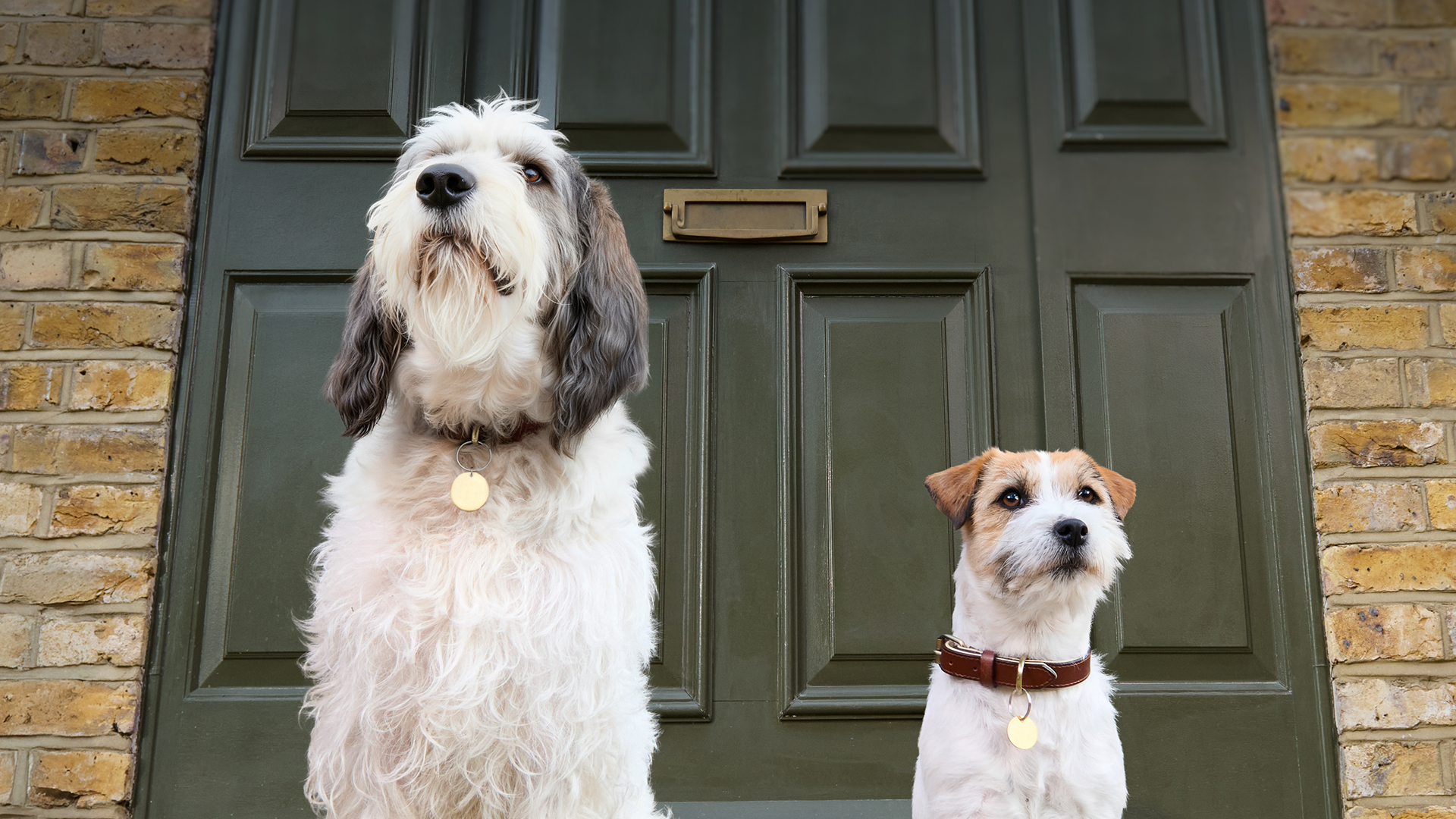
Before mating begins, male and female dogs often display specific behaviors that indicate reproductive interest. They may sniff each other, follow one another, and show changes in body language. The male dog may become more interested when the female releases reproductive hormones and scent signals.
The female dog must generally be in the appropriate stage of her heat cycle to be receptive to mating. During this period, she may move her tail to one side and allow the male to approach. These behaviors help the dogs recognize whether mating is possible.
2. Mounting and Penetration
Once the female accepts the male, mounting may occur. The male dog positions himself behind the female and attempts to achieve penetration. This stage can take different amounts of time depending on the dogs’ experience, physical condition, and behavior.
Not every mounting attempt results in successful mating. Some dogs may need several attempts, while others may complete the process more quickly. Owners should avoid physically forcing dogs into mating positions because doing so can cause stress or injury.
3. Ejaculation and Formation of the Tie
After penetration, the male dog experiences different stages of ejaculation. The bulbus glandis becomes enlarged, and the female’s vaginal muscles contract around it. This is when the copulatory tie develops.
At this stage, owners may wonder how long do dogs get stuck together because the animals can remain connected even after their initial mating movements stop. The male may eventually turn around, leaving both dogs positioned back-to-back while they remain connected.
4. Natural Separation
The final stage occurs when the swelling in the male dog’s reproductive structure decreases and the female’s muscles relax. The animals then separate naturally.
This process usually happens without assistance. Once separation occurs, both dogs may behave normally, although they might spend some time resting or grooming themselves.
Why Do Dogs Turn Around and Face Opposite Directions?
One of the most unusual things owners notice during canine mating is that the dogs sometimes turn around and stand with their backs facing each other. This position is commonly called the mating tie position.
The male dog may move one of his hind legs over the female and rotate his body until the two animals face opposite directions. Although this can look uncomfortable, it is a natural adjustment that allows them to remain connected during the copulatory tie.
The position does not mean that something has gone wrong. Both dogs can usually stand or move slightly while remaining connected. However, sudden movements, pulling, or attempts to escape can create unnecessary strain.
Owners should give the dogs enough space and avoid touching or repositioning them unless a veterinarian provides specific instructions.
Should You Separate Dogs When They Are Stuck Together?
No. Owners should never attempt to force two dogs apart during a normal copulatory tie. Trying to separate them manually can cause serious injuries to both animals.
The enlarged bulbus glandis and contracted vaginal muscles create a temporary connection. Pulling the dogs apart can damage sensitive reproductive tissues, cause bleeding, and create considerable pain.
Even if the dogs appear uncomfortable, the safest approach is to remain calm and allow the process to finish naturally. Avoid shouting, pouring water on them, pulling their collars, or trying to move their bodies in opposite directions.
If either dog appears severely distressed, experiences significant bleeding, collapses, or remains connected for an unusually long period, contact a veterinarian for professional guidance. Never assume that manually separating the animals is a safe solution.
Is It Normal for Dogs to Stay Stuck Together for 30 Minutes?
Yes, remaining connected for approximately 30 minutes can fall within the normal range of canine mating behavior. The exact duration depends on individual anatomy, physical condition, reproductive timing, and other biological factors.
Some dogs separate much sooner, while others may remain connected for a longer period. There is no exact duration that applies to every mating event.
However, if the dogs remain connected considerably longer than expected, especially if either animal shows signs of pain or injury, it is sensible to contact a veterinarian. A veterinary professional can determine whether the situation requires attention.
The most important thing is to avoid unnecessary interference. A normal copulatory tie resolves naturally, and attempting to speed up the process can create more problems than it solves.
Can Dogs Get Hurt While Stuck Together?

Under normal circumstances, a copulatory tie should not cause serious harm. It is a natural reproductive process that dogs are biologically equipped to experience. However, injuries can occur if the animals panic, struggle excessively, or are physically separated by someone.
Potential problems include:
-
Reproductive tissue injuries: Pulling the dogs apart can damage sensitive tissues.
-
Bleeding: Excessive movement or physical trauma may cause bleeding.
-
Pain and discomfort: Sudden movements can place unnecessary pressure on reproductive structures.
-
Stress: Loud noises, unfamiliar surroundings, and human interference can frighten the animals.
-
Physical strain: Struggling to move away while connected may cause discomfort or injury.
Providing a quiet and safe environment is one of the simplest ways to reduce these risks. Owners should observe the dogs without disturbing them and seek veterinary assistance if unusual symptoms appear.
Does Getting Stuck Together Mean the Female Dog Is Pregnant?
No. A copulatory tie does not automatically mean that the female dog will become pregnant. Although it is associated with normal canine reproduction, pregnancy depends on successful fertilization.
Several factors influence whether pregnancy occurs. These include the female dog’s fertility, the timing of mating in relation to ovulation, the male dog’s sperm quality, and the overall reproductive health of both animals.
A female dog may become pregnant even if a noticeable tie does not occur. Similarly, dogs may experience a normal tie without producing a pregnancy.
If an accidental mating has occurred and pregnancy is not desired, contact a veterinarian as soon as possible. A veterinarian can explain the available options, their timing, and any potential risks.
Pregnancy can generally be confirmed through veterinary testing, including ultrasound at an appropriate stage. Owners should not rely on the presence or absence of a copulatory tie to determine pregnancy.
What Should Dog Owners Do During the Mating Tie?
The best response is to remain calm and provide a safe environment. Although seeing dogs connected for several minutes can be surprising, understanding the biology behind the process makes it easier to respond appropriately.
Here are some practical precautions:
1. Keep the surroundings quiet: Avoid loud noises, sudden movements, or unnecessary distractions that could make the dogs panic.
2. Do not pull them apart: Allow the reproductive structures to return to their normal condition naturally.
3. Prevent unnecessary movement: Keep other pets and people away so the connected dogs are not disturbed.
4. Observe their behavior: Watch for signs of severe pain, unusual bleeding, collapse, or extreme distress.
5. Contact a veterinarian when necessary: If something appears abnormal or the tie lasts much longer than expected, professional advice is the safest option.
Responsible supervision helps protect both animals and reduces the possibility of injuries during mating.
How Often Can Dogs Experience a Mating Tie?
Dogs can experience a copulatory tie more than once during a female’s heat cycle. If a male and female are allowed to mate repeatedly, they may go through the same biological process on different occasions.
However, repeated mating does not necessarily increase the chances of pregnancy indefinitely. Reproductive timing, fertility, and individual health are more important factors.
Responsible breeding requires planning rather than simply allowing dogs to mate whenever they show interest. Breeders should consider genetic health, inherited conditions, temperament, age, and veterinary recommendations before deciding to produce a litter.
For pet owners who do not intend to breed their dogs, discussing spaying or neutering with a veterinarian can help prevent unwanted pregnancies and support long-term reproductive health.
Do All Dogs Get Stuck Together During Mating?
Not every mating event results in a noticeable copulatory tie. Although it is a common feature of canine reproduction, the duration and appearance can vary between individual dogs.
Some mating attempts may end without a tie, while others may produce a relatively short connection. Differences in reproductive anatomy, experience, timing, and physical conditions can influence what happens.
It is also important to recognize that the absence of a tie does not automatically mean that mating was unsuccessful. Pregnancy may still be possible following mating without a prolonged connection.
Owners should avoid making assumptions about fertility based only on whether the dogs remained connected. If breeding is planned, a veterinarian can provide more reliable guidance about reproductive timing and fertility assessment.
How Is Dog Mating Different From Human Reproduction?
Dog mating differs from human reproduction in several biological ways. One of the most noticeable differences is the copulatory tie, which occurs because of the specialized reproductive anatomy of male and female dogs.
Human reproduction does not involve this type of temporary physical connection. In dogs, the enlargement of the bulbus glandis and contraction of the female reproductive muscles create a natural locking mechanism during intercourse.
Another difference involves the female reproductive cycle. Dogs generally experience heat cycles, during which they become receptive to mating and may become pregnant. Human females have menstrual cycles with different hormonal and reproductive patterns.
Understanding these differences helps explain why canine mating can look unusual to people. It is simply an example of how reproductive systems vary between species.
When Should You Contact a Veterinarian?
Although a normal copulatory tie is generally harmless, certain situations require veterinary attention. Owners should know the warning signs rather than assuming that every mating event will proceed without complications.
Contact a veterinarian if you notice:
-
Severe pain or continuous struggling.
-
Significant bleeding from either dog’s reproductive area.
-
Collapse, weakness, or unusual breathing.
-
Visible injury or swelling that does not resolve.
-
A connection that continues unusually long without signs of natural separation.
If the dogs remain connected for significantly longer than the typical period, call a veterinarian for advice rather than trying to intervene yourself.
Veterinary support is particularly important when the animals are young, inexperienced, physically unwell, or involved in accidental mating. Professional guidance can help prevent complications and protect their reproductive health.
Frequently Asked Questions (FAQs)
1. How long do dogs get stuck together on average?
Dogs commonly remain connected for approximately 5 to 30 minutes during mating. The exact duration varies depending on their anatomy and individual circumstances. Some dogs separate sooner, while others may take longer.
2. Can dogs get stuck together for an hour?
Although the typical tie lasts considerably less than an hour, unusually prolonged connections can occur. If the dogs remain connected for around an hour, contact a veterinarian immediately for guidance. Never attempt to separate them manually.
3. Is it painful for dogs when they are stuck together?
A normal copulatory tie is a natural reproductive process and should not cause significant pain. However, struggling, panic, or forced separation can cause injuries and discomfort.
4. Can a female dog get pregnant without getting stuck?
Yes. Pregnancy is possible even when a noticeable copulatory tie does not occur. The tie is common during mating but is not an absolute requirement for fertilization.
5. Should I leave my dogs alone while they are mating?
You should supervise them from a safe distance without interfering. Keep the surroundings quiet and prevent other animals or people from disturbing them. If you notice signs of injury or severe distress, contact a veterinarian.
6. Does a longer mating tie mean more puppies?
No. The length of the copulatory tie does not determine the number of puppies. Litter size depends on factors such as the female dog’s age, breed, genetics, reproductive health, and the number of eggs successfully fertilized.
Conclusion
Understanding canine reproduction can help dog owners respond confidently when they witness mating for the first time. A copulatory tie is a normal biological process caused by the enlargement of the male dog’s reproductive structure and the contraction of the female’s vaginal muscles.
In most cases, dogs remain connected for approximately 5 to 30 minutes before separating naturally. The duration can vary, and a longer connection does not automatically indicate a problem. However, unusual pain, significant bleeding, or prolonged distress should always be taken seriously.
The most important precaution is to never force two connected dogs apart. Instead, provide a calm environment, observe their behavior, and contact a veterinarian whenever something seems abnormal. With the right understanding and responsible care, owners can protect their pets and make informed decisions about canine reproductive health.