

Introduction
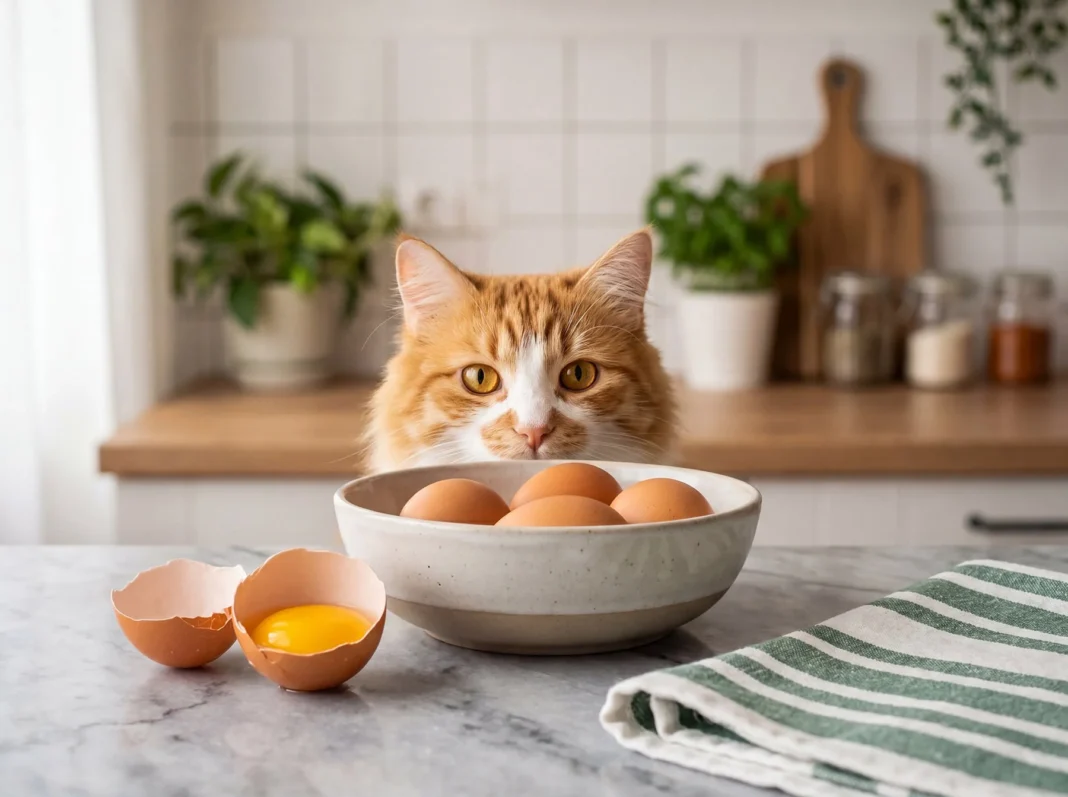
Cats are naturally curious animals, especially when it comes to the food their owners eat. If you enjoy eggs for breakfast, you may have noticed your cat showing interest in a piece of scrambled egg or boiled egg on your plate. This often raises an important question among pet owners: can a cat eat eggs? The simple answer is yes. Cats can eat eggs when they are properly cooked and served in small quantities. Eggs contain several nutrients that can support a cat’s overall health, including high-quality protein, vitamins, and essential minerals.
However, just because eggs are safe for cats does not mean they should become a regular or major part of their diet. Cats have specific nutritional requirements, and their primary food should be a complete and balanced cat diet. Eggs are best considered an occasional treat rather than a replacement for regular meals. Understanding the benefits, possible risks, serving sizes, and preparation methods can help you make a safer feeding decision for your furry companion.
Can a Cat Eat Eggs Safely?
Yes, cats can safely eat eggs when they are fully cooked and served without additional ingredients. Eggs are a source of easily digestible animal protein, which makes them an interesting occasional food option for many cats. Both the egg white and yolk contain nutrients, although their nutritional composition is different. The egg white provides protein, while the yolk contains fats, vitamins, and other important nutrients.
The most important factor is preparation. Fully cooked eggs are generally safer than raw eggs because cooking reduces the risk of harmful bacteria, including Salmonella. Raw egg whites also contain avidin, a protein that can interfere with the absorption of biotin when consumed regularly in sufficient amounts. Therefore, giving your cat raw eggs is not recommended.
If you want to introduce eggs into your cat’s diet, start with a very small amount. Observe your pet for any digestive discomfort or unusual reactions. Every cat is different, and some may enjoy eggs while others may not tolerate them well.
Nutritional Benefits of Eggs for Cats
Eggs contain several nutrients that can contribute to a cat’s health when included in an appropriate diet. They provide complete animal protein, meaning they contain all the essential amino acids required by the body. Protein is particularly important for cats because they are obligate carnivores and depend on animal-based nutrients to maintain their muscles, tissues, and normal body functions.
Egg yolks also contain nutrients such as vitamin A, vitamin D, vitamin E, vitamin B12, selenium, and choline. These nutrients support different processes in the body, including normal metabolism, nervous system function, and immune health. The yolk contains fat, which provides energy but also increases the calorie content of the food.
Although these nutrients are beneficial, eggs alone cannot provide everything a cat needs. Commercial cat foods are carefully formulated to supply essential nutrients in appropriate proportions. Eggs should therefore remain a supplementary treat rather than an important nutritional foundation.
How Eggs Support a Cat’s Muscle Health
Protein plays an essential role in maintaining healthy muscles, and cats require a consistent supply of high-quality animal protein. Eggs contain amino acids that help the body repair tissues, maintain muscle mass, and support normal growth. This makes properly cooked eggs a nutritious occasional snack for cats that tolerate them.
Active cats use protein to maintain their physical strength and support everyday activities such as jumping, running, climbing, and playing. Older cats also need sufficient protein to help preserve muscle condition as they age. However, their overall dietary needs may vary depending on their health and activity levels.
It is important to remember that a complete cat food already provides the protein your pet needs when fed appropriately. Adding eggs does not automatically improve muscle development or make a cat stronger. A balanced diet, suitable exercise, fresh water, and regular veterinary care are much more important for maintaining long-term health.
Can Cats Eat Boiled Eggs?
Boiled eggs are among the simplest ways to prepare eggs for cats. They do not require cooking oil, butter, salt, or seasoning, making them a convenient option for pet owners. Both hard-boiled and fully cooked soft-boiled eggs can be suitable, provided the entire egg is cooked thoroughly. For the safest preparation, hard-boiled eggs are an easy choice.
Before serving, allow the egg to cool completely. Remove the shell and cut the egg into small pieces that your cat can comfortably chew. You can offer a tiny portion on its own or mix a little with your cat’s usual food.
Avoid giving large pieces because they may be difficult for some cats to chew and swallow. You should also avoid adding mayonnaise, sauces, spices, or other ingredients. Plain boiled eggs are the better choice because they reduce unnecessary ingredients and make portion control easier.
Can Cats Eat Scrambled Eggs?
Cats can eat scrambled eggs as long as they are completely cooked and prepared without harmful additions. Scrambled eggs can be soft and easy to break into small portions, which may make them appealing to cats that prefer softer textures. However, the cooking method matters just as much as the ingredients.
When preparing scrambled eggs for your cat, use a clean pan and avoid butter, cooking oil, salt, pepper, cheese, onions, and garlic. These ingredients can introduce unnecessary calories or potentially harmful substances. Cook the egg thoroughly and let it cool before offering a small amount.
Some owners prepare scrambled eggs using milk, but this is unnecessary. Many adult cats have difficulty digesting lactose, which can cause digestive problems such as diarrhea and stomach discomfort. Plain scrambled eggs without milk or seasoning are a much more appropriate occasional treat.
Can Cats Eat Raw Eggs?
Raw eggs are not recommended for cats. Although some people believe that raw animal foods are naturally suitable for carnivores, raw eggs can expose pets to harmful bacteria. Salmonella and other foodborne pathogens may cause illness in cats and can also spread to people through contaminated surfaces or food-handling equipment.
Raw egg whites also contain avidin, which binds to biotin and can interfere with its absorption. Repeated consumption over time may contribute to nutritional problems. Cooking helps reduce this concern by changing the structure of avidin.
Another issue is food safety. Raw eggs can become contaminated during handling, storage, or preparation. Even fresh eggs are not guaranteed to be free from harmful microorganisms. For these reasons, fully cooked eggs are a safer choice.
If you are considering feeding your cat raw foods as part of a broader diet, consult a veterinarian or qualified veterinary nutritionist before making changes.
Can Cats Eat Egg Yolks?
Egg yolks contain several nutrients that cats can benefit from in small quantities. They provide fat, protein, vitamin A, vitamin D, vitamin E, vitamin B12, and choline. These nutrients support different bodily functions, including normal metabolism and nervous system health.
However, egg yolks are also relatively high in calories and fat compared with egg whites. Giving too much yolk may contribute to excessive calorie intake, particularly in indoor cats or pets that are already overweight. Cats that have certain medical conditions may also need carefully controlled dietary fat.
If you offer your cat egg yolk, make sure it is fully cooked and served plain. A small piece is generally sufficient for an occasional treat. There is no need to give your cat an entire yolk.
Can Cats Eat Egg Whites?
Cooked egg whites can be a useful source of protein for cats. They contain protein with very little fat compared with the yolk. Some owners prefer offering a small amount of cooked egg white because it provides protein without adding as much fat.
However, egg whites should always be cooked before serving. Raw egg whites contain avidin, which can interfere with biotin absorption if consumed regularly. Cooking reduces this concern and makes egg whites a safer option.
You can boil an egg and offer a small piece of the white after removing the shell. Alternatively, you can prepare plain scrambled egg whites without butter or seasoning. Although cooked egg whites can be an occasional snack, they should not replace complete cat food.
How Much Egg Can a Cat Eat?
Portion size is important when introducing any human food into a cat’s diet. Even nutritious foods can cause problems when offered in excessive quantities. Eggs contain calories, and feeding too much can disturb the nutritional balance of your cat’s regular meals.
For most healthy adult cats, a small bite or approximately one teaspoon of plain cooked egg is a sensible starting portion. If your cat tolerates it well, you may occasionally offer a little more, depending on its size, health, and total calorie requirements. A whole egg is generally too much for a single treat for many cats.
Veterinary nutrition guidance commonly recommends that treats account for no more than 10% of a cat’s daily calorie intake, with at least 90% coming from complete and balanced food. Since individual calorie requirements vary, consult your veterinarian for an appropriate amount.
Avoid feeding eggs every day simply because your cat enjoys them. Occasional servings are usually a better approach.
Possible Risks of Feeding Eggs to Cats
Although properly cooked eggs can be safe, there are several possible risks that cat owners should understand before introducing them.
1. Digestive Problems
Some cats may experience vomiting, diarrhea, gas, or stomach discomfort after eating eggs. This can happen when a cat is sensitive to a particular food or consumes too much at once. Introducing new foods slowly can help you identify possible reactions.
2. Allergic Reactions
Food allergies are possible in cats, although they are not common. Some cats may develop itching, skin irritation, digestive problems, or other unusual symptoms after eating a particular ingredient. If you suspect an allergy, stop offering eggs and contact your veterinarian.
3. Excessive Calorie Intake
Egg yolks contain fat and calories. Frequent or large servings can contribute to weight gain, particularly when added to an already balanced diet. Maintaining a healthy weight is important for a cat’s mobility and overall well-being.
4. Bacterial Contamination
Raw or undercooked eggs may contain harmful bacteria. These organisms can cause foodborne illness, making proper cooking and hygienic food handling essential.
5. Nutritional Imbalance
Eggs do not provide all the nutrients required by cats in the correct proportions. Replacing regular meals with eggs can result in nutritional deficiencies over time.
How to Prepare Eggs for Your Cat
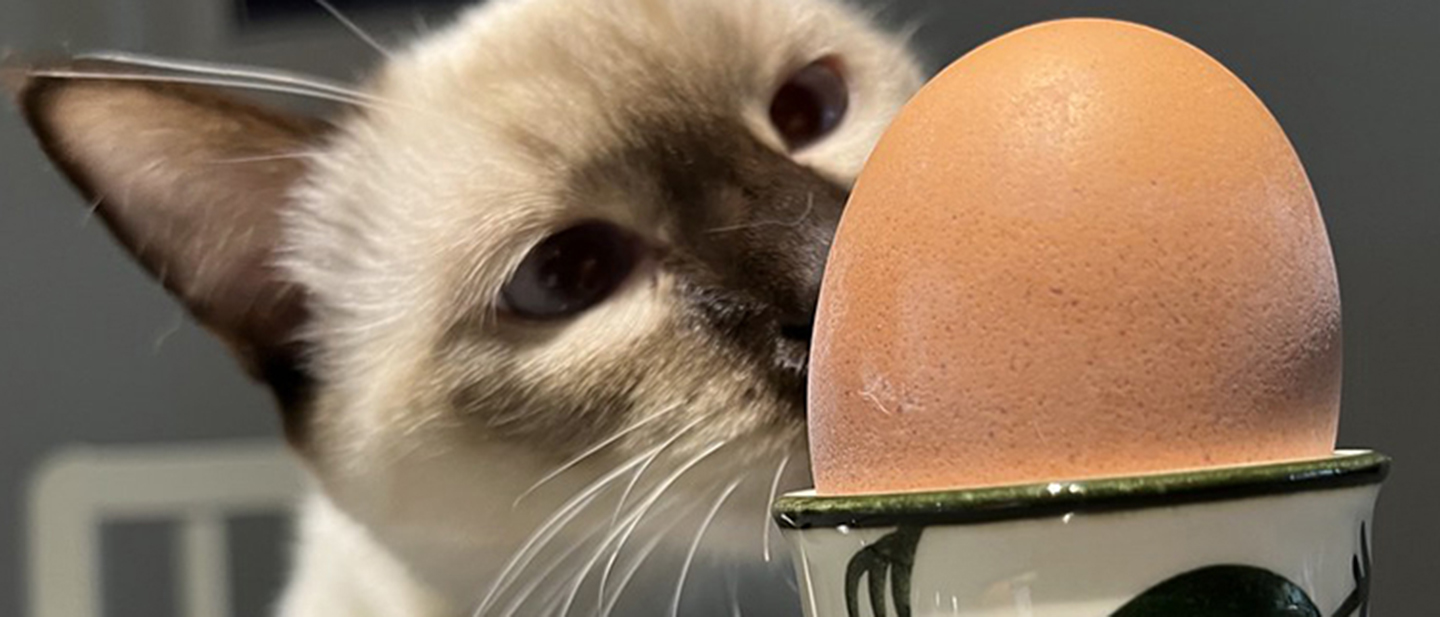
Preparing eggs for your cat does not require complicated recipes. The goal is to provide a small amount of thoroughly cooked egg without unnecessary ingredients.
Follow these simple steps:
-
Choose a fresh egg from a reliable source.
-
Wash your hands and clean the cooking utensils.
-
Boil the egg or prepare it in a clean pan.
-
Cook it completely without adding oil, butter, salt, or spices.
-
Allow the egg to cool before serving.
-
Remove the shell and cut the egg into small pieces.
-
Offer a small portion and observe your cat afterward.
Do not leave cooked eggs sitting at room temperature for extended periods. Remove uneaten portions and refrigerate leftovers promptly in a covered container. As with other perishable foods, follow appropriate food-safety practices and discard anything that has been left out too long.
Can Kittens Eat Eggs?
Kittens can eat small amounts of fully cooked eggs, but they generally have different nutritional needs from adult cats. During their early development, kittens require carefully balanced nutrition to support bone growth, muscle development, brain function, and overall physical development.
A complete kitten food is specifically formulated to provide the nutrients needed during this important stage. Eggs should never replace kitten milk replacer when a very young kitten needs milk, or balanced kitten food once it has started eating solid meals.
If you want to introduce cooked eggs to an older kitten that is already eating solid food, speak with your veterinarian about the appropriate age and portion size. Start with a tiny amount and monitor for digestive reactions.
For very young kittens, it is better to focus on their normal feeding routine rather than experimenting with additional foods.
Can Senior Cats Eat Eggs?
Senior cats may enjoy a small amount of cooked egg as an occasional treat. Eggs contain protein and other nutrients that can contribute to their overall dietary intake. However, older cats may have different nutritional requirements depending on their health and activity levels.
Some senior cats have medical conditions that require specific dietary management. For example, cats with kidney disease, digestive disorders, pancreatitis, or obesity may need carefully selected food portions and nutrient levels.
Before introducing eggs into the diet of an older cat with an existing medical condition, consult a veterinarian. A professional can help determine whether eggs are appropriate and how much can be safely offered.
If your senior cat is healthy and tolerates eggs, a tiny serving of plain cooked egg may be acceptable occasionally. Always prioritize complete senior-appropriate nutrition over additional treats.
What Signs Should You Watch for After Feeding Eggs?
When introducing any new food, it is important to observe your cat’s behavior and physical condition. Most healthy cats will tolerate a small amount of plain cooked egg, but individual reactions can differ.
Watch for symptoms such as vomiting, diarrhea, excessive gas, reduced appetite, unusual tiredness, or changes in normal behavior. Skin-related symptoms, including itching, redness, and excessive grooming, may also indicate a possible food reaction.
If your cat experiences mild digestive discomfort, stop offering eggs and monitor its condition. Contact your veterinarian if symptoms continue or become worse.
Seek urgent veterinary assistance if your cat develops difficulty breathing, facial swelling, collapse, or severe weakness. These signs may indicate a serious reaction or another medical emergency.
Keeping track of new foods and your cat’s reactions can help you understand which treats are suitable for its individual needs.
Can Eggs Replace Regular Cat Food?
No, eggs should never replace a cat’s regular complete and balanced food. Cats need a specific combination of proteins, fats, vitamins, minerals, and amino acids to remain healthy. One particularly important nutrient is taurine, which cats must obtain through their diet.
Although eggs contain valuable nutrients, they do not provide all the essential dietary components in the correct proportions. Feeding eggs as a primary food source could create nutritional deficiencies and affect your cat’s health over time.
Commercial cat food is designed to meet established nutritional requirements for different life stages. Whether you choose wet food, dry food, or an appropriate combination, make sure the product is labelled as complete and balanced for your cat’s life stage.
Treats should complement regular meals rather than replace them. If you want to prepare homemade meals for your cat, consult a veterinary nutritionist to ensure the diet is nutritionally complete.
Common Mistakes to Avoid When Feeding Eggs to Cats
Even when owners have good intentions, some feeding habits can make an otherwise suitable treat unsafe. Avoiding common mistakes can help protect your cat from unnecessary health problems.
One common mistake is offering raw eggs because they seem more natural. Raw eggs carry bacterial risks and contain avidin in their whites. Another mistake is adding salt, butter, cheese, milk, onions, or garlic during preparation. These ingredients are unnecessary, and some can be harmful to cats.
Giving large portions is another problem. Cats have relatively small calorie requirements, so even a small amount of extra food can contribute to weight gain when offered frequently. Owners should also avoid feeding eggs directly from a plate containing sauces, spices, or other mixed ingredients.
Finally, never assume that a food is suitable for every cat simply because another cat enjoys it. Individual health conditions, allergies, age, and dietary requirements should always be considered.
Frequently Asked Questions (FAQs)
1. Can a cat eat eggs every day?
It is generally better not to feed eggs every day. Although cooked eggs contain useful nutrients, they should remain an occasional treat. Daily servings may add unnecessary calories and interfere with the nutritional balance of regular cat food. A small amount offered occasionally is a more suitable approach for most healthy cats.
2. Are boiled eggs better than scrambled eggs for cats?
Both can be suitable when fully cooked and served plain. Boiled eggs are often easier to prepare without additional ingredients. Scrambled eggs are also acceptable if they contain no butter, oil, milk, salt, or seasoning. The most important factor is ensuring that the egg is thoroughly cooked.
3. Can cats eat eggshells?
Eggshells contain calcium, but they are not necessary for cats that eat complete and balanced commercial food. Improperly prepared shells may have sharp edges or create choking and digestive concerns. Do not add eggshell powder or calcium supplements without veterinary guidance because excessive calcium can cause nutritional imbalances.
4. Can eggs help cats gain weight?
Eggs contain calories, protein, and fat, so they can contribute additional energy. However, they are not an ideal weight-gain solution. If your cat is underweight, a veterinarian should identify the underlying reason and recommend an appropriate feeding plan. Unexplained weight loss can indicate an underlying health problem.
5. What should I do if my cat eats a raw egg?
A small accidental amount does not necessarily mean your cat will become sick. However, raw eggs carry a risk of bacterial contamination. Monitor your cat for vomiting, diarrhea, reduced appetite, and unusual tiredness. Contact your veterinarian for advice, particularly if your cat is young, elderly, or medically vulnerable.
6. Can cats eat eggs with salt or spices?
It is best to avoid adding salt and spices to eggs prepared for cats. Some seasonings, particularly onion and garlic, can be toxic to cats. Plain, fully cooked eggs are a much safer option. There is no nutritional need to make eggs more flavorful with human seasonings.
Conclusion
So, can a cat eat eggs? Yes, most healthy cats can enjoy small amounts of fully cooked eggs as an occasional treat. Eggs provide high-quality protein, vitamins, and minerals that can complement an otherwise balanced diet. Boiled and plain scrambled eggs are suitable preparation options when they contain no added salt, butter, milk, oil, or harmful seasonings.
However, raw eggs should be avoided because of bacterial contamination risks and the presence of avidin in raw egg whites. Portion control is equally important because excessive treats can contribute to weight gain and nutritional imbalance. Kittens, senior cats, and pets with existing health conditions may need additional dietary consideration.
Ultimately, your cat’s primary nutrition should always come from complete and balanced cat food. By introducing new foods carefully, choosing safe preparation methods, and consulting a veterinarian when necessary, you can make informed decisions that support your cat’s long-term health and happiness.