

Introduction
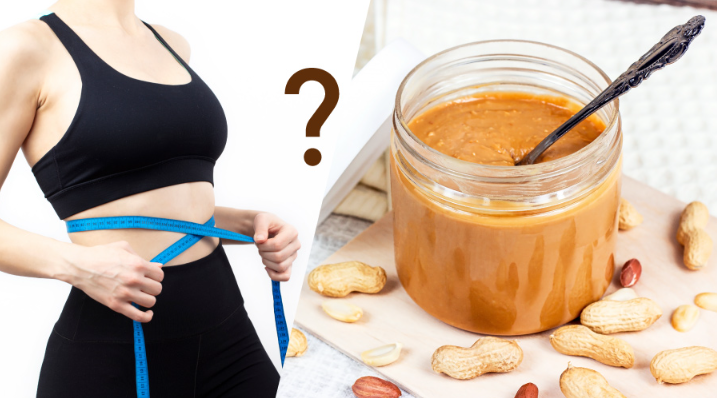
Peanut butter has been a favorite spread for generations. People love its creamy texture, rich taste, and ability to make simple meals more satisfying. From breakfast toast to smoothies and healthy snacks, this pantry staple appears in many diets around the world. Yet when someone starts trying to lose extra body weight, peanut butter often becomes confusing. Some people avoid it because it contains fat and calories, while others believe it can actually support fat loss.
That leads to a very common question: is peanut butter good for weight loss?
The answer depends on how much you eat, the type you choose, and how it fits into your daily routine. Peanut butter is high in healthy fats, protein, and fiber, which can help you stay full for longer periods. At the same time, eating too much can increase calorie intake quickly. Understanding balance is the key.
In this detailed guide, you will learn how peanut butter affects hunger, metabolism, energy levels, and overall nutrition. You will also discover the best ways to include it in a healthy eating plan without slowing your progress.
Nutritional Value of Peanut Butter
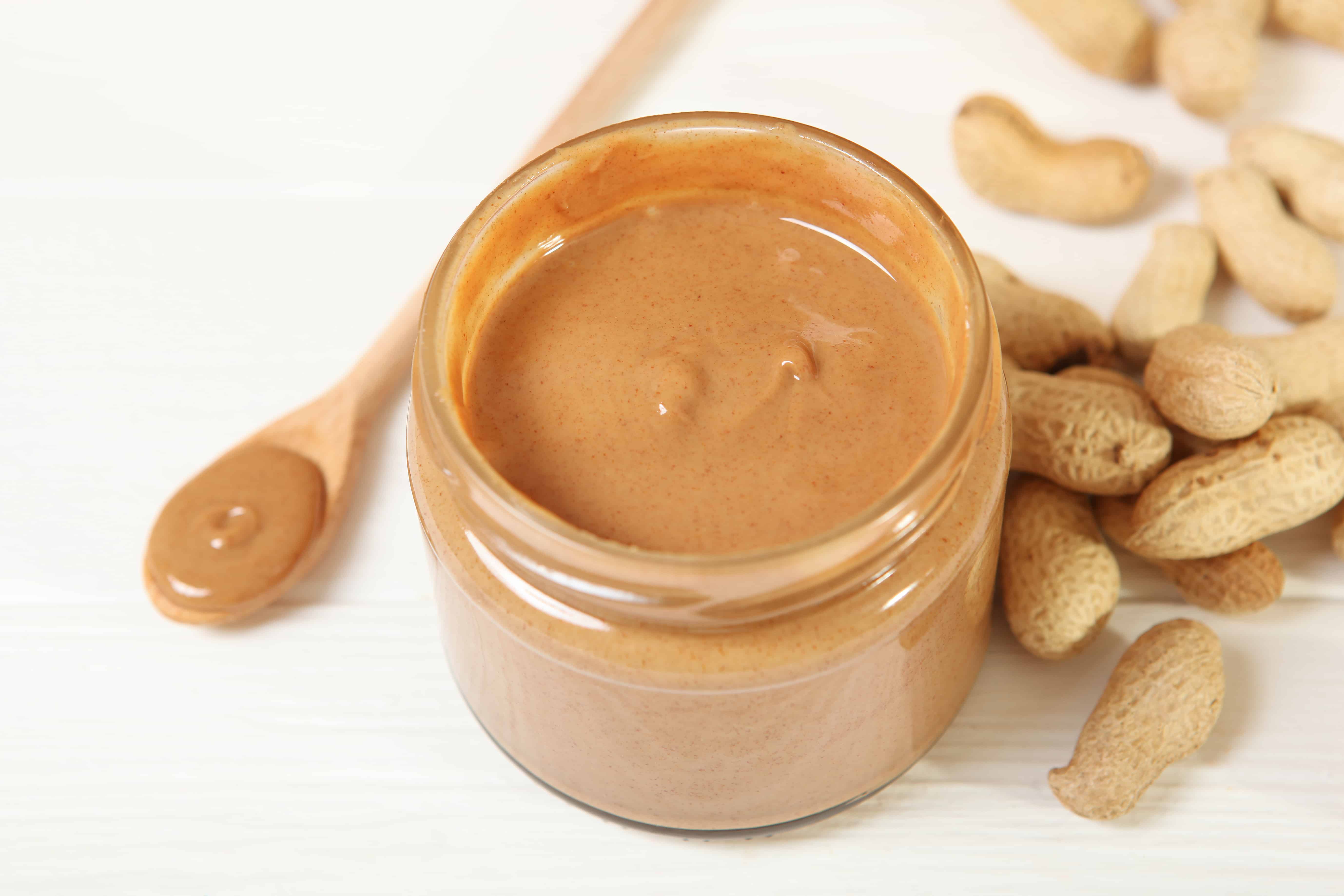
Before deciding whether peanut butter belongs in a healthy diet, it is important to understand what it contains. Peanut butter is made from ground peanuts, and natural versions usually include only peanuts and a little salt.
Here is the average nutrition found in two tablespoons of natural peanut butter:
| Nutrient | Approximate Amount |
|---|---|
| Calories | 180–200 |
| Protein | 7–8 grams |
| Healthy Fat | 16 grams |
| Carbohydrates | 6–7 grams |
| Fiber | 2–3 grams |
| Sugar | 1–2 grams |
| Magnesium | Good source |
| Vitamin E | Good source |
| Potassium | Moderate amount |
These nutrients play an important role in supporting the body. Protein helps maintain muscle, healthy fats improve satisfaction after meals, and fiber supports digestion.
Many people hear the word “fat” and assume the food is unhealthy. However, the fats in peanuts are mostly unsaturated fats, which are considered heart-friendly when eaten in moderation.
Why Peanut Butter Can Support Fat Loss Goals
One reason peanut butter remains popular in fitness and nutrition plans is because it can reduce feelings of hunger. Foods that keep you satisfied may help prevent overeating later in the day.
1. It Keeps You Full Longer
Protein and healthy fats digest more slowly than refined carbohydrates. When you eat peanut butter with whole-grain bread, oats, apples, or bananas, you may feel full for several hours.
This can reduce random snacking and late-night cravings.
2. It Helps Control Appetite
Highly processed snacks often cause quick hunger because they digest fast. Peanut butter has a more balanced nutrient profile. A small serving may help you stay satisfied between meals.
3. It Provides Long-Lasting Energy
People trying to lose weight sometimes cut calories too aggressively and feel tired throughout the day. Peanut butter offers steady energy that may help improve workout performance and daily activity levels.
4. It Supports Muscle Maintenance
When losing weight, preserving muscle mass matters. Protein helps protect lean muscle tissue, especially when combined with exercise.
5. It Fits Into Many Healthy Meals
One of the biggest reasons diets fail is boredom. Peanut butter can be used in smoothies, sauces, oatmeal, yogurt bowls, and healthy desserts, making nutritious eating easier to maintain.
For many people wondering whether peanut butter supports healthy fat loss, the biggest benefit is that it can make healthy eating more enjoyable and sustainable.
The Importance of Portion Control
Even healthy foods can lead to weight gain if eaten in very large amounts. Peanut butter is nutrient-dense, meaning it packs many calories into a small serving.
Two tablespoons are usually considered one serving. Unfortunately, many people eat much more without realizing it.
Visual Guide to Portions
| Portion Size | Calories |
|---|---|
| 1 tablespoon | Around 90–100 |
| 2 tablespoons | Around 180–200 |
| 4 tablespoons | Around 360–400 |
Using measuring spoons instead of estimating can make a big difference.
A spoonful straight from the jar may easily turn into several servings. While peanut butter can support healthy eating habits, balance is essential.
Best Types of Peanut Butter for Healthy Eating
Not every peanut butter product is equally healthy. Some brands contain extra sugar, hydrogenated oils, and unnecessary additives.
Natural Peanut Butter
Natural peanut butter usually contains:
- Peanuts
- Salt
This is often the best option for people focused on balanced nutrition.
Regular Processed Peanut Butter
Some commercial brands add:
- Sugar
- Palm oil
- Hydrogenated oils
- Artificial flavors
These ingredients can increase calories and reduce nutritional quality.
Crunchy vs Creamy
Both are similar nutritionally. The choice mostly depends on personal preference.
Powdered Peanut Butter
Powdered peanut butter contains fewer calories because much of the fat is removed. It can be useful for smoothies or recipes when someone wants the flavor with lower calorie intake.
If you are wondering, is peanut butter good for weight loss, choosing a natural variety without added sugar is usually the smarter option.
How Peanut Butter Affects Cravings
Cravings are one of the biggest challenges during weight loss.
Many restrictive diets remove favorite foods completely. This can make people feel deprived and increase the desire to binge later.
Peanut butter may actually help reduce these feelings because:
- It tastes satisfying
- It contains fat and protein
- It can replace sugary snacks
- It works well in balanced meals
For example, eating apple slices with peanut butter may keep you fuller than eating cookies or chips.
The key is mindful eating. Enjoying small portions can prevent feelings of restriction while still supporting progress.
Healthy Ways to Eat Peanut Butter
Peanut butter becomes more beneficial when paired with nutritious foods.
Peanut Butter With Fruits
Apples, bananas, and pears pair well with peanut butter. The fruit provides fiber and vitamins while the peanut butter adds protein and healthy fats.
Peanut Butter in Smoothies
Adding one tablespoon to a smoothie can improve flavor and make the drink more filling.
Peanut Butter With Oats
Oatmeal and peanut butter create a satisfying breakfast that may help reduce mid-morning hunger.
Peanut Butter on Whole-Grain Toast
Whole grains digest more slowly than white bread, helping support steady energy.
Peanut Butter in Yogurt
Greek yogurt mixed with peanut butter creates a protein-rich snack.
Many people overlook the importance of food combinations. Pairing peanut butter with nutritious ingredients makes a major difference.
Common Mistakes People Make
Although peanut butter can fit into a balanced diet, some habits may slow progress.
Eating Too Much
Because peanut butter tastes rich and satisfying, it is easy to overeat.
Choosing Sugary Brands
Some flavored versions contain large amounts of sugar.
Pairing It With Processed Foods
Peanut butter with candy, pastries, or sugary snacks increases calorie intake quickly.
Ignoring Total Daily Calories
Even healthy foods contribute calories. Weight loss still depends on maintaining an appropriate calorie balance.
Using It as a “Health Halo” Food
Some people assume they can eat unlimited amounts because it is considered healthy. Moderation still matters.
Peanut Butter and Exercise
Exercise and nutrition work best together.
Peanut butter can support active lifestyles because it provides lasting energy and nutrients that help recovery.
Before a Workout
A small amount of peanut butter with toast or banana slices may provide steady energy.
After a Workout
Pairing peanut butter with protein-rich foods can support muscle recovery.
For Athletes
Athletes sometimes need more calories and protein than less active people. Peanut butter can help meet those nutritional needs conveniently.
This is another reason many nutrition experts support moderate peanut butter intake during healthy fat loss plans.
Peanut Butter vs Other Spreads
People often compare peanut butter with butter, chocolate spreads, or cream cheese.
Here is a simple comparison:
| Spread | Protein | Healthy Fat | Added Sugar | Overall Nutrition |
|---|---|---|---|---|
| Natural Peanut Butter | High | High | Low | Excellent |
| Chocolate Spread | Low | Moderate | Very High | Less Healthy |
| Butter | Very Low | High | None | Limited Protein |
| Cream Cheese | Low | Moderate | Low | Less Filling |
Peanut butter generally offers more protein and satiety compared to many common spreads.
Can Peanut Butter Slow Weight Loss?

In some situations, yes.
Even nutritious foods can become a problem when portion sizes are ignored.
For example:
- Eating several large spoonfuls daily
- Adding it to high-calorie desserts
- Using sugary peanut butter products
- Snacking mindlessly while watching television
These habits can increase total calorie intake significantly.
However, moderate portions within a balanced diet are less likely to create problems.
The real issue is not peanut butter itself but overall eating patterns.
Best Time to Eat Peanut Butter
There is no single perfect time to eat peanut butter, but some moments may work better depending on personal goals.
Breakfast
Peanut butter at breakfast may reduce hunger later in the morning.
Before Exercise
It can provide steady fuel before physical activity.
As a Snack
A small serving between meals may prevent overeating later.
At Night
Some people enjoy peanut butter before bed because it feels satisfying. Portion size still matters.
Timing matters less than total daily balance and portion control when adding peanut butter to a healthy routine.
Peanut Butter for Different Diet Styles
Peanut butter can fit into many eating plans.
High-Protein Diets
Its protein content makes it useful for people trying to increase protein intake.
Vegetarian Diets
Vegetarians often use peanut butter as an affordable plant-based protein source.
Low-Carb Diets
Natural peanut butter is relatively low in carbohydrates compared to many processed snacks.
Balanced Diets
It works well in moderate, sustainable eating plans.
Fitness-Focused Diets
Many gym-goers include peanut butter in smoothies or post-workout meals.
Peanut Butter and Mental Satisfaction
Weight loss is not only physical. Mental satisfaction matters too.
Completely removing favorite foods often creates frustration and stress.
Including small amounts of enjoyable foods can help people stay consistent long term.
Peanut butter provides comfort, flavor, and flexibility, which may support healthier habits over time.
That is why the answer to is peanut butter good for weight loss is often connected to sustainability. A realistic eating plan is easier to maintain than an extremely restrictive one.
Healthy Peanut Butter Meal Ideas
Breakfast Ideas
| Meal | Benefits |
|---|---|
| Oatmeal with peanut butter | Filling and rich in fiber |
| Whole-grain toast with peanut butter and banana | Balanced energy |
| Greek yogurt with peanut butter | High protein snack |
Lunch Ideas
| Meal | Benefits |
|---|---|
| Peanut butter chicken wrap | Protein-rich meal |
| Peanut sauce with vegetables | Flavorful and satisfying |
Snack Ideas
| Snack | Benefits |
|---|---|
| Apple slices with peanut butter | Sweet and filling |
| Celery with peanut butter | Crunchy low-calorie option |
| Smoothie with peanut butter | Convenient energy |
Simple Peanut Butter Recipe
Peanut Butter Banana Smoothie
Ingredients
- 1 banana
- 1 tablespoon peanut butter
- 1 cup milk or almond milk
- 1/2 cup oats
- Ice cubes
Instructions
- Add all ingredients to a blender.
- Blend until smooth.
- Serve immediately.
This smoothie offers protein, fiber, and long-lasting energy.
Myths About Peanut Butter and Weight Loss
Myth 1: Peanut Butter Always Causes Weight Gain
Weight gain usually happens when calorie intake stays higher than calorie needs over time.
Myth 2: Fat Should Be Avoided Completely
Healthy fats are important for hormones, brain function, and satiety.
Myth 3: Low-Fat Peanut Butter Is Always Better
Some low-fat products add extra sugar to improve flavor.
Myth 4: Peanut Butter Is Only for Bodybuilders
Anyone can enjoy peanut butter as part of a balanced eating plan.
Myth 5: You Must Eliminate Favorite Foods
Sustainable habits are usually more effective than extremely restrictive diets.
For people still asking, is peanut butter good for weight loss, understanding these myths can provide clarity.
Is peanut butter healthy during weight loss?
Yes, natural peanut butter can support weight loss because it contains protein, healthy fats, and fiber that help increase fullness.
How much peanut butter should you eat daily?
Most people do well with one to two tablespoons per day as part of a balanced diet.
Which peanut butter is best?
Natural peanut butter with minimal ingredients and no added sugar is usually the healthiest option.
Can peanut butter reduce cravings?
Its protein and fat content may help reduce hunger and improve meal satisfaction.
Expert Tips for Including Peanut Butter in a Healthy Diet
:max_bytes(150000):strip_icc()/WhatHappensWhenYouEatPeanutButterEveryDay-e28f46375a3645fa99d0ab099c942cd5.jpg)
Measure Portions
Use measuring spoons instead of guessing.
Read Ingredient Labels
Choose products with fewer additives.
Pair With Nutritious Foods
Combine peanut butter with fruits, oats, yogurt, or whole grains.
Avoid Mindless Eating
Eating directly from the jar may lead to overeating.
Stay Physically Active
Balanced nutrition and movement work together.
When discussing is peanut butter good for weight loss, experts usually focus on moderation, consistency, and overall dietary quality.
Frequently Asked Questions
Is peanut butter fattening?
Peanut butter is calorie-dense, but moderate portions can fit into a healthy diet without causing weight gain.
Can I eat peanut butter every day?
Yes, many people enjoy small daily portions as part of balanced meals.
Does peanut butter burn belly fat?
No single food specifically burns belly fat. Overall healthy eating habits and exercise are more important.
Is peanut butter better than butter?
Natural peanut butter generally offers more protein and nutrients compared to regular butter.
Can peanut butter replace meals?
It is better used as part of balanced meals rather than a complete meal replacement.
Is peanut butter good before workouts?
Yes, its healthy fats and protein may provide steady energy before exercise.
Can children eat peanut butter for healthy weight management?
Children can enjoy peanut butter in appropriate portions unless they have allergies.
Is peanut butter good for weight loss in women and men?
Yes, moderate portions may support healthy eating habits for both men and women.
Conclusion
Peanut butter can absolutely be part of a healthy lifestyle when eaten mindfully. Many readers researching is peanut butter good for weight loss are surprised to learn that portion control matters more than avoiding peanut butter completely. Its combination of protein, healthy fats, and satisfying flavor makes it easier for many people to stick with balanced eating habits.
The biggest factors are choosing quality products, controlling portion sizes, and pairing peanut butter with nutritious foods.
So, is peanut butter good for weight loss?
For most people, the answer is yes. When eaten in moderation as part of an overall balanced diet and active lifestyle, peanut butter can support fullness, reduce cravings, and make healthy eating more enjoyable.
Instead of fearing nutrient-dense foods, focus on creating realistic habits you can maintain long term. Sustainable progress usually comes from balance rather than restriction.
Read More:-Sweet Potato Benefits for Healthy and Sustainable Fat Loss Tips!