


Introduction
Many people trying to lose extra body fat look for meals that are filling, simple, affordable, and easy to digest. In India, poha is one of the most popular breakfast choices because it cooks quickly and can be prepared in several healthy ways. The light texture, mild flavor, and flexibility of poha make it suitable for busy mornings and balanced eating plans.
A common question asked by fitness beginners and health-conscious eaters is: is poha good for weight loss? The answer depends on portion size, ingredients, cooking style, and how the meal fits into the rest of the day.
Poha is made from flattened rice and contains carbohydrates that provide energy. When combined with vegetables, nuts, and protein-rich foods, it can become a balanced meal that supports better eating habits. Unlike many fried breakfast items, poha is usually light on the stomach and lower in oil when prepared correctly.
This guide explains the nutritional value of poha, its benefits, possible drawbacks, healthy recipes, serving ideas, and practical tips to make it part of a long-term fitness routine.
What Is Poha?
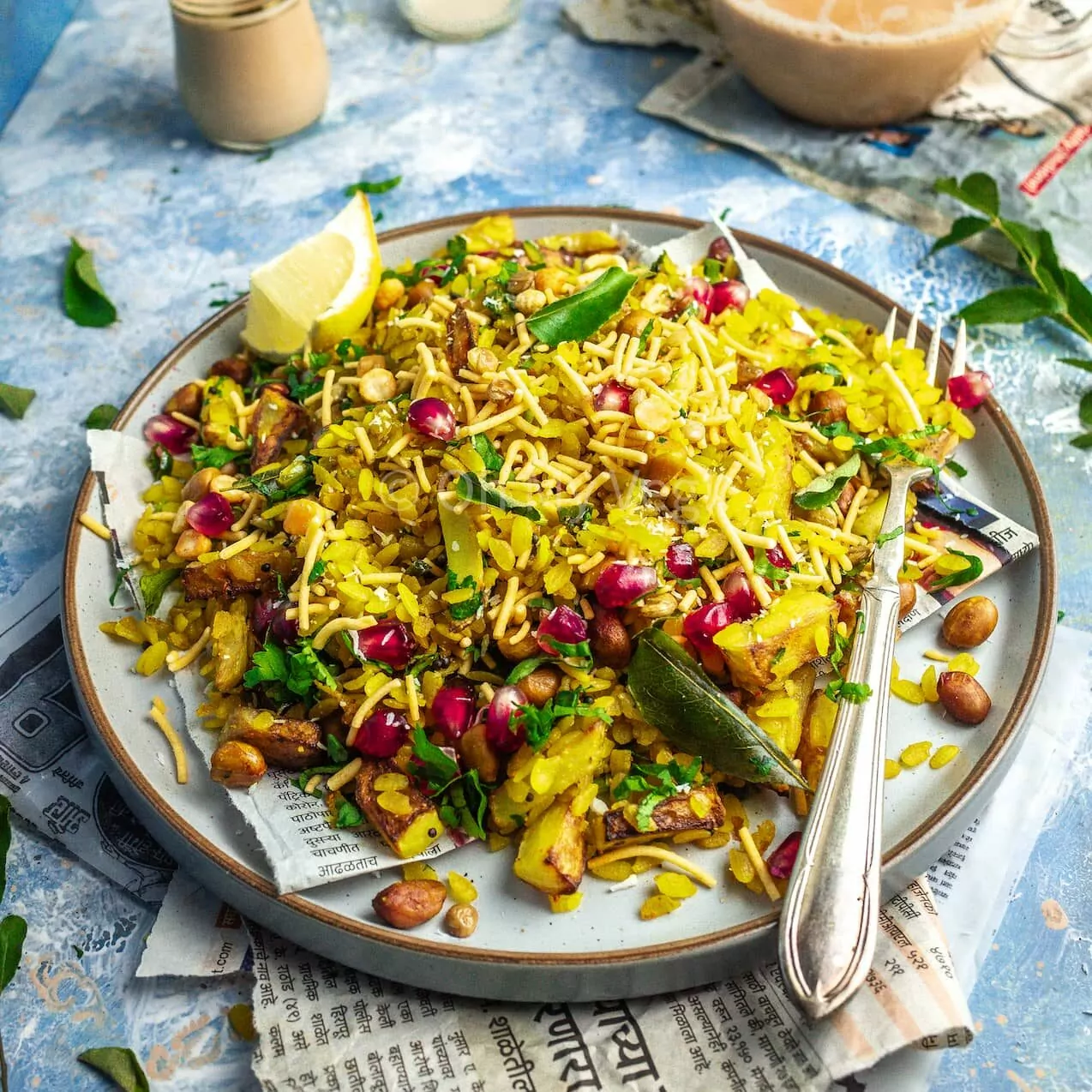
Poha is flattened rice created by processing rice grains into thin flakes. These flakes become soft after washing or steaming, making them quick to cook. Poha is commonly prepared with onions, green chilies, curry leaves, mustard seeds, turmeric, and peanuts. Some people also add vegetables like peas, carrots, beans, tomatoes, and capsicum.
Different regions in India prepare poha in different ways. Some versions are spicy, while others are sweet and mild. Because poha absorbs flavors easily, it works well with many healthy ingredients.
The main reason poha remains popular is convenience. It takes only a few minutes to prepare, making it useful for working professionals, students, and families.
Nutritional Value of Poha
Understanding the nutrition profile helps answer the question: is poha good for weight loss?
A standard bowl of vegetable poha generally contains:
| Nutrient | Approximate Amount |
|---|---|
| Calories | 180–250 kcal |
| Carbohydrates | 30–35 g |
| Protein | 4–6 g |
| Fat | 5–8 g |
| Fiber | 2–4 g |
| Iron | Moderate amount |
| Sodium | Depends on salt used |
The final nutritional value changes based on ingredients and oil quantity. Adding more peanuts, sev, sugar, or potatoes increases calorie content. Including vegetables and sprouts improves fiber and nutrients.
Poha also contains iron because many varieties are processed using iron rollers during manufacturing. Pairing poha with lemon juice helps improve iron absorption due to vitamin C.
Why Poha Can Support Fat Loss Goals
When discussing healthy breakfasts, people often ask: is poha good for weight loss? Several features make poha suitable for balanced eating.
Light Yet Filling
Poha feels light on the stomach while still providing enough energy to stay active during the morning. The addition of vegetables increases volume without adding too many calories.
Easy Portion Control
Unlike deep-fried snacks, poha can be measured easily. One medium bowl is often enough for breakfast, helping people avoid overeating.
Lower Oil Requirement
Poha does not require large amounts of oil for cooking. Even one or two teaspoons of oil are usually enough for a flavorful dish.
Can Be Made More Nutritious
Protein-rich ingredients like sprouts, paneer, tofu, eggs, or roasted peanuts can improve the balance of the meal.
Helps Reduce Junk Food Cravings
A satisfying breakfast may reduce unhealthy snacking later in the day. Poha with vegetables and protein can help maintain fullness for longer periods.
How Poha Fits Into a Healthy Diet
A healthy diet is not based on one food alone. Weight management depends on overall eating habits, physical activity, sleep quality, and consistency.
People wondering is poha good for weight loss should understand that poha works best when combined with:
- Balanced meals throughout the day
- Regular exercise
- Enough hydration
- Limited sugary drinks
- Better sleep routines
- Controlled portions
Poha is not a magic food, but it can become part of a smart eating strategy.
Calories in Different Types of Poha
Different recipes contain different calorie levels. Here is a simple comparison.
| Type of Poha | Estimated Calories per Serving |
|---|---|
| Plain vegetable poha | 180–220 kcal |
| Poha with potatoes | 250–320 kcal |
| Poha with peanuts | 230–300 kcal |
| Sprouts poha | 220–270 kcal |
| Paneer poha | 280–350 kcal |
| Sev topping poha | 320–400 kcal |
The healthiest versions usually contain more vegetables and moderate oil.
Benefits of Eating Poha Regularly
Provides Quick Energy
Poha contains carbohydrates that supply energy for daily activities. This makes it suitable for breakfast or pre-workout meals.
Easy Digestion
Because poha is light and soft, many people find it easier to digest than heavy fried foods.
Budget-Friendly Meal
Healthy eating does not always need expensive ingredients. Poha is affordable and available in most grocery stores.
Flexible for Different Diets
Vegetarians and non-vegetarians can both enjoy poha by adding suitable toppings and side dishes.
Suitable for Busy Mornings
Preparing healthy meals becomes easier when cooking time is short. Poha usually takes less than 20 minutes.
Common Mistakes That Make Poha Unhealthy
The answer to is poha good for weight loss can change depending on cooking habits. Some common mistakes increase calories and reduce nutritional quality.
Using Too Much Oil
Excess oil quickly raises calorie intake. Using a non-stick pan can help reduce oil use.
Adding Large Amounts of Sev
Sev is crunchy and tasty but adds extra fat and calories.
Oversized Portions
Even healthy foods can contribute to weight gain when portions become too large.
Lack of Protein
Plain poha without protein may not keep you full for long.
Pairing With Sugary Drinks
Sweet tea, packaged juices, and sugary coffee drinks can increase total calorie intake.
Best Ingredients to Add to Poha
Adding nutritious ingredients improves the quality of the meal.
Vegetables
Vegetables increase fiber, vitamins, and meal volume.
Good options include:
- Carrots
- Green peas
- Beans
- Tomatoes
- Spinach
- Capsicum
- Corn in moderation
Protein Sources
Protein supports muscle maintenance and fullness.
Healthy additions include:
- Sprouts
- Paneer
- Tofu
- Boiled eggs
- Roasted peanuts
- Soy chunks
- Greek yogurt on the side
Healthy Flavor Boosters
Flavorful ingredients reduce the need for excess oil or sauces.
Useful choices include:
- Curry leaves
- Lemon juice
- Coriander
- Green chilies
- Ginger
- Turmeric
Is Poha Better Than Other Breakfast Foods?
Many Indian breakfasts are delicious, but some contain large amounts of oil, butter, sugar, or refined flour. Compared with several heavy options, poha may support healthier eating.
| Breakfast Item | Typical Calories | Weight Management Friendly? |
|---|---|---|
| Vegetable poha | Moderate | Yes, in balanced portions |
| Samosa | High | Less suitable |
| Fried paratha | High | Depends on oil quantity |
| White bread with butter | Moderate to high | Less filling |
| Idli | Moderate | Good option |
| Oats | Moderate | Very good option |
| Sugary cereal | High sugar | Less suitable |
Poha stands out because it combines convenience, taste, and flexibility.
The Role of Fiber in Weight Management
Fiber helps slow digestion and improves fullness. Traditional poha is not extremely high in fiber on its own, but adding vegetables and sprouts improves its benefits.
People who ask is poha good for weight loss should focus on increasing fiber through ingredients rather than relying only on flattened rice.
Fiber-rich meals may support:
- Better appetite control
- Improved digestion
- Reduced overeating
- Stable energy levels
Adding cucumber or fruit on the side can also improve meal balance.
Can You Eat Poha at Night?
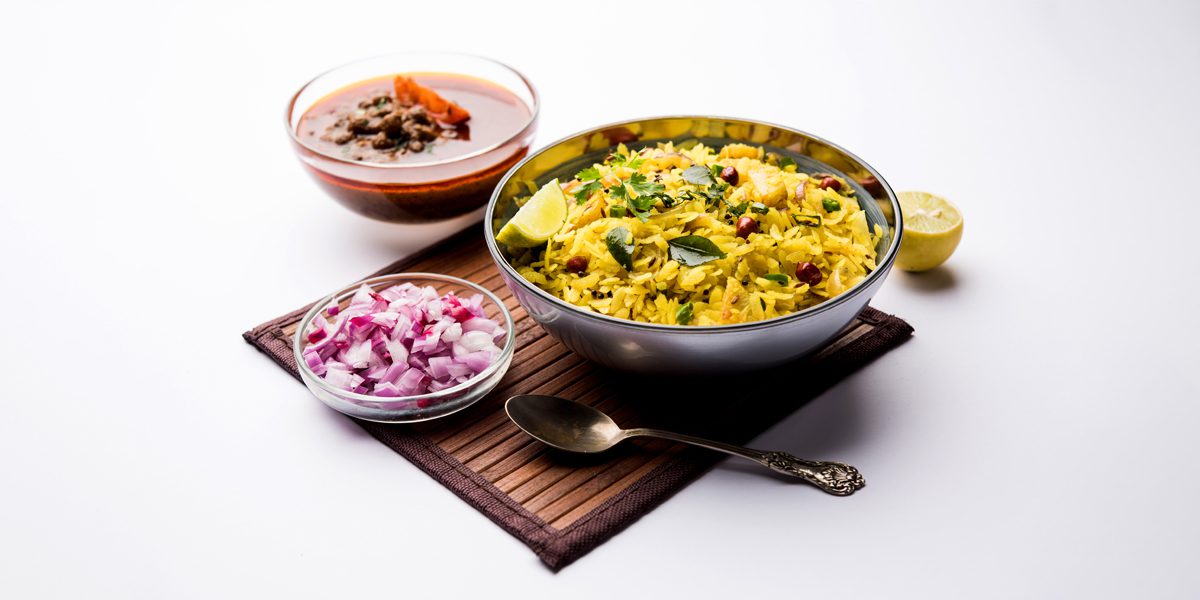
Poha is usually eaten for breakfast, but some people enjoy it during dinner or evening snacks.
Eating poha at night can work if:
- Portions stay moderate
- The recipe is low in oil
- Heavy toppings are avoided
- Protein is included
However, people who prefer lower-carb dinners may choose soups, salads, or protein-rich meals instead.
Poha for Different Fitness Goals
For Fat Loss
Use vegetables, moderate oil, and a protein source.
For Muscle Building
Add paneer, tofu, eggs, or sprouts for higher protein.
For General Health
Combine poha with fruits and nuts for a balanced breakfast.
For Busy Professionals
Meal prep chopped vegetables in advance to save time.
Healthy Poha Recipe for Better Nutrition
Here is a simple recipe that supports balanced eating.
Ingredients
- 1 cup poha
- 1 teaspoon oil
- 1 chopped onion
- 1 small tomato
- 1/2 cup peas
- Curry leaves
- Mustard seeds
- Turmeric powder
- Salt to taste
- Roasted peanuts
- Lemon juice
- Fresh coriander
Method
- Wash poha lightly and keep aside.
- Heat oil in a pan.
- Add mustard seeds and curry leaves.
- Add onions and vegetables.
- Cook until soft.
- Mix turmeric and salt.
- Add poha and stir gently.
- Add peanuts and lemon juice.
- Garnish with coriander.
This version contains more nutrients and better texture than plain poha.
Portion Size Matters
One of the biggest reasons people struggle with fat loss is uncontrolled portions.
Even though poha is lighter than many fried breakfasts, eating very large servings regularly can still increase calorie intake.
A balanced serving often includes:
- 1 medium bowl of poha
- Extra vegetables
- A protein side
- Water or unsweetened tea
Eating slowly and mindfully also improves satisfaction.
Poha and Blood Sugar Levels
Flattened rice contains carbohydrates that affect blood sugar. However, combining poha with fiber and protein may slow digestion.
Useful ways to improve balance include:
- Adding sprouts
- Including peanuts in moderation
- Using vegetables generously
- Avoiding sugar in the recipe
- Pairing with yogurt
People with diabetes should monitor portion sizes carefully and follow professional advice.
Is Brown Poha Better?
Brown poha is made using red or brown rice varieties and usually contains more fiber than white poha.
Benefits of brown poha may include:
- Better fullness
- Slower digestion
- Slightly higher nutrient content
- More fiber
Some people enjoy its nutty flavor, while others prefer traditional white poha.
Smart Cooking Tips for Healthier Poha
People frequently search online asking is poha good for weight loss because they want practical methods for healthier cooking. These simple strategies can help.
Use Minimal Oil
Measure oil with a spoon instead of pouring directly from the bottle.
Increase Vegetables
Vegetables add volume and nutrients without too many calories.
Add Protein
Protein helps improve fullness and meal balance.
Limit Fried Toppings
Reduce sev and fried snacks.
Eat Fresh
Freshly prepared poha usually tastes better and contains better texture.
Can Poha Replace Oats?
Both poha and oats can fit into healthy diets. Oats generally contain more fiber and protein, while poha is lighter and easier to prepare for many people.
Instead of choosing only one option, rotating breakfast meals may improve dietary variety.
A weekly plan could include:
- Poha
- Oats
- Idli
- Upma
- Eggs with vegetables
- Smoothies with protein
Variety helps prevent boredom and improves nutrient intake.
Myths About Poha and Weight Management
Myth 1: Carbohydrates Always Cause Weight Gain
Carbohydrates are an energy source. Weight gain usually happens when total calorie intake stays too high for long periods.
Myth 2: Poha Has No Nutrition
Poha contains iron and can become more nutritious with vegetables and protein.
Myth 3: Healthy Food Must Taste Bland
Poha can be flavorful while still supporting healthy eating habits.
Myth 4: Skipping Breakfast Speeds Up Fat Loss
Skipping breakfast may increase hunger later in the day for some people.
Sample Weight-Friendly Poha Meal Plan
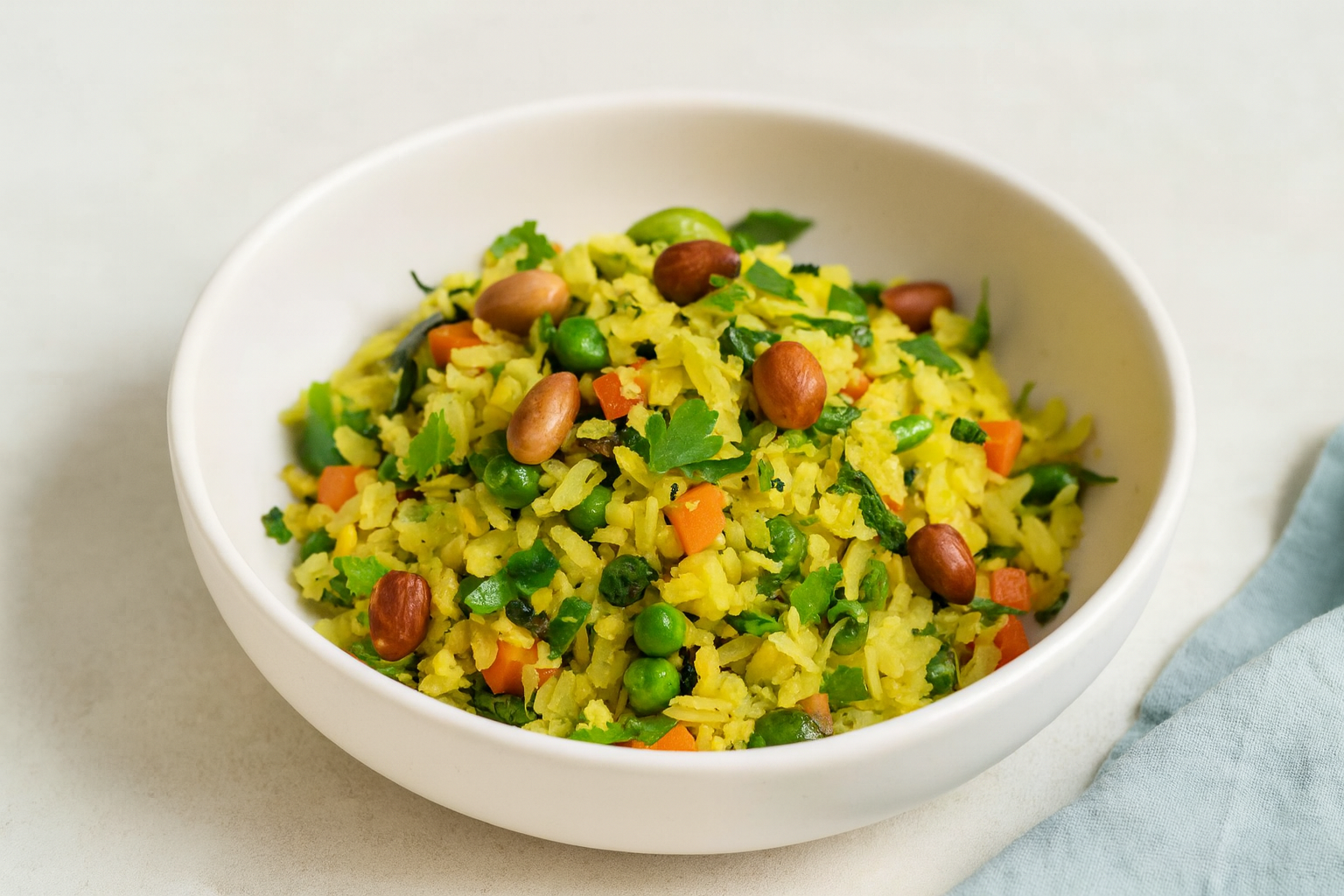
| Meal Time | Meal Idea |
|---|---|
| Morning | Vegetable poha with sprouts |
| Mid-morning | Fruit and water |
| Lunch | Dal, roti, salad, vegetables |
| Evening | Green tea and nuts |
| Dinner | Grilled protein with vegetables |
This approach keeps meals balanced instead of depending on one single food.
Restaurant Poha vs Homemade Poha
Homemade poha is usually healthier because ingredient quality and oil quantity remain under control.
Restaurant versions may contain:
- More oil
- Extra salt
- Fried toppings
- Larger portions
Preparing poha at home makes it easier to support long-term health goals.
Emotional Eating and Breakfast Choices
Many people eat unhealthy snacks because they start the day with low-quality meals that do not satisfy hunger.
A balanced poha breakfast with vegetables and protein may help reduce cravings later in the day.
Healthy eating also becomes easier when meals are enjoyable instead of overly restrictive.
Expert Tips for Better Results
If you are still wondering whether poha supports healthy fat management, remember these practical suggestions:
- Focus on overall calorie balance
- Add vegetables generously
- Include protein regularly
- Avoid excessive fried toppings
- Stay physically active
- Drink enough water
- Sleep properly
- Avoid extreme dieting
Consistency matters more than perfection.
Can poha help with fat loss?
Yes, poha can support fat loss when prepared with vegetables, moderate oil, and balanced portions.
Is poha healthier than fried breakfast foods?
In many cases, yes. Poha generally contains less oil and fewer calories than deep-fried snacks.
What is the best time to eat poha?
Breakfast is the most common choice because poha provides quick energy and is easy to digest.
Can I add protein to poha?
Yes. Sprouts, paneer, tofu, eggs, and peanuts are common additions.
Frequently Asked Questions
1. Can poha be eaten daily?
Yes, poha can be eaten daily if meals remain balanced and ingredients are nutritious.
2. Does poha contain protein?
Poha contains a small amount of protein naturally, but adding sprouts, paneer, tofu, or eggs improves protein intake.
3. Is poha heavy on the stomach?
Most people find poha light and easy to digest when prepared with moderate oil.
4. Which is healthier: poha or upma?
Both can be healthy depending on ingredients and cooking style. Portion size and oil quantity matter.
5. Can poha increase weight?
Eating oversized portions with excess oil, potatoes, and fried toppings regularly may increase calorie intake.
6. What can I drink with poha?
Water, buttermilk, unsweetened tea, or lemon water are lighter options.
7. Is brown poha healthier than white poha?
Brown poha usually contains more fiber and may support fullness better.
8. Can gym-goers eat poha?
Yes, gym-goers can enjoy poha, especially when combined with protein-rich foods.
Conclusion
So, is poha good for weight loss? In many situations, yes. Poha can support healthy eating goals because it is light, affordable, easy to prepare, and flexible enough to include nutritious ingredients.
The key is preparation. A bowl filled with vegetables, moderate oil, and protein-rich additions is very different from a version overloaded with fried toppings and large portions.
Long-term fitness success does not come from avoiding every carbohydrate or following extreme diets. It comes from balanced meals, regular movement, proper sleep, hydration, and consistency.
Poha can absolutely become part of that balanced lifestyle when enjoyed mindfully and prepared in a nutritious way.
Read More:-Understanding Life Coverage and Financial Protection for Families!