


Introduction
Investing in international markets has become an interesting opportunity for Indian investors who want to diversify their portfolios beyond domestic companies. The United States has one of the world’s largest stock markets, featuring globally recognised businesses in technology, healthcare, finance, entertainment, automobiles, and other industries. Companies such as Apple, Microsoft, Amazon, Google, and NVIDIA attract investors because of their global presence, business models, and long-term growth potential. With digital investment platforms becoming more accessible, Indian residents can explore international investing without physically travelling to another country.
Understanding how to invest in US stocks from India is an important first step for anyone interested in international diversification. Investors can access American companies through eligible overseas investment platforms, international brokerage accounts, and certain Indian investment products. However, before investing, it is necessary to understand account requirements, foreign exchange conversion, regulatory limits, taxation, transaction charges, and market risks. A well-informed approach can help beginners make sensible investment decisions instead of following short-term market trends.
1. Why Should Indian Investors Consider US Stocks?
The US stock market provides access to companies operating across several industries and international markets. Many American businesses generate revenue from customers worldwide, which means investors can participate in companies whose products and services are used across different countries. For Indian investors who already hold domestic shares and mutual funds, international investments may offer another way to diversify their financial portfolios.
Another reason investors explore American equities is the variety of investment opportunities. The US market includes established companies, emerging businesses, technology leaders, healthcare organisations, and exchange-traded funds. However, international investing does not automatically guarantee better returns. Stock prices can decline because of economic conditions, company performance, interest rates, or global uncertainty. Investors should consider their financial goals, investment horizon, and ability to tolerate losses before entering a foreign market.
2. Understand the Available Investment Routes
Before opening an account, investors should understand the different methods of accessing the American stock market. One common route is investing directly through an overseas brokerage platform that accepts Indian residents. These platforms may provide access to individual US-listed shares and exchange-traded funds, depending on their services and regulatory arrangements.
Another option is investing through eligible Indian mutual funds or other domestic investment products that provide international market exposure. This approach may be more convenient for beginners who do not want to manage foreign brokerage accounts or currency conversions independently. However, international funds can have investment restrictions, expense ratios, and limits on fresh subscriptions. Understanding how to invest in US stocks from India also involves comparing these routes carefully and selecting an option that suits personal financial requirements.
3. Choose a Suitable Investment Platform
Selecting an appropriate investment platform is one of the most important steps in international investing. Indian residents should check whether a platform legally supports their intended investment route and whether the associated overseas broker or intermediary is appropriately regulated. It is also important to understand how customer funds and securities are held and what investor protections apply.
Investors should compare brokerage fees, currency conversion charges, account maintenance costs, withdrawal fees, and available investment products. Some platforms advertise commission-free transactions, but foreign exchange spreads and other charges may still apply. Customer support, account security, transparent reporting, and tax documentation are additional factors worth considering.
A beginner should avoid choosing a platform only because it offers attractive promotional benefits. Instead, reviewing its terms, regulatory information, withdrawal procedures, and fee structure can help prevent unnecessary complications later.
4. Open and Verify Your Investment Account
After selecting a suitable platform, the next step is to complete its account-opening process. Most overseas investment services require identity verification and personal information to meet financial compliance requirements. Indian residents may be asked to provide a PAN card, proof of address, identity documents, bank account details, and other requested information.
Some platforms may also require tax-related declarations, such as Form W-8BEN, depending on the account structure and applicable US tax requirements. This form generally helps establish foreign status for US tax withholding purposes and may support the application of treaty benefits where eligible. Investors should provide accurate information and understand the declarations before submitting them.
Once verification is complete, the platform may activate the account and provide access to its investment dashboard. Users should enable strong passwords and two-factor authentication to protect their accounts.
5. Understand the RBI Liberalised Remittance Scheme
Indian residents who want to send money abroad for permitted purposes should understand the Reserve Bank of India’s Liberalised Remittance Scheme, commonly known as LRS. Under the scheme, resident individuals can generally remit up to USD 250,000 per financial year for permitted current and capital account transactions, subject to applicable conditions and restrictions.
Investments in overseas securities may be made through permitted routes under the relevant foreign exchange regulations. Investors should confirm that their proposed transaction is permitted and follow the requirements of their authorised dealer bank. Banks may request documents explaining the purpose of the remittance and other transaction details.
The LRS framework is particularly important when learning how to invest in US stocks from India, because it establishes the regulatory framework for sending investment funds overseas. Investors should also understand applicable Tax Collected at Source (TCS) requirements and available tax credits rather than assuming that every international transfer has identical tax treatment.
6. Transfer Money from India to Your Investment Account
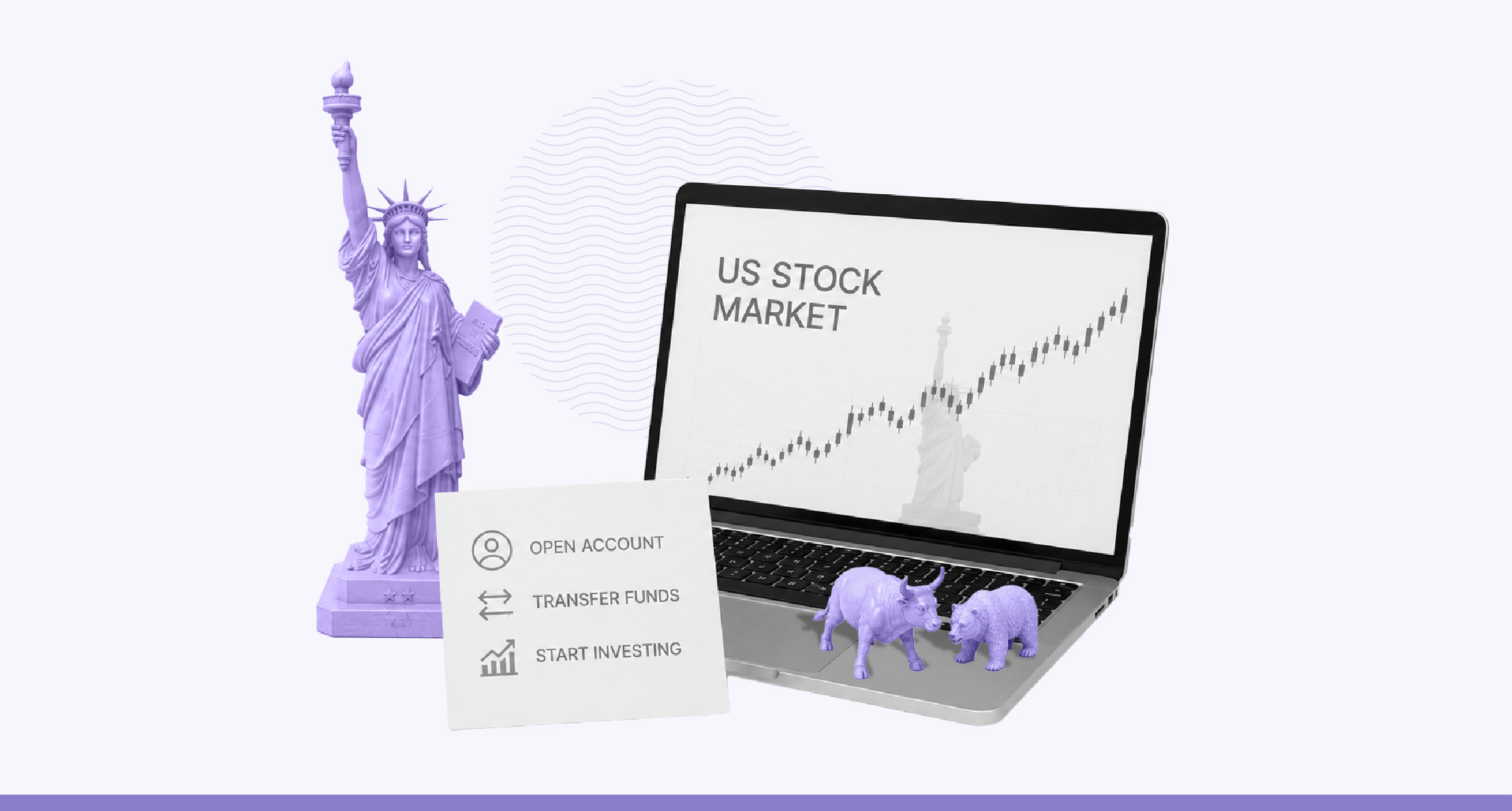
After completing the account-opening process, investors need to transfer funds to their overseas investment account. This generally involves converting Indian rupees into US dollars through an authorised banking or remittance channel. The converted amount can then be deposited into the brokerage account according to the platform’s instructions.
Currency conversion is an important part of international investing because the exchange rate affects the total investment cost. For example, if the Indian rupee weakens against the US dollar, purchasing the same number of shares may require more rupees. Similarly, a stronger rupee can reduce the rupee value of overseas investments when converted back. Investors should check exchange rates, bank charges, conversion spreads, and applicable TCS before making transfers. Keeping transaction receipts and remittance records is also useful for future tax reporting.
7. Research and Select US Companies
Once the investment account is funded, investors can begin researching companies listed on American stock exchanges. It is important to understand a company’s business model, financial performance, competitive position, revenue growth, debt levels, and future opportunities before purchasing its shares. Investors should not select companies simply because their names are popular or frequently discussed on social media.
Beginners can start by studying established businesses in industries they understand. Technology, healthcare, consumer goods, financial services, and renewable energy are examples of sectors available in the US market. Reading annual reports, reviewing financial statements, and understanding company valuations can support better decisions. Investors should also compare competitors and consider whether a company’s current share price reasonably reflects its future growth expectations.
8. Understand ETFs and Diversification
Individual stocks are not the only way to participate in the American market. Exchange-traded funds, commonly called ETFs, allow investors to access a collection of securities through a single investment product. Some ETFs track broad market indices, while others focus on particular industries, investment strategies, or company categories.
For beginners, diversified ETFs may provide a simpler starting point than selecting several individual companies. For example, an ETF tracking a broad US market index can provide exposure to multiple businesses across different industries. However, ETFs also carry market risk, expense ratios, tracking differences, and currency exposure. Before investing, users should examine the fund’s holdings, investment objective, costs, and availability through their chosen platform. Diversification can help spread company-specific risk, but it cannot eliminate the possibility of financial losses.
9. Understand US Stock Market Trading Hours
The US stock market generally operates from Monday to Friday, excluding market holidays. Its regular trading session runs from 9:30 a.m. to 4:00 p.m. Eastern Time. Because India follows a different time zone, American market hours usually fall in the evening or late night for Indian investors.
The exact Indian trading schedule changes depending on daylight saving time in the United States. Investors should check their brokerage platform for accurate opening and closing times. Some platforms also provide pre-market and after-hours trading, but these sessions can involve lower liquidity and wider price differences. Beginners may find regular market hours easier to understand because trading activity is generally more established during the main session.
10. Understand Taxation on US Stock Investments
Taxation is an important consideration when investing internationally. Indian residents may have to report foreign investment income and overseas assets according to the applicable Indian income tax rules. Profits from selling US shares may be taxable in India, and the applicable treatment depends on the nature of the asset, holding period, residential status, and prevailing tax legislation.
Dividends received from US companies may also be subject to withholding tax in the United States. Eligible investors may be able to claim relief under the India-US Double Taxation Avoidance Agreement, subject to the required documentation and conditions. Foreign tax credit may also be available in India when the applicable rules are satisfied.
Investors should pay attention to foreign asset reporting. The Indian Income Tax Department provides Schedule FA for reporting specified foreign assets and Schedule FSI for foreign-source income. Eligible taxpayers may also need Schedule TR when claiming foreign tax relief. The correct income tax return form is important because ITR-1 and ITR-4 do not contain these schedules. Professional tax advice can help investors understand their reporting obligations.
International investments offer opportunities, but they also involve risks that should not be ignored. The first major risk is market volatility. US stock prices can change significantly because of company announcements, economic reports, interest rate decisions, geopolitical developments, and investor sentiment.
Currency fluctuations are another important consideration. Even if a US stock performs well in dollar terms, changes in the rupee-dollar exchange rate can affect the final return in Indian currency. Investors must also consider international transaction fees, tax obligations, overseas brokerage rules, and differences in market regulations.
Another common mistake is investing too much money in a single company or industry. A balanced portfolio should reflect the investor’s financial goals, investment horizon, and risk tolerance. Avoiding borrowed money, speculative trading, and emotional investment decisions can help beginners manage their exposure more responsibly.
12. Practical Tips for Beginners
Starting with a clear investment strategy can make international investing easier to manage. Beginners should consider the following practices before committing money:
-
Start with a manageable amount: Invest only money that is not required for immediate financial needs.
-
Research before purchasing: Understand the company’s financial position and business model.
-
Compare investment costs: Check brokerage fees, conversion spreads, transfer charges, and withdrawal costs.
-
Diversify your portfolio: Avoid depending entirely on one company or industry.
-
Think long term: Do not make decisions based only on daily price movements.
-
Maintain records: Keep transaction statements, dividend details, remittance receipts, and tax documents.
-
Review your investments: Periodically evaluate whether your holdings remain suitable for your financial objectives.
These habits can help investors develop a more disciplined approach to international markets. It is also sensible to maintain an emergency fund and address high-interest debt before taking additional investment risks.
13. Common Mistakes to Avoid
Many beginners make avoidable mistakes when entering international markets. One common mistake is purchasing shares without understanding the company’s financial position. Another is ignoring currency conversion costs, taxation, and withdrawal charges, which can reduce overall investment returns. Investors sometimes follow online recommendations without checking whether the suggested companies match their own financial goals.
It is also important to avoid expecting guaranteed profits. Even successful international companies can experience declining share prices. Investors should not invest their entire savings in overseas equities or make decisions based on temporary market excitement. Understanding how to invest in US stocks from India requires patience, financial awareness, and regular evaluation of investment choices.
14. Is Investing in US Stocks from India Suitable for Beginners?
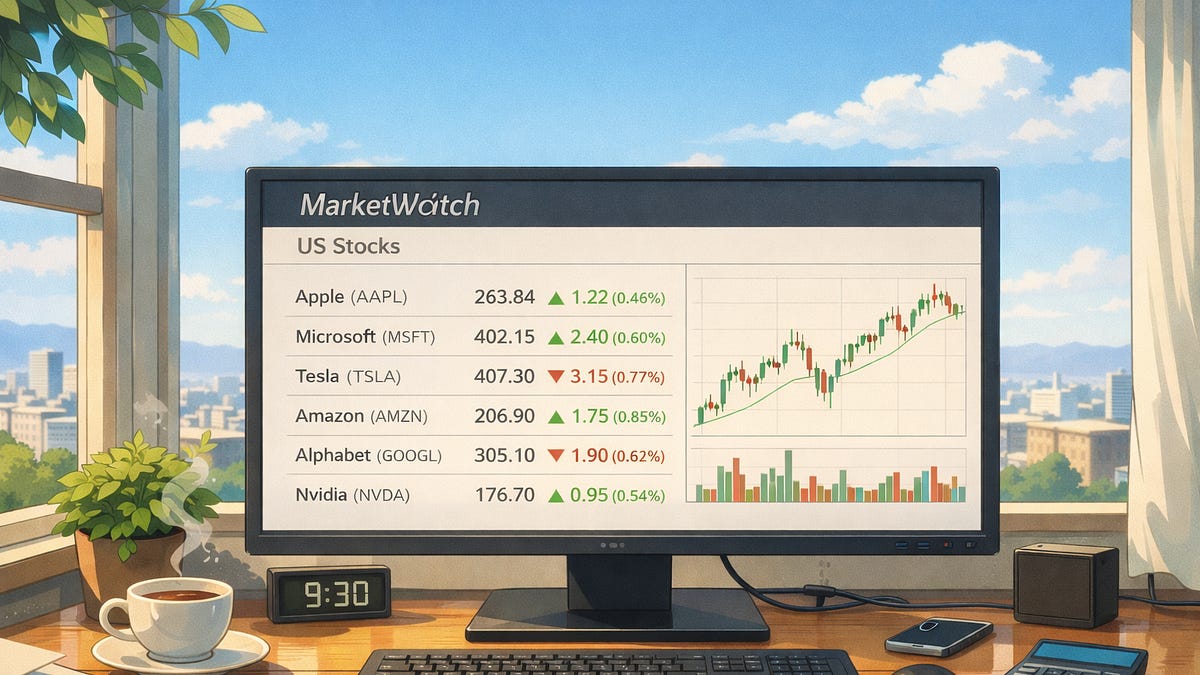
Investing in American companies can be suitable for beginners who understand the risks and have a reasonable investment plan. International exposure may help diversify an investment portfolio and provide access to industries and businesses that are not widely represented in Indian markets. However, investors should first become familiar with basic stock market concepts, company valuation, currency movements, and investment taxation.
A beginner does not need to purchase multiple stocks immediately. Learning how brokerage accounts work, studying diversified ETFs, and understanding international regulations can provide a useful foundation. Before deciding how to invest in US stocks from India, individuals should assess their financial situation and decide how much international exposure is appropriate. Starting gradually and reviewing investments periodically can help develop better financial habits.
Conclusion
The US stock market offers Indian investors an opportunity to explore international businesses, diversify their portfolios, and participate in global economic growth. With suitable investment platforms, overseas brokerage accounts, and permitted remittance methods, accessing American securities has become more convenient than it was in the past.
However, successful international investing requires more than simply opening an account and purchasing shares. Investors should understand RBI regulations, currency conversion, brokerage fees, taxation, foreign asset reporting, and market volatility. Learning how to invest in US stocks from India can help beginners approach international markets with greater confidence and financial awareness. A research-based strategy, realistic expectations, diversification, and long-term discipline are essential for making informed investment decisions.