

Introduction
Taking care of a dog’s ears is an important part of maintaining its overall health. Dogs use their ears to understand their surroundings, respond to sounds, and communicate with people and other animals. However, their ears can also collect dirt, wax, moisture, and debris, sometimes creating conditions that lead to irritation or infection. When pet owners notice an unpleasant smell, dark discharge, or excessive wax, they often look for simple household solutions to clean the ears. One common question is: can you put peroxide in a dog’s ear?
Hydrogen peroxide is a familiar household product used for certain cleaning purposes. Because it produces bubbles when it comes into contact with organic material, some people assume it can remove earwax and dirt from a dog’s ears. However, a product that is useful in one situation is not necessarily appropriate for another. A dog’s ear canal is delicate, and using the wrong cleaning solution can cause discomfort or irritation.
Understanding the potential risks of hydrogen peroxide, recognizing signs of ear problems, and learning about safer cleaning methods can help pet owners make informed decisions. Before trying any home remedy, it is important to understand how canine ears work and when professional veterinary care is necessary.
Can You Put Peroxide in a Dog’s Ear?
The short answer is no, hydrogen peroxide is generally not recommended for cleaning a dog’s ears unless a veterinarian specifically instructs you to use it. Although it may appear to remove visible dirt and debris, it can irritate the sensitive skin inside the ear canal. The bubbling action may also create additional discomfort, especially when the ear is already inflamed or infected.
A dog’s ear canal is different from a human ear canal. It has a vertical and horizontal structure, making it easier for moisture and debris to become trapped. The skin lining this area is delicate, and excessive exposure to harsh cleaning substances can interfere with its natural protective barrier. If a dog already has an ear infection, scratches, or inflammation, applying peroxide may make the situation worse.
Another important concern is the condition of the eardrum. If the eardrum is damaged or ruptured, certain substances entering the middle or inner ear may cause serious complications. Since pet owners cannot reliably determine whether the eardrum is healthy without an examination, using household peroxide is not a safe approach.
What Is Hydrogen Peroxide?
Hydrogen peroxide is a chemical compound commonly used in household cleaning, disinfecting, and certain medical applications. It is available in different concentrations, with 3% hydrogen peroxide being a common household formulation. When it contacts organic material, it releases oxygen and produces visible bubbles.
This bubbling reaction often creates the impression that peroxide is effectively cleaning a surface. However, the presence of bubbles does not necessarily mean that a substance is safe or beneficial for delicate tissues. Hydrogen peroxide can damage healthy cells as well as unwanted material, particularly when used repeatedly or inappropriately.
In veterinary care, the suitability of a cleaning product depends on the animal’s condition, the location being cleaned, and the concentration of the substance. A solution that might be appropriate for a particular external cleaning purpose should not automatically be used inside an ear canal.
For dogs, veterinarians generally recommend specially formulated ear cleaners designed to remove wax and debris without unnecessarily irritating sensitive ear tissues.
Why Do Some Pet Owners Use Peroxide for Dog Ears?
Many pet owners learn about peroxide through traditional home remedies, online discussions, or advice shared by friends and family members. Because hydrogen peroxide is inexpensive and widely available, it may seem like a convenient option when a dog’s ears appear dirty.
Some people believe that the bubbling action helps loosen earwax, remove bacteria, and eliminate unpleasant smells. Others assume that peroxide can treat an ear infection because it is commonly associated with cleaning and disinfecting.
However, these assumptions can be misleading. Ear infections in dogs are not simply caused by dirt. They may involve yeast, bacteria, parasites, allergies, or underlying skin conditions. Cleaning the visible part of the ear does not necessarily address the actual cause.
Using an unsuitable substance may temporarily change the appearance of the ear without resolving the underlying problem. Therefore, understanding the difference between routine ear cleaning and medical treatment is essential for responsible pet ownership.
Potential Risks of Using Hydrogen Peroxide in Dog Ears
Using peroxide inside a dog’s ear can create several problems, particularly when the ear is already irritated. The severity of the reaction depends on the concentration, amount used, frequency of exposure, and condition of the ear.
1. Skin Irritation
The skin inside a dog’s ear canal is sensitive. Hydrogen peroxide can irritate this tissue and cause redness, discomfort, and inflammation. Dogs experiencing irritation may shake their heads, scratch their ears, or avoid having their heads touched.
Repeated exposure can make the ear canal increasingly uncomfortable. This is one reason veterinary professionals generally recommend avoiding household peroxide for routine ear cleaning.
2. Damage to Healthy Tissue
Hydrogen peroxide does not distinguish between unwanted material and healthy cells. Its chemical activity can affect the natural tissues responsible for protecting the ear canal.
Using it repeatedly may interfere with normal healing, particularly if the ear already contains small scratches or inflamed areas.
3. Increased Discomfort
A dog with an existing ear problem may experience burning or stinging sensations when peroxide is applied. The bubbling action can also make an already uncomfortable situation more stressful.
Dogs cannot explain their discomfort verbally, so owners should watch for behavioral changes such as whining, sudden head movements, hiding, or resisting ear handling.
4. Complications From an Injured Eardrum

One of the most important concerns involves the eardrum. If it is damaged, substances entering the ear canal may reach sensitive structures beyond the outer ear.
Certain chemicals can cause serious irritation or injury when they enter the middle or inner ear. A veterinarian should examine the ear before any potentially irritating product is used when an eardrum problem is suspected.
What Are the Signs of an Ear Infection in Dogs?
Recognizing early symptoms can help pet owners arrange appropriate treatment before an ear problem becomes more severe. Dogs may develop ear infections for several reasons, including moisture, allergies, bacterial overgrowth, yeast, and foreign material.
Common warning signs include:
-
Frequent scratching around the ears.
-
Repeated head shaking or tilting.
-
Redness or swelling inside the ear.
-
Unpleasant or unusual ear odor.
-
Dark brown, yellow, or bloody discharge.
-
Sensitivity when the ears are touched.
-
Whining or unusual behavior.
-
Loss of balance in more serious cases.
Some dogs may also become less active because the discomfort affects their daily routine. If these symptoms appear, avoid experimenting with household cleaning products.
An ear infection requires proper diagnosis because different causes may need different treatments. A veterinarian may examine the ear canal, collect a sample of discharge, and recommend medication based on the findings.
Can Hydrogen Peroxide Remove Earwax From Dogs?
Hydrogen peroxide may loosen some visible debris because of its chemical reaction with organic material. However, this does not make it a suitable earwax removal solution for dogs.
Earwax has a natural protective purpose. It helps trap dust, debris, and other unwanted particles before they move deeper into the ear canal. Removing every trace of wax is unnecessary and may interfere with the ear’s normal protective functions.
If a dog’s ears contain excessive wax, a veterinarian may recommend a suitable ear-cleaning solution. These products are formulated for animal ear canals and are intended to help loosen accumulated debris while reducing the risk of irritation.
Pet owners should also understand that excessive wax may sometimes indicate an underlying condition. Allergies, inflammation, parasites, and infections can all contribute to changes in earwax production.
Therefore, instead of trying to remove stubborn wax with peroxide, it is better to identify why the buildup is occurring.
Safer Alternatives for Cleaning a Dog’s Ears
Keeping a dog’s ears clean does not require complicated procedures or strong household chemicals. The safest approach is to use products specifically designed for canine ear care and follow veterinary instructions.
1. Veterinary-Approved Ear Cleaners
Veterinary-approved ear cleaners are among the most practical options for routine ear hygiene. They are designed to loosen wax, remove accumulated debris, and support normal ear cleanliness.
Different formulations are available for different needs. Some are intended for routine maintenance, while others are recommended for dogs with particular ear conditions.
Always select a product appropriate for your dog’s situation. If your pet has redness, pain, discharge, or a history of ear problems, ask a veterinarian before cleaning.
2. Soft Cotton Pads
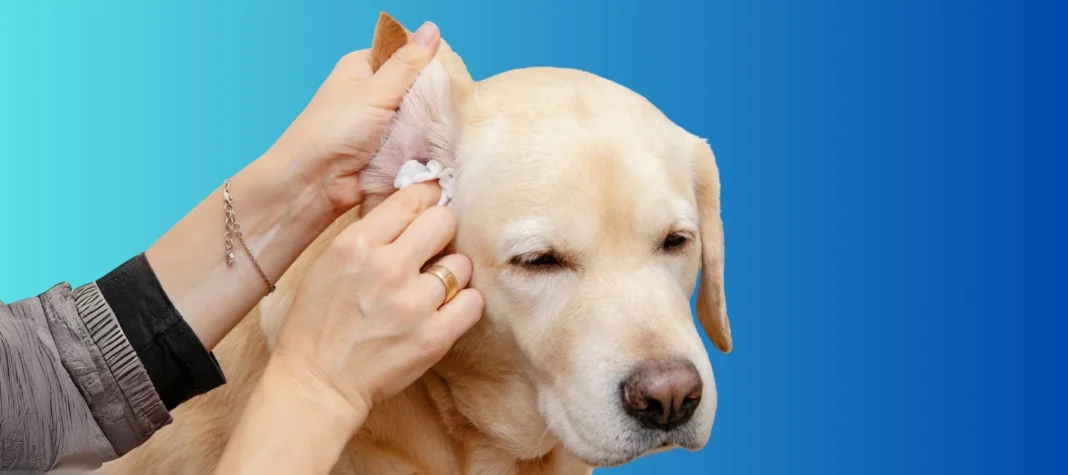
Soft cotton pads can help remove visible dirt from the outer ear flap. They should be used gently and should not be pushed deep into the ear canal.
Avoid rough materials that could scratch or irritate the skin. If debris is difficult to remove, do not force it.
3. Proper Drying After Swimming
Moisture trapped inside the ears can contribute to ear problems, especially in dogs that frequently swim or receive baths.
After swimming or bathing, gently dry the outer ear area using a clean, soft towel. Ask your veterinarian whether your dog would benefit from a specially formulated drying ear cleaner.
4. Regular Veterinary Checkups
Routine veterinary examinations can help identify ear problems before they become uncomfortable. Dogs with allergies, recurring infections, or naturally narrow ear canals may need more frequent monitoring.
Regular checkups also allow veterinarians to recommend an appropriate cleaning schedule based on the dog’s individual needs.
How to Clean Your Dog’s Ears Safely

Cleaning a dog’s ears should be a gentle process. The goal is to remove excess debris without damaging the sensitive skin or pushing material deeper into the canal.
Start by choosing a quiet location where your dog feels comfortable. Prepare a veterinarian-approved ear-cleaning solution and a few soft cotton pads. Allow your dog to smell the cleaning supplies so it becomes familiar with the process.
Gently lift the ear flap and inspect the visible area. If the ear looks healthy and your veterinarian has recommended routine cleaning, follow the product’s instructions. Apply the recommended amount of cleaner without forcing the applicator deep into the ear canal.
Massage the base of the ear gently if the product instructions recommend doing so. You may hear a soft squishing sound as the solution moves through the canal. Allow your dog to shake its head naturally, then wipe away loosened debris from the visible outer area using a cotton pad.
Never insert cotton swabs, sharp objects, or other tools deep into the ear canal. Stop immediately if your dog shows signs of pain or distress.
What Should You Do If You Have Already Put Peroxide in Your Dog’s Ear?
If you have already applied hydrogen peroxide to your dog’s ear, avoid panicking. However, you should not continue using it.
Do not add water, vinegar, alcohol, oil, or another cleaning solution in an attempt to neutralize the peroxide. Combining different substances may create additional irritation or complicate the situation.
If peroxide is visible on the outer ear flap, gently wipe the external area with a clean, soft, slightly damp cloth. Do not pour water into the ear canal or attempt to flush it yourself.
Contact your veterinarian for advice, particularly if your dog has a history of ear infections or if you are unsure whether the eardrum is intact.
Watch for symptoms such as excessive head shaking, redness, swelling, scratching, unusual discharge, or signs of pain. Seek prompt veterinary attention if these symptoms develop.
If your dog experiences head tilting, loss of balance, unusual eye movements, or sudden hearing changes, seek urgent veterinary assessment.
How Often Should You Clean Your Dog’s Ears?
There is no single cleaning schedule that works for every dog. Some dogs naturally maintain clean ears and need very little routine cleaning. Others may require more frequent care because of their breed, skin conditions, allergies, or lifestyle.
Dogs that swim regularly may need additional attention because moisture can remain trapped around the ear canal. Dogs with floppy ears may also require regular inspections, although floppy ears alone do not mean that frequent cleaning is necessary.
Overcleaning can be just as problematic as neglecting ear hygiene. Excessive cleaning may irritate the ear canal and interfere with its natural protective environment.
The best approach is to inspect your dog’s ears regularly and follow a cleaning schedule recommended by a veterinarian. If you notice unusual smells, discharge, or redness, arrange an examination instead of simply increasing cleaning frequency.
Why Do Dogs Develop Ear Infections?
Ear infections can develop when the normal environment inside the ear canal becomes disrupted. Several factors may contribute to this condition, and understanding them can help pet owners reduce preventable problems.
Allergies
Environmental and food-related allergies are common contributors to recurring ear inflammation in dogs. Allergic reactions can affect the skin inside the ear canal and create conditions that encourage secondary infections.
Moisture
Water trapped inside the ear can contribute to an environment where microorganisms may multiply. Dogs that swim frequently may require additional ear care.
Excessive Wax Production
Some dogs naturally produce more earwax than others. Excessive buildup can trap debris and contribute to irritation.
Ear Mites
Ear mites are tiny parasites that can cause intense itching and dark, coffee-ground-like discharge. They are more commonly encountered in puppies and animals exposed to infected pets.
Bacterial and Yeast Overgrowth
Bacteria and yeast normally exist on animal skin in varying amounts. However, changes in the ear canal environment can allow them to multiply excessively and cause infection.
Because these causes require different approaches, proper veterinary diagnosis is more effective than relying on general household remedies.
Common Mistakes to Avoid During Dog Ear Care
Even well-meaning pet owners can accidentally cause ear problems by using unsuitable cleaning methods. Avoiding a few common mistakes can make routine care safer.
First, never assume that a strong household cleaning product is appropriate for an animal’s ears. Hydrogen peroxide, rubbing alcohol, and vinegar mixtures should not be used inside the ear canal unless a veterinarian specifically recommends a particular formulation.
Second, avoid inserting cotton swabs deep into the ear. This can push debris farther inside and potentially injure delicate structures.
Third, do not ignore persistent odor or discharge. These symptoms may indicate an infection or another medical problem that needs treatment.
Finally, avoid cleaning painful or inflamed ears without veterinary guidance. Cleaning an infected ear incorrectly can increase discomfort and make the examination more difficult.
A gentle approach, appropriate products, and regular professional advice are the foundations of effective ear care.
Frequently Asked Questions
1. Can You Put Peroxide in a Dog’s Ear to Remove Wax?
It is generally not recommended. Although peroxide may loosen some debris, it can irritate the sensitive skin inside a dog’s ear canal. A veterinarian-approved ear cleaner is a safer option for routine wax removal.
2. Is 3% Hydrogen Peroxide Safe for Dogs’ Ears?
Household 3% hydrogen peroxide should not be considered a safe routine ear-cleaning solution. Even at this concentration, it may cause irritation and discomfort. Ask your veterinarian before applying any chemical cleaning product to your dog’s ears.
3. What Can I Use Instead of Peroxide?
A veterinary-approved canine ear-cleaning solution is generally a better choice. Soft cotton pads can also help remove visible dirt from the outer ear flap. Avoid putting household substances deep inside the ear canal.
4. Can Peroxide Cure a Dog’s Ear Infection?
No. Hydrogen peroxide is not an appropriate treatment for canine ear infections. Infections may involve bacteria, yeast, parasites, or underlying allergies. A veterinarian must identify the cause and recommend suitable treatment.
5. What Happens If My Dog Licks Hydrogen Peroxide?
A small amount of 3% hydrogen peroxide that is licked from the outer ear may cause mild stomach irritation, but the risk depends on the amount and concentration. Contact your veterinarian or an animal poison-control service for advice. Seek urgent assistance if your dog vomits repeatedly, becomes weak, or shows breathing difficulties.
6. How Can I Tell Whether My Dog’s Ears Are Healthy?
Healthy ears generally have a natural skin color, minimal wax, and no strong unpleasant smell. Your dog should also be comfortable when its ears are gently handled. Redness, swelling, discharge, persistent scratching, and frequent head shaking may indicate a problem.
Conclusion
Understanding proper ear hygiene is an important responsibility for every dog owner. Although hydrogen peroxide is commonly found in household cleaning products, it is generally unsuitable for cleaning a dog’s ear canal. Its chemical activity can irritate sensitive skin, increase discomfort, and potentially create complications when an underlying ear condition is present.
The answer to the question, can you put peroxide in a dog’s ear, is generally no unless a veterinarian specifically directs its use. Instead, choose veterinary-approved ear-cleaning products, use soft cotton pads for visible external dirt, and avoid inserting objects deep into the ear canal.
It is equally important to recognize warning signs such as redness, unpleasant odors, unusual discharge, excessive scratching, and repeated head shaking. These symptoms may indicate an infection or another condition requiring professional attention.
Every dog has different ear-care needs, so a personalized cleaning routine recommended by a veterinarian is the best approach. With gentle handling, appropriate products, and regular health checks, pet owners can help maintain comfortable, clean, and healthy ears while avoiding unnecessary risks.