

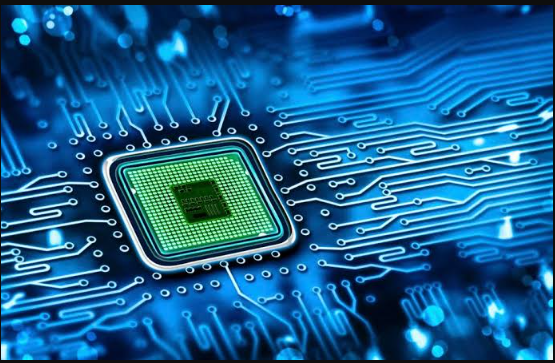
Introduction to Semiconductor Stocks
Semiconductors are among the most important components in the modern technology economy. Almost every major electronic product, from smartphones and computers to automobiles, medical equipment, communication systems, and industrial machines, depends on semiconductor components. As digitalization continues to expand, demand for chips is also increasing across several industries. This has made semiconductor stocks an interesting area for investors who want exposure to the technology and manufacturing sectors.
India has also started paying greater attention to semiconductor manufacturing. Government incentives, investments in chip fabrication, packaging facilities, electronics manufacturing, and growing demand for connected devices are creating a developing ecosystem. However, India’s semiconductor industry is still at an early stage compared with established manufacturing hubs such as Taiwan, South Korea, the United States, Japan, and China. Investors therefore need to understand both the opportunities and the risks before evaluating companies connected with this theme.
What Is a Semiconductor?
A semiconductor is a material whose electrical conductivity falls between that of a conductor and an insulator. Silicon is the most widely used material in semiconductor manufacturing. By carefully controlling its electrical properties, manufacturers can create transistors, integrated circuits, memory components, sensors, and other electronic devices.
Modern chips can contain billions of transistors packed into extremely small areas. These components allow electronic devices to process information, store data, communicate, and perform calculations.
Semiconductors are essential for smartphones, laptops, servers, electric vehicles, industrial machinery, satellites, telecommunications equipment, and many other products. The increasing importance of these applications is one reason investors are paying attention to the semiconductor industry.
Why Semiconductor Stocks Are Attracting Attention
The growing popularity of semiconductor stocks is closely connected with the expansion of artificial intelligence, cloud computing, electric vehicles, automation, 5G communications, consumer electronics, and data centers.
As companies and consumers adopt more advanced digital technologies, demand for processing power continues to increase. Modern vehicles also contain a growing number of electronic systems, including sensors, safety systems, infotainment, battery-management systems, and driver-assistance technologies.
India’s ambition to develop a domestic semiconductor ecosystem adds another potential growth factor. Local manufacturing could reduce dependence on imported components while creating new opportunities for engineering, packaging, testing, design, and electronics companies.
India’s Semiconductor Opportunity
India has traditionally been strong in software, information technology services, engineering talent, and chip design. However, semiconductor fabrication requires highly specialized facilities, substantial capital investment, advanced equipment, reliable utilities, and strict manufacturing standards.
The country is now attempting to build capabilities across several parts of the semiconductor value chain. These include semiconductor design, fabrication, assembly, testing, packaging, and related equipment and materials.
This development could create opportunities for listed businesses that provide technology, engineering, manufacturing, infrastructure, or electronic components. Investors should nevertheless distinguish between companies directly involved in semiconductor production and businesses that benefit indirectly from the industry’s growth.
Major Areas of the Semiconductor Industry
The semiconductor industry is much larger than chip fabrication alone. It includes several interconnected activities.
Chip design involves creating the architecture and specifications of semiconductor components. Fabrication involves manufacturing chips on silicon wafers. Packaging and testing prepare chips for use in electronic products and verify their performance.
There are also companies supplying semiconductor manufacturing equipment, specialized chemicals, materials, electronic components, and industrial infrastructure.
For investors researching semiconductor stocks, understanding these different segments is important because companies can have very different business models and risk profiles.
Indian Companies Connected With the Semiconductor Theme
India does not yet have the same number of large pure-play semiconductor manufacturers as some international markets. Consequently, investors often examine companies that have exposure through electronics manufacturing, chip design, engineering, technology services, or planned semiconductor projects.
Companies such as Tata Electronics, Tata Consultancy Services, HCLTech, Kaynes Technology, CG Power, Dixon Technologies, and other electronics or technology businesses may appear in discussions surrounding India’s semiconductor ecosystem.
However, not all of these companies are semiconductor manufacturers. Their exposure may come from electronics production, chip design, assembly, engineering, or supporting services.
Investors should examine the actual source of semiconductor-related revenue rather than relying only on a company’s inclusion in a thematic list.
Tata Group and Semiconductor Manufacturing
The Tata Group has emerged as one of the major corporate participants in India’s semiconductor ambitions. Its initiatives cover semiconductor manufacturing and related electronics activities.
A large semiconductor manufacturing ecosystem can create opportunities beyond the fabrication plant itself. Suppliers of equipment, materials, engineering services, logistics, utilities, and electronic components can potentially benefit as the ecosystem develops.
The Tata Group’s diversified structure also means investors must consider the individual listed companies and their respective businesses rather than treating the entire group as a single stock.
The development of large manufacturing projects can take years, making execution and capital allocation important considerations.
CG Power and Semiconductor Opportunities
CG Power has also attracted attention because of its involvement in India’s semiconductor manufacturing plans. The company operates in electrical and industrial products and has been associated with semiconductor assembly and testing initiatives.
Such projects can potentially help India establish capabilities in the back-end portion of semiconductor manufacturing.
For investors, however, the important questions include how quickly facilities become operational, how much revenue they eventually generate, what margins are achieved, and whether the investment produces attractive returns.
Announcements can create market enthusiasm, but long-term business performance ultimately depends on execution.
Kaynes Technology and Electronics Manufacturing
Kaynes Technology is another company frequently associated with India’s electronics and semiconductor ecosystem. Its activities include electronics manufacturing and related technology services.
Electronics manufacturing can benefit from increasing domestic production of electronic devices and components. India’s growing electronics market provides a broader opportunity beyond semiconductor fabrication.
For investors considering companies in this segment, it is useful to examine customer concentration, manufacturing capacity, order books, margins, capital expenditure, debt, and cash flows.
The semiconductor theme may create additional opportunities, but the company’s existing operations remain important when assessing its valuation.
Dixon Technologies and Electronics Growth
Dixon Technologies operates in electronics manufacturing and has become an important participant in India’s expanding electronics ecosystem.
Although electronics manufacturing is different from semiconductor fabrication, increasing domestic production of smartphones, televisions, appliances, and other devices can create demand for components and manufacturing services.
This makes electronics manufacturers relevant to the broader semiconductor and technology supply chain.
Investors should remember that indirect exposure can behave differently from direct semiconductor exposure. A company may benefit from electronics growth without necessarily benefiting equally from chip manufacturing trends.
Technology Companies and Chip Design
India has significant expertise in software engineering and semiconductor design. Several technology companies provide engineering and design services to global semiconductor businesses.
Chip design is a high-value part of the semiconductor ecosystem because creating advanced processors and integrated circuits requires specialized technical knowledge.
Indian technology companies may participate in semiconductor-related opportunities through research, engineering, verification, embedded software, and design services.
This means investors looking at semiconductor stocks should not focus exclusively on manufacturing. Design and engineering services can also represent important opportunities within the broader industry.
Artificial Intelligence and Semiconductor Demand
Artificial intelligence has become a major driver of semiconductor demand. Advanced AI systems require powerful processors, memory, networking equipment, and data-center infrastructure.
Training and operating sophisticated computing systems can require substantial processing capacity. As businesses increasingly adopt AI applications, demand for high-performance computing hardware may continue to increase.
This trend has helped make semiconductor companies globally important investment opportunities.
India’s AI expansion could also increase demand for data centers, networking equipment, servers, and other technology infrastructure, indirectly supporting the broader semiconductor ecosystem.
Semiconductors and Electric Vehicles
Electric vehicles require significantly more electronic systems than many traditional vehicles. Batteries, motor controllers, sensors, charging systems, infotainment, safety features, and power-management systems all depend on electronic components.
As electric-vehicle adoption increases, semiconductor demand could grow alongside the automotive industry.
Autonomous driving and advanced driver-assistance systems may further increase the number of sensors and processors required in vehicles.
This creates another long-term demand driver for semiconductor manufacturers and companies involved in automotive electronics.
The Role of Government Support
Government policy can play a significant role in developing India’s semiconductor industry. Semiconductor manufacturing requires enormous capital expenditure and specialized infrastructure, making public support potentially important during the early stages.
Incentives can encourage companies to establish fabrication, assembly, testing, and packaging facilities within the country.
Government support can also contribute to the development of skilled workers, research capabilities, and supporting infrastructure.
However, investors should not assume that government incentives automatically guarantee profitability. Projects still need strong execution, competitive costs, reliable customers, and appropriate technology.
Semiconductor Stocks and Growth Potential
The long-term opportunity for semiconductor stocks comes from the increasing importance of electronics in everyday life. Digital devices are becoming more sophisticated, vehicles are becoming more connected, businesses are adopting automation, and data consumption continues to increase.
At the same time, countries are increasingly interested in securing domestic semiconductor supply chains.
India’s large consumer market and growing manufacturing sector could provide an important foundation for semiconductor-related businesses.
If manufacturing capabilities expand successfully, companies participating in the ecosystem could potentially benefit from increasing domestic demand and international supply-chain diversification.
Important Risks for Investors
Despite the attractive growth story, semiconductor investments can be highly cyclical. Chip demand can rise rapidly during periods of strong technology spending and decline when customers reduce inventories.
Semiconductor manufacturing is also capital intensive. Building advanced facilities requires substantial investment, and technology becomes outdated relatively quickly.
Competition is another major risk. Established international manufacturers have decades of experience and sophisticated supply chains.
Indian companies entering this industry may therefore face challenges involving technology, costs, talent, customer acquisition, and production efficiency.
Valuation risk should also be considered because strong expectations can sometimes become reflected in stock prices before earnings fully develop.
How to Evaluate Semiconductor Stocks
Investors should examine several factors before purchasing a semiconductor-related company. Revenue growth is important, but profitability and cash generation are equally significant.
Investors should examine the company’s debt level, capital expenditure plans, operating margins, return on capital, order book, customer concentration, and competitive advantages.
It is also useful to determine how much of the company’s current revenue is actually connected to semiconductors. A company described as a semiconductor opportunity may receive only a small portion of its revenue from that business.
Understanding this distinction can help investors avoid paying a high valuation for an opportunity that may take many years to become financially significant.
Long-Term Outlook for India’s Semiconductor Industry
India’s semiconductor industry is still developing, but the long-term outlook is supported by several structural trends. Electronics manufacturing is expanding, digital services are growing, electric vehicles are becoming more important, and data-center demand is increasing.
The country also has a large pool of engineering and technology professionals who can support design and manufacturing activities.
If infrastructure, investment, technology, and workforce development progress successfully, India could become a more important participant in global semiconductor supply chains.
However, building a competitive ecosystem requires patience. Semiconductor manufacturing cannot be developed overnight, and investors should focus on long-term execution rather than short-term announcements.
Full Form of India by TravelTweaks
The phrase full form of india by traveltweaks is a separate general-knowledge search term and does not have a direct connection with semiconductor investing.
India is the name of a country and is not an abbreviation with a universally recognized official expanded form. Some websites may provide creative interpretations of the word India, but such interpretations should not be confused with an official government-defined full form.
Readers searching for full form of india by traveltweaks are therefore looking for different information from those researching semiconductor companies. Keeping these subjects separate helps prevent confusion and makes an article easier to understand.
Frequently Asked Questions
What are semiconductor stocks?
Semiconductor stocks are shares of companies involved directly or indirectly in semiconductor manufacturing, chip design, electronics, testing, packaging, equipment, materials, or related technology services.
Are there semiconductor stocks in India?
India has several listed companies associated with electronics, chip design, manufacturing, engineering, and semiconductor-related projects. However, investors should distinguish between direct semiconductor exposure and broader electronics exposure.
Why are semiconductors important?
Semiconductors are essential components of computers, smartphones, vehicles, industrial equipment, communication systems, medical devices, and many other modern technologies.
Are semiconductor stocks risky?
Yes. Semiconductor-related investments can face cyclical demand, high capital requirements, technological changes, competition, project delays, and valuation risks.
What could drive India’s semiconductor industry?
Government support, electronics manufacturing, artificial intelligence, electric vehicles, data centers, telecommunications, domestic consumption, and global supply-chain diversification could support long-term industry development.
Conclusion
The semiconductor industry is becoming increasingly important to the global economy, and India is working to establish a stronger position within the international chip ecosystem. Rising demand for artificial intelligence, electric vehicles, smartphones, data centers, automation, and connected devices creates significant long-term opportunities.
For investors, semiconductor stocks can provide exposure to these technological changes, but the theme requires careful research. Companies can participate through chip manufacturing, packaging, testing, design, electronics production, engineering services, or supporting infrastructure. These business models have different opportunities and risks.
Indian companies associated with the semiconductor ecosystem may benefit if domestic manufacturing expands successfully. However, investors should evaluate financial performance, project execution, capital expenditure, debt, valuations, and the actual level of semiconductor exposure before making decisions.
The phrase full form of india by traveltweaks represents a separate general-knowledge topic and has no direct relationship with semiconductor companies. Keeping unrelated keywords distinct ensures that readers receive clearer and more useful information.
Ultimately, the future of semiconductor stocks will depend on technological innovation, demand growth, manufacturing capabilities, government policy, and the ability of individual companies to turn large investments into sustainable profits. Investors should therefore view the sector as a long-term opportunity while remaining aware of its cyclical nature and execution risks.
Disclaimer: This article is for educational and informational purposes only and does not constitute investment advice. Stock prices and company performance can change, and investors should conduct independent research or consult a qualified financial professional before making investment decisions.