

Introduction
The semiconductor industry has become one of the most important parts of the modern technology economy. Almost every major digital product, from smartphones and computers to electric vehicles, medical equipment, telecommunications systems, and industrial machinery, depends on semiconductor components. As India works toward building a stronger domestic electronics and chip-manufacturing ecosystem, investors are increasingly interested in semiconductor stocks in India and the companies that could benefit from this structural transformation.
India has traditionally been a major destination for semiconductor design and engineering talent, but the country is now attempting to expand into manufacturing, packaging, testing, and related infrastructure. Government incentives, rising electronics consumption, digitalization, electric mobility, artificial intelligence, and growing demand for connected devices could support the sector over the long term. However, investors should understand that semiconductor-related companies can have very different business models and risk profiles. This article examines the industry, major companies, growth drivers, risks, and important factors investors should consider.
What Is the Semiconductor Industry?
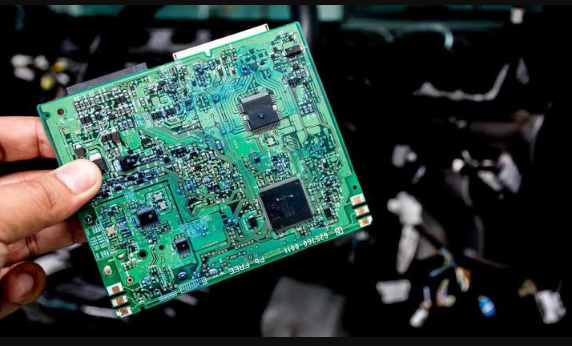
Semiconductors are materials whose electrical conductivity can be controlled, making them essential for electronic circuits and computing systems. Semiconductor chips perform functions such as processing information, storing data, controlling electrical systems, managing communications, and powering electronic devices.
The semiconductor value chain is extensive. It includes chip design, semiconductor manufacturing, assembly, testing, packaging, equipment, materials, electronics manufacturing, and software-related design services.
This distinction is important when researching semiconductor stocks in India. A company involved in chip design is exposed to different opportunities and risks than a company building a fabrication facility. Similarly, an electronics manufacturer that uses chips is not necessarily a semiconductor manufacturer.
Why Semiconductors Matter to India
India’s economic growth is increasingly connected to electronics and digital technology. Smartphones, telecommunications equipment, automobiles, renewable-energy systems, computers, appliances, and industrial equipment all require semiconductor components.
The country has significant engineering and software talent, which gives it an advantage in chip design and semiconductor research. However, dependence on imported chips has historically been an important vulnerability.
Developing domestic semiconductor capabilities could improve supply-chain resilience, create high-skilled employment, attract foreign investment, and support India’s broader electronics-manufacturing ambitions.
For investors, this creates a potentially attractive long-term theme, but the development of a complete semiconductor ecosystem requires substantial investment, technical expertise, infrastructure, and time.
Government Support for Semiconductor Development
Government policy is one of the most important factors supporting India’s semiconductor ambitions. The India Semiconductor Mission was created to develop a sustainable semiconductor and display ecosystem within the country.
Government incentives have been designed to encourage investments in semiconductor fabrication, display manufacturing, compound semiconductors, semiconductor packaging, and other parts of the ecosystem.
Such support can reduce the financial burden associated with extremely capital-intensive semiconductor projects. It can also encourage international technology companies and domestic businesses to establish manufacturing capabilities in India.
However, investors should distinguish between announced investments, approved projects, construction progress, actual production, and commercial profitability.
Major Companies Associated With the Theme
The Indian semiconductor investment landscape includes companies with direct and indirect exposure. Some are involved in semiconductor design and electronics manufacturing, while others are expected to benefit from the broader growth of the ecosystem.
Companies commonly discussed in relation to the Indian semiconductor theme include Tata Electronics-related businesses, Tata Consultancy Services, HCL Technologies, Dixon Technologies, Kaynes Technology, CG Power and Industrial Solutions, Bharat Electronics, MosChip Technologies, and other electronics and technology companies.
Not all of these companies are pure semiconductor businesses. Their existing operations, valuations, and financial performance can be influenced by many other factors.
Therefore, investors should evaluate the specific business model before considering any stock.
Tata Group and Semiconductor Manufacturing
The Tata Group has become one of the most significant participants in India’s semiconductor ambitions. Tata Electronics has pursued semiconductor manufacturing and semiconductor assembly and testing initiatives, strengthening the group’s position in the country’s emerging chip ecosystem.
The group’s presence across electronics, manufacturing, technology, and industrial businesses could potentially provide useful synergies.
For investors researching semiconductor stocks in India, Tata-related listed companies can therefore attract attention. However, exposure differs between individual Tata companies, and investors should examine each listed entity separately rather than assuming that every Tata stock has the same semiconductor opportunity.
The success of semiconductor investments will ultimately depend on execution, technology partnerships, production scale, customer relationships, and profitability.
Dixon Technologies and Electronics Manufacturing
Dixon Technologies is an important name in India’s electronics manufacturing ecosystem. The company manufactures products across several electronics categories and has been expanding its capabilities as domestic electronics production grows.
Although electronics manufacturing is not identical to semiconductor manufacturing, the two industries are closely connected. As more electronic products are manufactured domestically, demand for components and localized supply chains could increase.
This makes Dixon relevant to the broader semiconductor and electronics theme. Investors should nevertheless evaluate the company’s overall financial performance, customer concentration, margins, capacity expansion, and valuation rather than relying solely on the semiconductor narrative.
Kaynes Technology and Electronics Solutions
Kaynes Technology operates in electronics manufacturing and related technology solutions. Its business exposure includes areas such as industrial electronics, automotive electronics, aerospace and defense-related electronics, and other specialized applications.
As Indian electronics production becomes more sophisticated, companies involved in electronic design and manufacturing may benefit from increasing demand.
The company can therefore appear in discussions surrounding semiconductor stocks in India, even though its business extends beyond semiconductor manufacturing.
This distinction matters because investors should understand whether they are purchasing direct semiconductor exposure or broader exposure to India’s electronics manufacturing expansion.
CG Power and Semiconductor Opportunity
CG Power and Industrial Solutions has also attracted attention because of its participation in India’s semiconductor ecosystem. The company has been associated with semiconductor assembly and testing plans, giving it a more direct connection to chip-related manufacturing than many traditional electronics companies.
Semiconductor assembly and testing is a critical part of the chip value chain. Chips manufactured on semiconductor wafers need to undergo packaging and testing before they can be integrated into finished products.
Building domestic capabilities in this area could help India strengthen its position in the global semiconductor supply chain.
Bharat Electronics and Semiconductor Demand
Bharat Electronics is a major Indian defense electronics company. Its business includes electronic systems and equipment used in defense and other strategic applications.
The increasing use of electronics in defense systems creates demand for sophisticated semiconductor components.
While Bharat Electronics is not simply a semiconductor company, its strategic electronics exposure makes it relevant to India’s broader technology and semiconductor ecosystem.
Investors should consider its defense-related order book, government spending, margins, execution capability, and valuation alongside any semiconductor-related opportunities.
Technology Companies and Chip Design
India’s semiconductor story is not limited to physical manufacturing. Chip design and semiconductor engineering are also important components of the ecosystem.
Technology and engineering companies provide design services, verification, embedded systems expertise, and software support to global semiconductor companies.
Businesses with strong engineering talent can potentially benefit from increasing demand for customized chips and advanced electronic systems.
This is one reason India’s existing technology industry could play an important role in the country’s semiconductor development even before large-scale domestic chip fabrication reaches maturity.
Why Semiconductor Stocks Could Grow
Several factors could support semiconductor stocks in India over the coming years. One major driver is rising domestic electronics consumption.
India is already a large market for smartphones, computers, televisions, automobiles, appliances, and telecommunications equipment. As household incomes increase and digital technology becomes more deeply integrated into everyday life, electronics demand could continue expanding.
The growth of electric vehicles is another important factor. EVs typically require sophisticated electronic systems, power-management components, sensors, and control units.
Renewable-energy infrastructure, data centers, telecommunications, industrial automation, and defense technology can also contribute to semiconductor demand.
The Artificial Intelligence Opportunity
Artificial intelligence has significantly increased global interest in semiconductor technology. Advanced computing applications require powerful processors, memory components, networking equipment, and specialized chips.
India’s growing data-center and technology ecosystem could contribute to increasing demand for advanced semiconductor infrastructure.
AI-related semiconductor demand also highlights the importance of chip design and advanced packaging.
Indian companies participating in technology services, electronics manufacturing, and semiconductor-related engineering could potentially benefit from this broader trend.
However, investors should avoid assuming that every technology company will automatically benefit from AI or semiconductor growth. Actual revenue exposure remains important.
Electric Vehicles and Semiconductor Demand
Electric vehicles contain numerous electronic systems that control battery management, motors, charging, safety features, infotainment, and driver-assistance functions.
As EV adoption increases, semiconductor demand from the automotive sector could grow.
India’s automotive industry is also moving toward connected vehicles and advanced electronic features. These trends could increase the value of locally available semiconductor and electronics supply chains.
Companies involved in automotive electronics, component manufacturing, semiconductor packaging, and related engineering services could potentially benefit.
The Role of Data Centers
Data centers are another important semiconductor demand driver. Cloud computing, digital services, streaming platforms, financial technology, and artificial intelligence all require extensive computing infrastructure.
India’s rapidly expanding digital economy could increase demand for data-center capacity.
Data centers require processors, memory chips, networking equipment, power-management systems, and numerous electronic components.
This creates indirect opportunities for semiconductor-related businesses even when they do not manufacture chips themselves.
Challenges Facing Semiconductor Stocks
Despite the promising outlook, semiconductor stocks in India face significant risks.
The semiconductor industry is extremely capital intensive. Building fabrication facilities requires enormous investments in equipment, clean rooms, utilities, water systems, and specialized infrastructure.
Technology also changes quickly. A facility must remain competitive as chip architectures and manufacturing processes evolve.
Another challenge is scale. Global semiconductor leaders operate at enormous production volumes, and new manufacturers need strong customer relationships to achieve efficient utilization.
Supply-chain disruptions, technology dependencies, global competition, and changing government policies can also affect the sector.
Valuation Risk
One of the biggest concerns for investors is valuation. A stock can belong to an attractive industry and still be a poor investment if its market price already reflects unrealistic growth expectations.
Some semiconductor and electronics-related companies may trade at high valuations because investors anticipate rapid future expansion.
Before buying a stock, investors should examine revenue growth, earnings, cash flow, debt, return on capital, capacity expansion, and valuation multiples.
The semiconductor theme should be viewed as a long-term business opportunity rather than a reason to ignore conventional investment analysis.
How to Research Semiconductor Stocks
Investors researching semiconductor stocks in India should first identify the company’s actual semiconductor exposure.
Ask whether the company designs chips, manufactures them, packages and tests them, supplies equipment, produces electronic components, or simply benefits indirectly from electronics growth.
Next, examine financial performance. Revenue growth should ideally be supported by sustainable demand rather than temporary orders.
Investors should also study management plans, capital expenditure, debt, customer concentration, competitive advantages, and project execution.
Finally, valuation should be compared with realistic future earnings rather than optimistic projections alone.
Semiconductor Stocks and Long-Term Investing
Semiconductor development is unlikely to transform overnight. Manufacturing facilities require years of planning, construction, testing, qualification, and customer onboarding.
For this reason, investors considering the theme should generally have a long-term perspective.
Short-term stock movements may be driven by quarterly earnings, market sentiment, government announcements, global semiconductor cycles, or broader equity-market conditions.
Long-term investors should focus more heavily on whether companies are building sustainable competitive advantages and generating improving financial results.
India’s Potential Role in Global Supply Chains
India has an opportunity to become an important part of the global semiconductor supply chain.
Its large domestic market, engineering talent, growing electronics industry, and government support provide a foundation for expansion.
However, becoming a major semiconductor manufacturing hub requires more than investment. Reliable electricity, high-quality water, logistics, skilled workers, technology partnerships, and consistent policy support are all necessary.
If these requirements are successfully developed, India could potentially strengthen its position in global electronics and semiconductor manufacturing.
Future Outlook
The long-term outlook for semiconductor stocks in India is supported by several structural trends, including digitalization, artificial intelligence, electric vehicles, telecommunications, defense electronics, renewable energy, and domestic electronics manufacturing.
The country’s semiconductor ecosystem is still developing, meaning opportunities and risks are likely to coexist for years.
Companies that successfully convert investment into production, customer relationships, revenue, and profits could potentially emerge as long-term winners.
However, investors should remain selective. Industry growth alone does not guarantee that every participating company will generate strong shareholder returns.
Understanding “Full Form of India by TravelTweaks”
The phrase full form of india by traveltweaks is a separate general-knowledge keyword and has no direct connection with semiconductor companies or the Indian stock market.
India is the name of a country and does not have a universally accepted official expanded form like an acronym. Some websites may publish creative interpretations of the word “India,” but these should not be confused with an officially recognized full form.
Readers searching for full form of india by traveltweaks therefore have a different search intent from readers researching semiconductor investments. Keeping these subjects separate helps maintain accurate and useful information.
Frequently Asked Questions
What are semiconductor stocks in India?
Semiconductor stocks in India generally refer to listed companies with direct or indirect exposure to chip design, semiconductor manufacturing, packaging, testing, electronics manufacturing, or related technologies.
Which Indian companies are linked to the semiconductor industry?
Companies associated with the broader theme include Tata-related businesses, Dixon Technologies, Kaynes Technology, CG Power, Bharat Electronics, MosChip Technologies, and several technology and engineering companies.
Is India manufacturing semiconductors?
India is developing domestic semiconductor manufacturing and packaging capabilities through government-supported projects and private-sector investments.
Are semiconductor stocks risky?
Yes. The sector can involve high capital requirements, technological changes, project execution risks, valuation concerns, global competition, and cyclical demand.
Is the semiconductor industry important for India’s future?
Yes. Semiconductors are fundamental to electronics, telecommunications, automobiles, defense systems, data centers, and many other industries. Developing domestic capabilities could strengthen India’s technology and manufacturing ecosystem.
Conclusion
Semiconductor stocks in India represent a long-term investment theme connected to India’s ambitions in electronics manufacturing, chip design, semiconductor packaging, and technology infrastructure. Government incentives, rising domestic electronics demand, electric vehicles, artificial intelligence, data centers, telecommunications, and defense modernization could provide multiple sources of future growth.
Several Indian companies are participating in different parts of the ecosystem, but their exposure is not identical. Some businesses are involved in electronics manufacturing, others in semiconductor packaging, while technology companies may benefit through chip design and engineering services.
Investors should therefore look beyond the semiconductor label and study each company’s actual business model, financial performance, project progress, competitive position, capital requirements, and valuation.
The future could be promising, but semiconductor development requires significant investment and patience. Companies that successfully execute their plans and build commercially sustainable operations may have the strongest long-term potential.
The keyword full form of india by traveltweaks is unrelated to semiconductor investing and represents a separate general-knowledge search topic. Maintaining this distinction helps readers understand both subjects without confusion.
Overall, semiconductor stocks in India could become increasingly significant as the country develops a stronger position in the global technology supply chain. Investors should approach the sector with careful research, realistic expectations, diversification, and a clear understanding of the risks involved.
Disclaimer: This article is for general educational purposes only and does not constitute investment advice. Stock prices and business prospects can change, and investors should conduct independent research or consult a qualified financial professional before making investment decisions.