

Introduction
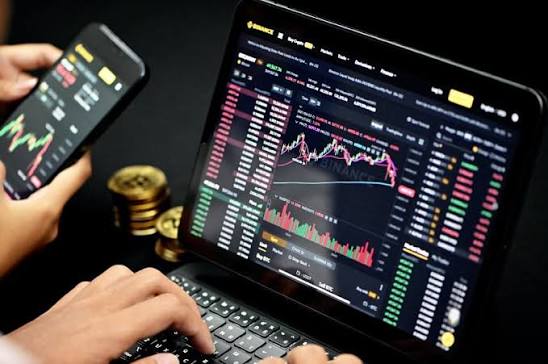
Online investing has become more accessible as digital platforms allow people to explore financial markets through computers and smartphones. Many beginners search for buy stocks Binance when they want to understand whether Binance offers access to traditional stocks and how they can begin investing through an online account. Before getting started, it is important to understand the difference between stock market investing and cryptocurrency trading, as these activities involve different assets, regulations, and risks.
Binance is primarily known as a cryptocurrency exchange where eligible users can access supported digital assets and trading services. Traditional stocks, however, represent ownership in publicly listed companies. The availability of particular financial products depends on the platform, jurisdiction, and applicable regulations. Therefore, investors should verify which services are currently available in their country instead of assuming that every asset can be purchased through the same account.
This guide explains what beginners should know about stock investing, Binance’s general role in digital finance, account preparation, trading costs, security, and responsible financial planning. Understanding these factors can help readers make more informed decisions before choosing an investment platform.
1. Understanding What Buy Stocks Binance Means
The phrase buy stocks Binance generally reflects a search for information about purchasing company shares through Binance. However, understanding the exact product being offered is essential. Traditional stocks are securities issued by companies, while cryptocurrencies are digital assets that operate through blockchain networks or related technologies. Although both can be traded online, they do not provide the same ownership rights or financial benefits.
When an investor purchases ordinary shares through a regulated stockbroker, the investment generally represents an ownership interest in a company. Depending on the share class and applicable rules, shareholders may receive voting rights and dividends. Cryptocurrency purchases usually do not provide ownership in a business or the same shareholder protections. Their value is often influenced by market demand, technological developments, liquidity, and investor sentiment.
Before selecting a platform, investors should identify the precise asset they intend to purchase. Someone interested in owning shares of a company such as Apple or Microsoft needs to confirm that the chosen service provides access to the relevant stock market. Someone interested in Bitcoin or another cryptocurrency needs a platform that supports that digital asset in their jurisdiction.
2. Does Binance Allow Users to Buy Traditional Stocks?
Binance is widely recognized for cryptocurrency trading rather than conventional stock brokerage services. Whether a particular stock-related product is available can depend on the country, product launch status, and regulatory conditions. Consequently, users should not assume that searching for a company name on Binance means they can purchase its ordinary shares directly.
In the past, Binance introduced stock-token products that provided price exposure to selected company shares. These products were different from holding conventional shares through a stockbroker. Binance announced the discontinuation of its stock-token products in 2021. This history illustrates why users should check current official product information rather than rely on older articles, advertisements, or outdated tutorials.
Anyone researching buy stocks Binance should confirm whether the service they are considering provides actual shares, a derivative, a tokenized instrument, or only cryptocurrency trading. These products can differ substantially in ownership rights, fees, settlement arrangements, and legal protections.
For traditional share ownership, a regulated brokerage that supports the desired market is generally the more direct route. For cryptocurrency investments, Binance may be an option where its services are legally available and appropriate for the investor.
3. How to Prepare Before Opening an Investment Account
Before purchasing any financial asset, beginners should establish their investment goals and understand their financial position. Some people invest for long-term wealth creation, while others seek short-term trading opportunities. These goals require different strategies, levels of research, and tolerance for market fluctuations.
Start by reviewing your budget, outstanding debts, emergency savings, and expected expenses. Money required for rent, education, medical needs, or other essential commitments should not be exposed to substantial investment risk. An emergency fund can help prevent investors from being forced to sell assets during unfavorable market conditions.
Next, compare platforms based on regulation, available products, fees, withdrawal methods, customer support, and security features. Read the terms carefully, particularly when a service offers products that resemble traditional investments but may not provide direct ownership. Investors should also determine how deposits and withdrawals work in their country and whether their preferred payment methods are supported.
A well-prepared investor is less likely to make impulsive decisions based on online trends or temporary price movements. Preparation also helps establish realistic expectations about potential returns and possible losses.
4. Creating and Securing a Binance Account
Users who decide to explore Binance should begin by checking the official platform’s availability and terms for their location. Registration procedures and verification requirements may differ by jurisdiction. Depending on the service, users may need to provide identifying information and complete identity verification before accessing particular features.
Account security deserves particular attention because cryptocurrency transactions can be difficult or impossible to reverse. Choose a strong, unique password and enable an available form of two-factor authentication. Consider using an authenticator application or a supported passkey where appropriate. Keep recovery information secure and never share passwords, verification codes, or private wallet keys with another person.
It is also important to watch for fake websites, fraudulent investment groups, and impersonators claiming to represent an exchange. Access the platform through a verified official address or trusted application source. Avoid clicking unexpected messages that promise guaranteed profits or request urgent transfers.
Even when users understand buy stocks Binance as a starting point for their research, they should remember that creating a cryptocurrency exchange account does not automatically establish a traditional brokerage account. The products available within the account must be verified separately.
5. Understanding the Difference Between Stocks and Cryptocurrency
Stocks and cryptocurrencies can both experience price volatility, but their underlying characteristics differ.
Stocks represent interests in companies, and their prices may reflect earnings, revenue growth, competitive advantages, management decisions, interest rates, and broader economic conditions. Investors can examine company financial statements, industry trends, and valuation measures when deciding whether a share is attractive.
Cryptocurrencies have different valuation considerations. Prices can be influenced by adoption, network activity, token supply, exchange liquidity, regulation, security incidents, and speculative demand. Some digital assets have limited practical utility, while others support specific blockchain applications. Their investment characteristics vary widely, so cryptocurrencies should not be treated as interchangeable.
Another important distinction concerns investor protections. Traditional securities may be covered by particular regulatory and investor-compensation arrangements, depending on the country and account structure. Cryptocurrency holdings may have different or more limited protections. Neither category is automatically safe, and the protections applicable to one product should never be assumed to cover another.
Understanding these differences helps investors choose an appropriate service instead of selecting a platform solely because it is familiar or popular.
6. Fees and Costs to Consider Before Trading
Trading expenses can affect investment performance over time. Before purchasing any asset, review the platform’s fee schedule and calculate the total cost of buying, holding, and eventually selling the investment.
Cryptocurrency exchanges may charge trading fees based on the transaction amount and the user’s applicable fee tier. Additional costs can arise from deposits, withdrawals, network transfers, currency conversions, or the difference between buying and selling prices. The precise charges depend on the product and payment method.
Traditional stockbrokers may charge commissions, currency-conversion fees, custody fees, or other service charges. Some advertise commission-free trading, but investors should still investigate spreads, foreign exchange costs, and other expenses. International stock investing can be particularly sensitive to currency fluctuations and conversion charges.
Taxes also influence the final outcome. Depending on the investor’s country, profits, dividends, cryptocurrency disposals, and foreign investments may be subject to different tax rules and reporting obligations. Investors should maintain accurate transaction records and consult a qualified tax professional when necessary.
Rather than focusing exclusively on the advertised trading fee, compare the full cost of the investment from purchase through sale.
7. Researching Investments Before Buying
Successful investing requires more than finding a convenient trading interface. Investors should understand what they are buying, why they expect it to perform well, and what could cause the investment to lose value.
For stocks, research a company’s business model, financial position, revenue trends, profitability, debt, competitive environment, and valuation. A well-known brand is not necessarily an attractive investment at every price. Similarly, a falling share price does not automatically mean that a company is undervalued.
For cryptocurrencies, investigate the asset’s purpose, token economics, network security, development activity, liquidity, and potential regulatory challenges. Be cautious of anonymous promoters, unrealistic return projections, and projects that depend heavily on attracting new buyers.
A useful approach is to write down the reason for every investment before making a purchase. Define the intended holding period, the risks you accept, and the circumstances that would lead you to reconsider the position. This encourages disciplined decision-making rather than reacting to social media commentary.
Independent research and a clear investment plan can help beginners distinguish informed opportunities from speculation.
8. Managing Risk and Avoiding Common Mistakes
Every investment involves uncertainty, and cryptocurrency markets can be particularly volatile. Prices may move sharply within short periods, sometimes in response to unexpected news or changes in market sentiment. Investors should avoid committing money they cannot afford to lose.
Diversification is one way to reduce dependence on a single asset or company. Instead of concentrating an entire portfolio in one cryptocurrency or stock, investors can evaluate different investments according to their goals, risk tolerance, and time horizon. Diversification does not eliminate losses, but it may reduce the impact of a poor result from one holding.
Beginners should also be careful with leverage. Borrowed funds can magnify both gains and losses, and leveraged positions may be liquidated when prices move against the trader. Understanding liquidation rules is essential before considering such products.
Other common mistakes include chasing rapidly rising prices, trading out of fear, ignoring fees, following unverified tips, and assuming that past performance guarantees future returns. A gradual, research-based approach is generally more manageable than making large speculative bets.
9. Is Binance Suitable for Beginners?
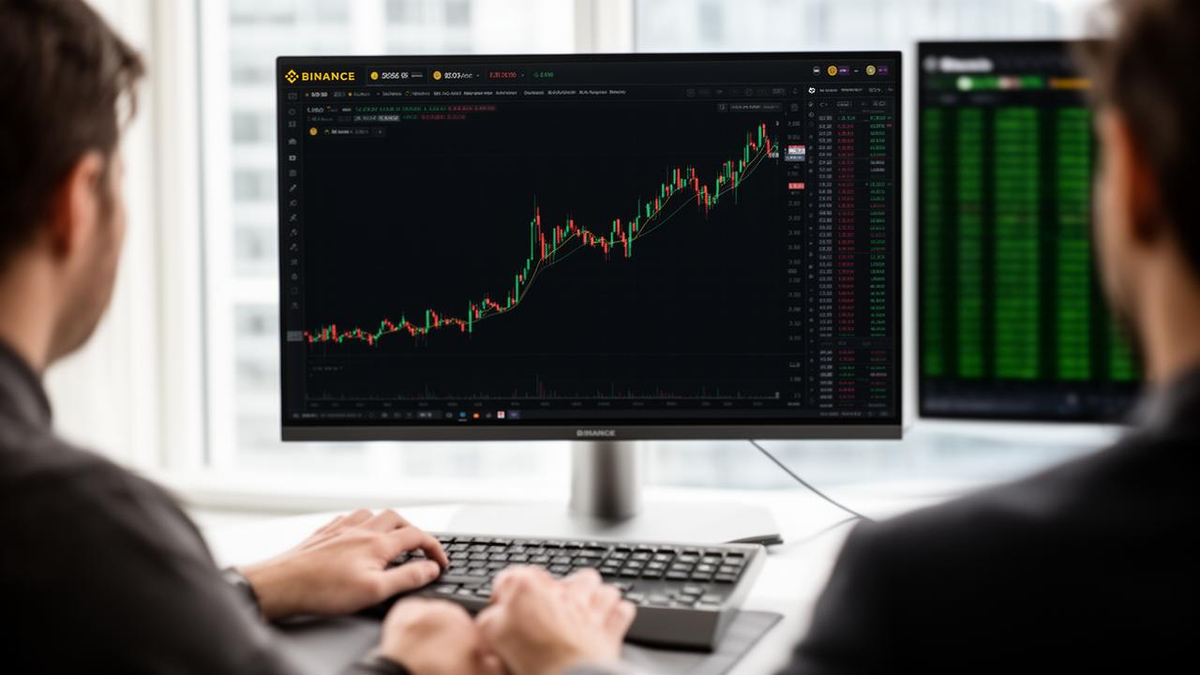
Binance may be suitable for some beginners who want to learn about cryptocurrency markets, provided the platform is available in their jurisdiction and they understand its risks. Its suitability depends on the user’s objectives, experience, local regulations, and the specific services accessible to them.
A beginner who wants to own shares in established companies should first identify a regulated broker that offers those securities. A person interested in digital assets may instead compare cryptocurrency platforms based on supported assets, security practices, trading costs, withdrawal arrangements, and customer support.
People researching buy stocks Binance should also consider how much complexity they are comfortable managing. A platform offering numerous trading pairs and advanced order types can be useful for experienced traders but may feel overwhelming to newcomers. Starting with educational resources, learning basic order types, and avoiding leverage can help reduce avoidable mistakes.
There is no single platform that is ideal for every investor. The best choice is one that offers the appropriate product legally, explains its risks clearly, charges transparent fees, and supports the investor’s financial objectives.
10. Practical Steps for a More Responsible Investment Approach
A responsible investment process begins with a specific goal. Decide whether you are investing for long-term growth, income, or short-term speculation. Then determine an appropriate budget and investment horizon before choosing assets.
Compare providers carefully and confirm the legal status of their services in your location. Read product disclosures and understand whether you will own a security directly or hold a different instrument linked to its price. Review withdrawal rules and security options before depositing money.
Once you begin investing, keep records of transactions, fees, deposits, withdrawals, and relevant tax information. Review your portfolio periodically rather than making decisions in response to every market fluctuation. If your goals or financial circumstances change, reassess your investment plan.
Most importantly, do not treat online popularity as proof of investment quality. A disciplined process built around research, risk management, and realistic expectations is more useful than searching for a guaranteed shortcut to profits.
Conclusion
Understanding buy stocks Binance starts with recognizing the difference between traditional shares and cryptocurrencies. Binance is primarily a cryptocurrency platform, and its historical stock-token offerings were discontinued in 2021. Users should verify current product availability and local eligibility before depositing funds or attempting to trade.
Investors seeking direct ownership of company shares should consider an appropriately regulated stockbroker, while those exploring cryptocurrency should carefully assess the risks, costs, and protections associated with digital assets. Research, account security, diversification, and responsible budgeting are essential regardless of the investment platform.
Ultimately, a good investment decision depends on choosing the right asset and service for your financial goals. By learning how different markets operate and avoiding unrealistic promises, beginners can approach online investing with greater confidence and make more informed financial decisions.