

Introduction
The global energy industry is undergoing a major transformation as governments, businesses, and investors search for cleaner alternatives to traditional fossil fuels. Growing concerns about climate change, rising energy demand, and the need to reduce carbon emissions have increased interest in renewable energy technologies. Among these emerging solutions, green hydrogen has attracted considerable attention because it can support the transition toward a lower-carbon economy. Produced using renewable electricity, green hydrogen offers potential applications in industries where direct electrification can be difficult or expensive.
For investors, green hydrogen stocks represent a way to explore companies involved in this developing clean energy market. These businesses may manufacture electrolyzers, develop hydrogen production facilities, supply renewable electricity, or create fuel cell technologies. Some established energy companies are also investing in hydrogen projects alongside their existing operations. However, the sector remains relatively young, and commercial success depends on production costs, infrastructure development, government policies, and long-term customer demand. Understanding these factors can help investors evaluate the industry more carefully rather than relying only on excitement about future growth.
What Are Green Hydrogen Stocks?
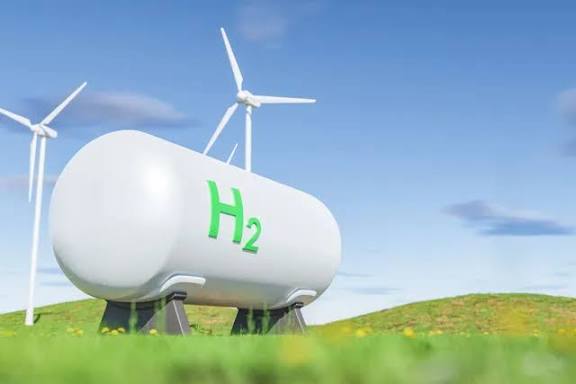
Green hydrogen stocks are shares of publicly listed companies that participate in the production, transportation, storage, or use of hydrogen made with renewable electricity. The production process generally involves electrolysis, in which electricity separates water into hydrogen and oxygen. When the electricity comes from renewable sources such as solar or wind, the process can substantially reduce emissions compared with conventional hydrogen production from fossil fuels.
These stocks cover several different business models. Some companies develop renewable power plants that supply electricity to hydrogen facilities, while others manufacture electrolyzers, build industrial infrastructure, or use hydrogen in manufacturing processes. Investors should understand that not every company associated with hydrogen earns substantial revenue from it today. In many cases, hydrogen is an emerging business alongside established operations in electricity, engineering, natural gas, or refining.
Why Is Green Hydrogen Gaining Attention?
The growing interest in green hydrogen comes from its potential to reduce emissions in industries that are difficult to electrify directly. Steel manufacturing, fertiliser production, chemical processing, shipping, and certain heavy industrial activities require fuels or raw materials that conventional renewable electricity cannot always replace easily. Hydrogen may provide an alternative in some of these applications, particularly when suitable infrastructure and competitive production costs are available.
Governments are also supporting research, manufacturing, and project development through policy initiatives. In India, the National Green Hydrogen Mission aims to establish a domestic production ecosystem and encourage demand across industrial sectors. These developments may create opportunities for equipment manufacturers, engineering companies, renewable energy developers, and established industrial businesses. Nevertheless, policy targets and investment announcements do not automatically translate into profitable operations, so investors should distinguish planned capacity from completed projects and actual sales.
Green Hydrogen Stocks in India to Research
India’s hydrogen sector includes several established companies exploring production, infrastructure, and industrial applications. The following businesses offer different forms of exposure to the theme. They are examples for research, not a ranking of the best stocks or recommendations to buy.
NTPC is a major power-generation company with experience in conventional electricity and expanding renewable energy activities. Its hydrogen-related initiatives connect with broader efforts to explore cleaner fuels, industrial applications, and renewable power integration. Its established electricity business provides a different risk profile from that of a small company focused exclusively on hydrogen technology.
Investors researching NTPC should examine its renewable energy expansion, capital expenditure, debt levels, project execution, and the financial contribution expected from new technologies. Hydrogen developments may offer future opportunities, but the company’s overall performance will continue to depend on its wider power-generation business.
2. Larsen & Toubro
Larsen & Toubro operates in engineering, construction, and industrial technology. These capabilities are relevant to hydrogen production facilities, electrolyzer manufacturing, and the infrastructure required to move from pilot projects to commercial operations. Engineering businesses may benefit when customers approve and finance new industrial projects.
However, announced projects do not guarantee immediate revenue or attractive margins. Investors should examine confirmed contracts, order execution, manufacturing capacity, project profitability, and the company’s wider financial performance before assessing its hydrogen-related potential.
3. Reliance Industries
Reliance Industries has interests across energy, refining, petrochemicals, retail, and telecommunications, while also pursuing opportunities in new energy technologies. Its resources and industrial scale may support investment in renewable power, hydrogen production, and associated manufacturing infrastructure.
The important consideration is how much these initiatives contribute to the company’s future earnings compared with its established businesses. Investors should evaluate capital allocation, project milestones, expected demand, and the cost of developing new facilities rather than assuming that large investment plans will automatically produce strong shareholder returns.
4. GAIL (India) Limited
GAIL is a major natural gas transmission and distribution company. Its pipeline network and industrial relationships make it relevant to research into future hydrogen transportation and blending applications. However, hydrogen has different technical characteristics from natural gas, and existing infrastructure cannot necessarily be converted without testing, modifications, or additional investment.
Investors should therefore assess the feasibility of specific projects, regulatory developments, infrastructure requirements, and the company’s core gas business. The long-term opportunity depends on whether commercially viable hydrogen demand develops and whether the infrastructure can serve that demand economically.
5. JSW Energy
JSW Energy is involved in power generation and energy transition initiatives, including projects connected with green hydrogen and industrial decarbonisation. Hydrogen could become particularly relevant where industrial users need lower-emission inputs or fuels and have access to reliable renewable electricity.
The main factors to monitor include project commissioning, production volumes, customer agreements, electricity costs, and the economics of supplying industrial buyers. Investors should also consider debt, financing requirements, and the company’s existing power-generation business when evaluating its overall investment profile.
Comparison of Companies With Hydrogen Exposure
| Company | Main area of exposure | Important consideration |
|---|---|---|
| NTPC | Power and clean energy projects | Execution and capital expenditure |
| Larsen & Toubro | Engineering and hydrogen infrastructure | Order conversion and margins |
| Reliance Industries | New energy and industrial development | Capital allocation and project returns |
| GAIL | Gas networks and potential hydrogen transport | Infrastructure compatibility |
| JSW Energy | Power and industrial hydrogen applications | Commercial demand and project economics |
These businesses are not identical, and their share prices may respond to different factors. Some may benefit mainly from existing operations, while others may have greater sensitivity to new project announcements. Before comparing valuations, investors should review the latest financial statements, exchange disclosures, and company announcements.
Major Factors That Could Support Industry Growth
Rising Demand for Cleaner Industrial Fuels
Industries that currently rely on fossil-based hydrogen may gradually consider renewable alternatives as technology improves and emissions requirements become more demanding. Fertiliser manufacturing and refining are potential early applications because hydrogen is already used in these industries. Steelmaking, shipping fuels, and chemical production may offer additional opportunities where the economics and technology are suitable.
However, adoption depends on more than environmental goals. Buyers need reliable supply, predictable prices, and facilities capable of handling hydrogen safely. Long-term purchase agreements and demonstrated commercial demand may therefore be more meaningful indicators of progress than broad industry forecasts.
Lower Renewable Electricity and Equipment Costs
Electricity is a major component of green hydrogen production costs. Access to affordable solar and wind power can improve project economics, particularly when generation and hydrogen production are planned together. Improvements in electrolyzer efficiency, manufacturing scale, and equipment durability could also reduce the cost of producing each unit of hydrogen.
The challenge is that renewable electricity prices, equipment utilisation, water requirements, financing costs, and transportation expenses all affect the final selling price. A company might operate advanced technology yet struggle financially if it cannot secure inexpensive electricity or dependable customers. Investors should look for evidence that a project can produce and sell hydrogen at a sustainable margin.
Government Support and Infrastructure Development
Public policy can help early-stage industries by supporting manufacturing, research, pilot projects, and initial commercial deployment. In India, the National Green Hydrogen Mission provides a framework for building domestic production capacity and encouraging adoption. Such programmes may benefit companies with credible technical capabilities and projects that meet applicable requirements.
Risks of Investing in Green Hydrogen Stocks
Despite the potential, this sector involves considerable uncertainty. Production costs can remain higher than those of conventional hydrogen, and projects may struggle to attract buyers willing to pay a premium for lower emissions. Construction delays, technology changes, expensive financing, and a shortage of supporting infrastructure can also reduce expected returns. Some companies may need additional capital before their hydrogen operations become profitable.
Stock valuation creates another challenge. Share prices may rise rapidly following policy announcements or major project news, even when the impact on current earnings is limited. If projects are delayed or commercial demand develops more slowly than expected, valuations can decline. Investors should also consider competition from other decarbonisation technologies, including direct electrification, batteries, and alternative low-emission industrial processes.
A careful evaluation should begin with the company’s overall financial position rather than its hydrogen announcements alone. Review revenue growth, operating margins, debt, cash flow, return on capital, and the amount of funding required for planned projects. For a company developing hydrogen technology, examine whether it has paying customers, repeat orders, commercially operating facilities, and a credible route toward profitability.
Investors should also compare the current share price with reasonable earnings and cash-flow expectations. A promising industry does not necessarily make every associated stock attractively valued. Diversification, an appropriate investment horizon, and a realistic assessment of risk are important, especially when a business depends on projects that may take years to mature. It is generally prudent to avoid investing money needed for near-term expenses in volatile thematic stocks.
What Is the Long-Term Outlook?
The long-term outlook for green hydrogen will depend on whether technology improvements, renewable electricity availability, industrial demand, and public policy combine to make production commercially competitive. If these conditions improve, companies involved in equipment manufacturing, engineering, clean power, and industrial supply chains may gain new business opportunities.
Nevertheless, the pace of development is unlikely to be identical across every application or country. Certain industrial uses may become commercially attractive before others, while some announced projects may be postponed or cancelled. A realistic assessment should focus on measurable progress, such as completed facilities, confirmed customer contracts, production volumes, and improving unit economics. Investors should treat forecasts as scenarios rather than guarantees.
Frequently Asked Questions
Are green hydrogen stocks suitable for beginners?
They can be researched by beginners, but the sector may be difficult to evaluate because many projects are at an early stage. New investors should understand company finances, valuation, and the possibility of significant price declines before committing money.
Which Indian companies have exposure to green hydrogen?
Companies such as NTPC, Larsen & Toubro, Reliance Industries, GAIL, and JSW Energy have activities or initiatives relevant to the hydrogen ecosystem. Their level of exposure varies, and hydrogen may represent only a small part of their total business.
What should investors check before buying these stocks?
Investors should review project progress, confirmed customer demand, production costs, cash flow, debt, valuation, and the company’s ability to finance future expansion. Current exchange filings and financial results are essential for making an informed assessment.
Can green hydrogen stocks guarantee long-term returns?
No. Even if hydrogen adoption increases, individual companies may face competition, project delays, financing problems, or poor profitability. Market prices can fall, and investors may lose some or all of the money they invest.
Conclusion
Green hydrogen offers a potentially important pathway toward cleaner industrial energy, creating opportunities across renewable electricity, engineering, equipment manufacturing, and energy infrastructure. For investors, green hydrogen stocks provide a way to research this emerging theme through companies with different capabilities and financial strengths.
However, the industry’s future depends on commercial economics, infrastructure, customer demand, and successful project execution. Investors should look beyond ambitious targets and promotional announcements to evaluate actual results, financial stability, and reasonable valuations. A disciplined, diversified approach can help investors explore the sector while recognising that its growth potential remains uncertain. This article is for educational purposes only and is not personalised financial advice.