

Introduction
The semiconductor industry has become one of the most important parts of the modern global economy. From smartphones and computers to electric vehicles, artificial intelligence, and advanced medical equipment, almost every major technology depends on semiconductor chips. These tiny electronic components help devices process information, store data, communicate, and perform complex operations. As technology continues to advance, demand for reliable and powerful chips is increasing across different industries. This growing demand has brought greater attention to semiconductor stocks among individual investors, financial institutions, and market analysts.
Investing in the technology sector can offer opportunities for people interested in long-term economic and technological development. However, understanding the companies behind chip design, manufacturing, equipment, and distribution is important before making investment decisions. Semiconductor businesses operate in a competitive environment where innovation, production capacity, supply chains, and global demand influence their performance. This article explores how the industry works, what drives its growth, the factors investors should consider, and the potential challenges associated with investing in this sector.
What Are Semiconductor Stocks?
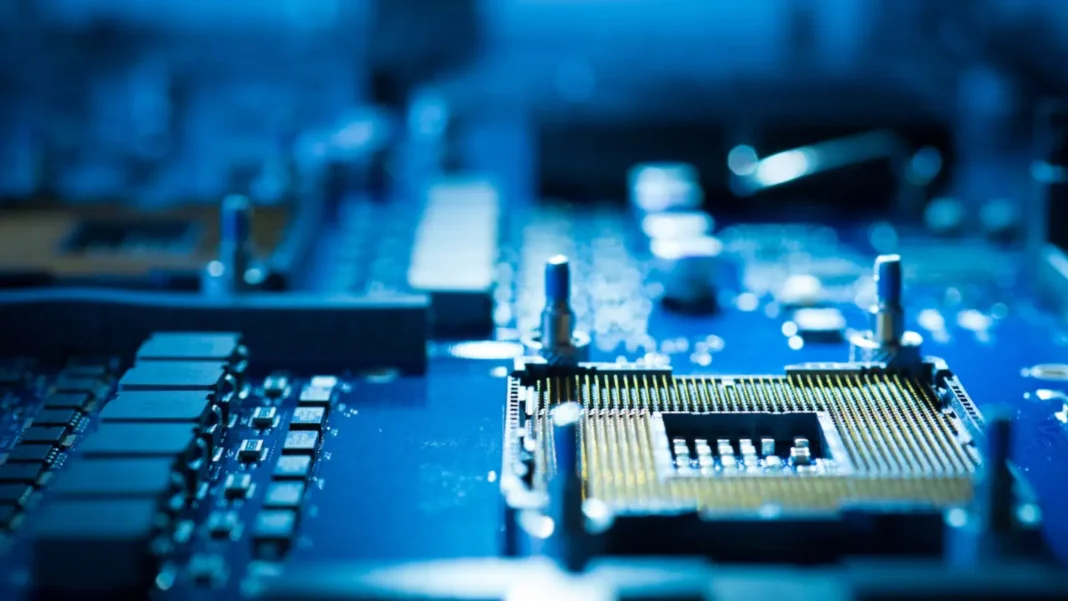
Semiconductor stocks represent shares of publicly traded companies involved in designing, manufacturing, testing, packaging, or supplying semiconductor chips and related technologies. These companies develop the essential components used in electronic products, including processors, memory chips, sensors, and power management systems. Their products support industries such as telecommunications, automotive manufacturing, healthcare, consumer electronics, and industrial automation.
The semiconductor business includes several types of companies. Some organizations focus primarily on chip design, while others operate manufacturing facilities that produce chips according to specific technical requirements. Equipment manufacturers supply the advanced machines needed to manufacture increasingly smaller and more powerful components. Investors researching semiconductor stocks should understand these different business models because each category has its own revenue sources, operating costs, competitive advantages, and financial risks.
Why Is the Semiconductor Industry Important?
Semiconductors are essential to modern digital infrastructure. Computers require processors and memory chips, smartphones depend on several semiconductor components, and communication networks use advanced chips to transfer information efficiently. Even ordinary household appliances increasingly contain electronic components that depend on semiconductor technology.
The importance of this industry has increased with the expansion of cloud computing, artificial intelligence, automation, and connected devices. Businesses need more computing power to process large amounts of information, while consumers expect faster and more capable electronic products. Governments also recognize semiconductor manufacturing as an important part of national technology infrastructure. As a result, countries are investing in research, manufacturing facilities, and supply chain development to strengthen their semiconductor capabilities.
Major Companies in the Semiconductor Industry
The global semiconductor market includes several established companies with different areas of specialization. Understanding their business models can help investors evaluate the industry’s competitive structure.
1. NVIDIA
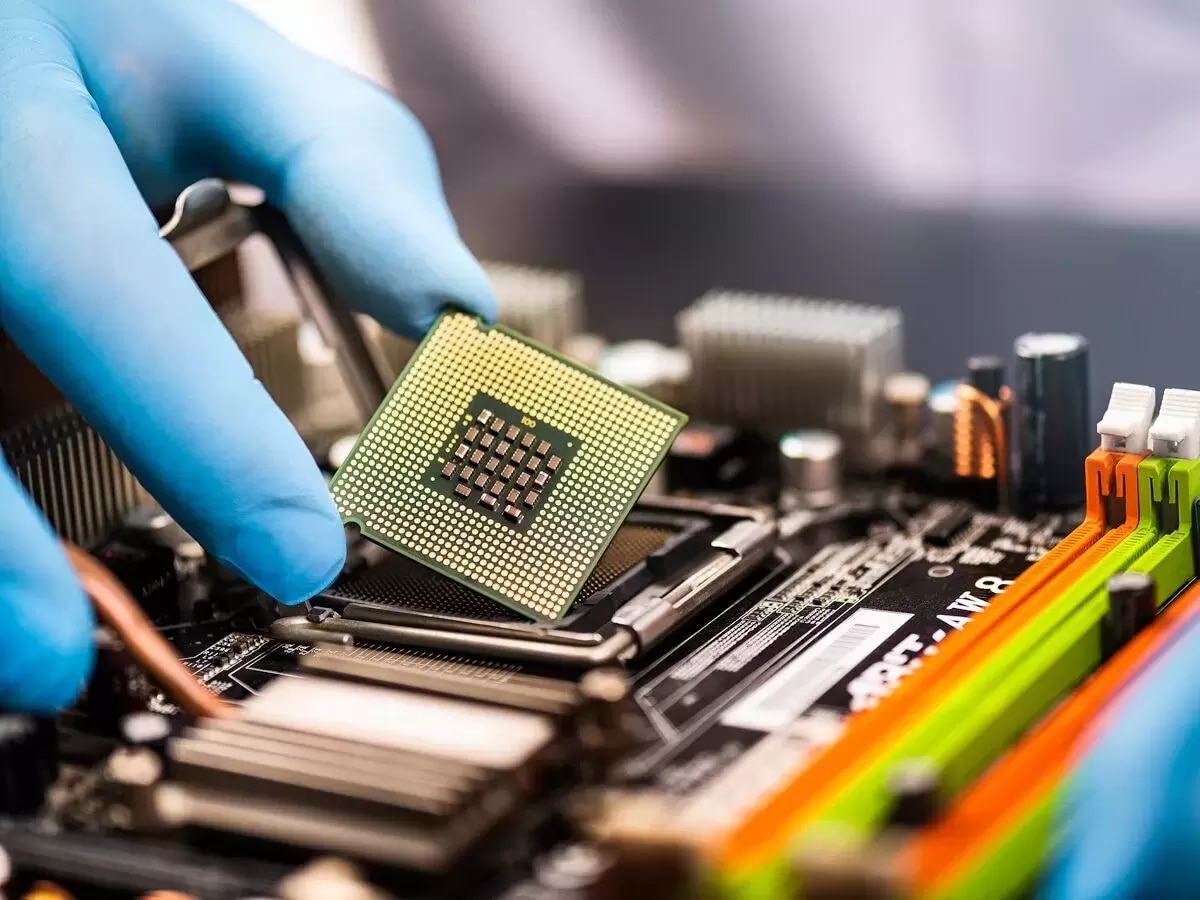
AI processors and graphics technology
NVIDIA is widely recognized for its graphics processing units and advanced computing technologies. Its products are used in gaming, artificial intelligence, scientific research, and data centres. The growing demand for AI computing has made its business an important part of discussions about the future of the semiconductor sector. Its development of software platforms and computing systems also contributes to its competitive position.
2. Intel
Intel has a long history in processor development and computer technology. Its products have been widely used in personal computers, laptops, and enterprise systems. The company is also working to strengthen its manufacturing capabilities and compete in advanced chip production. Its business performance depends on product innovation, manufacturing efficiency, competition, and demand across computing markets.
3. Taiwan Semiconductor Manufacturing Company (TSMC)
TSMC is one of the world’s leading semiconductor manufacturing companies. It produces chips designed by other technology businesses and plays a major role in the global electronics supply chain. Its advanced manufacturing capabilities make it an important company for understanding the semiconductor ecosystem.
4. Broadcom
Broadcom develops semiconductor products used in networking, broadband, wireless communications, and data centres. Its technology supports communication infrastructure and enterprise computing. The company’s business also includes infrastructure software, giving it exposure to multiple technology markets.
5. AMD
Advanced Micro Devices, commonly known as AMD, develops processors, graphics products, and computing technologies. Its products serve personal computers, gaming systems, and data centres. The company competes in markets where performance, energy efficiency, and product innovation are important purchasing factors.
Key Factors Driving Semiconductor Industry Growth
Several technological and economic developments are supporting the expansion of the semiconductor market. Understanding these factors can help investors recognize why the industry attracts attention.
Artificial Intelligence Development
Artificial intelligence has become a major driver of semiconductor demand. AI systems require powerful processors to train models, analyze information, and generate results. Data centres need specialized chips capable of handling large computing workloads efficiently. As businesses introduce AI applications into their operations, demand for advanced computing infrastructure may continue to develop.
However, AI-related growth does not automatically guarantee that every semiconductor company will benefit equally. Businesses supplying high-performance processors, memory, networking components, and manufacturing equipment may experience different levels of demand depending on their products and market positions.
Expansion of Electric Vehicles
Electric vehicles use semiconductor components for battery management, power conversion, navigation, driver assistance, and vehicle communication. Modern vehicles also contain sensors and electronic control systems that help improve safety and performance.
As electric mobility develops, automobile manufacturers require advanced semiconductor solutions. This creates opportunities for companies producing power semiconductors, automotive processors, and sensor technologies. Traditional vehicles are also becoming more electronically advanced, which supports demand for automotive chips beyond the electric vehicle market.
Growth of Cloud Computing
Cloud computing allows companies and individuals to store information, operate software, and access computing resources through internet-based services. Large data centres require processors, memory components, networking chips, and power management technologies.
As digital services expand, cloud providers continue to invest in computing infrastructure. This development supports semiconductor businesses that supply essential components for servers and data centres. The increasing use of AI services may further strengthen demand for advanced infrastructure.
Rising Demand for Consumer Electronics
Smartphones, tablets, televisions, gaming consoles, and wearable devices depend on semiconductor components. Consumers increasingly expect better performance, longer battery life, improved cameras, and advanced connectivity.
These expectations encourage manufacturers to introduce newer electronic products containing more sophisticated chips. Although consumer electronics demand can fluctuate with economic conditions, innovation continues to create opportunities for semiconductor manufacturers and designers.
Types of Semiconductor Companies Investors Should Understand
Not all semiconductor businesses operate in the same way. Understanding their categories can make investment research more organized.
Chip Designers
Chip designers develop semiconductor architectures and products without necessarily manufacturing them in their own facilities. Their business models often depend on research, intellectual property, engineering expertise, and relationships with manufacturing partners.
Integrated Device Manufacturers
Integrated device manufacturers, or IDMs, design and manufacture their own semiconductor products. They operate across multiple stages of production and may serve markets such as automotive electronics, industrial systems, and consumer technology.
Foundries
Foundries manufacture semiconductor chips for other companies. They invest heavily in production facilities, advanced machinery, and manufacturing processes. Their performance depends on factory utilization, customer demand, production efficiency, and technological capabilities.
Semiconductor Equipment Manufacturers
Equipment manufacturers produce specialized machines and tools required to manufacture semiconductor chips. Their products support processes such as wafer fabrication, inspection, lithography, and packaging.
These companies can benefit when chip manufacturers expand production capacity or upgrade their facilities. However, their revenue may also be affected by changes in capital spending across the semiconductor industry.
How to Evaluate Semiconductor Stocks Before Investing
Investing in a technology company requires more than recognizing a popular brand. Investors should examine financial performance, competitive strength, business risks, and long-term growth potential.
Examine Revenue Growth
Revenue growth indicates whether a company is successfully increasing its sales. Investors can compare revenue across multiple financial periods to understand business performance. Consistent growth may suggest strong demand, although sudden increases should be examined carefully to determine whether they are sustainable.
Understand Profitability
Profitability helps investors evaluate how efficiently a company converts revenue into earnings. Important financial measures include gross profit margin, operating margin, and net profit margin. Semiconductor manufacturing can involve substantial costs, making production efficiency particularly important.
Review Debt and Cash Flow
Manufacturing facilities, research programmes, and advanced equipment require significant capital investment. Investors should examine a company’s debt levels, available cash, and operating cash flow. Businesses with healthy financial positions may have greater flexibility to invest in research and manage difficult market conditions.
Compare Valuation
A company’s share price should be considered alongside its financial performance and future expectations. Common valuation measures include the price-to-earnings ratio, price-to-sales ratio, and enterprise value relative to earnings before interest, taxes, depreciation, and amortization.
A company with strong technology may still be an expensive investment if its share price already reflects optimistic growth expectations.
Semiconductor Stocks and Artificial Intelligence Opportunities
Artificial intelligence has changed the way businesses think about computing infrastructure. Training and operating advanced AI systems require significant processing power, memory capacity, and high-speed communication between computing components. This has increased interest in semiconductor companies that provide specialized processors and supporting technologies.
AI development creates opportunities across several parts of the semiconductor supply chain. Chip designers develop processors for machine learning, foundries manufacture advanced components, and equipment suppliers provide tools required for production. Memory manufacturers also play an important role because AI applications require fast access to large amounts of data.
Nevertheless, investors should avoid assuming that AI demand will increase every company’s earnings at the same rate. Competition, customer concentration, product pricing, manufacturing capacity, and research expenses can influence individual business performance.
Semiconductor Stocks in India
India is becoming an increasingly important participant in the global semiconductor ecosystem. The country has traditionally been recognized for its software and information technology services, but its semiconductor ambitions are expanding toward chip manufacturing, design, testing, and packaging.
Government initiatives, private investment, and international partnerships are supporting the development of domestic semiconductor infrastructure. These efforts aim to strengthen supply chains, create skilled employment opportunities, and reduce dependence on overseas manufacturing facilities.
Investors researching the Indian semiconductor sector may examine listed businesses involved in electronics manufacturing, semiconductor design, industrial technology, and related components. Some companies have direct semiconductor exposure, while others participate indirectly through electronics production and supply chain services.
It is important to distinguish between companies that manufacture semiconductor chips and businesses that provide supporting services. Their financial performance may depend on different market conditions, making detailed research essential.
Benefits of Investing in the Semiconductor Sector
The semiconductor industry offers several potential advantages for investors who understand its business cycles and technological developments.
Exposure to technological innovation: Semiconductor companies participate in developments involving AI, automation, electric mobility, cloud computing, and advanced electronics.
Long-term demand potential: Digital transformation is increasing the importance of computing and connected devices across different industries.
Multiple investment opportunities: Investors can explore chip designers, foundries, equipment manufacturers, and companies producing specialized semiconductor components.
Global market participation: Semiconductor businesses supply customers across multiple countries and industries, creating exposure to international technology development.
Research-driven growth: Companies that successfully develop advanced technologies may strengthen their competitive positions and attract demand from major technology manufacturers.
Despite these potential benefits, investment returns are never guaranteed. Strong industry growth does not mean every company will become profitable or that its stock price will increase.
Major Risks Associated With Semiconductor Investments
Before purchasing semiconductor stocks, investors should understand the risks that can influence company performance and market valuations.
Industry Cycles
The semiconductor industry experiences periods of high demand and weaker demand. When manufacturers produce more chips than customers require, excess inventory can reduce prices and affect profitability. During periods of strong demand, production capacity may become limited.
High Manufacturing Costs
Advanced semiconductor manufacturing requires expensive machinery, specialized facilities, and significant research investment. Companies must continue investing to remain technologically competitive. Higher operating expenses can affect profitability if sales do not increase sufficiently.
Global Supply Chain Challenges
Semiconductor production depends on international suppliers, manufacturing facilities, specialized materials, and transportation networks. Disruptions caused by geopolitical tensions, trade restrictions, natural disasters, or logistical difficulties can affect production and delivery schedules.
Intense Competition
Technology companies compete through product performance, pricing, manufacturing efficiency, and innovation. A company that loses its technological advantage may struggle to maintain market share.
Valuation Volatility
Semiconductor shares can experience substantial price movements because investors frequently adjust expectations about future technology demand. Stocks with high growth expectations may be particularly sensitive to disappointing earnings or changes in market sentiment.
Long-Term Investment Strategies for the Semiconductor Industry
Investors interested in the semiconductor sector should develop an approach based on their financial objectives, risk tolerance, and investment time horizon.
One approach is diversification. Instead of concentrating an entire investment in a single chip designer, investors may consider companies operating in different parts of the semiconductor supply chain. This can reduce dependence on one company’s performance, although it does not eliminate overall industry risk.
Another approach is to focus on financial strength and business quality. Companies with strong research capabilities, competitive products, disciplined management, and healthy balance sheets may be better positioned to manage industry changes. Investors should examine several years of financial information rather than relying on short-term share price movements.
Regular portfolio reviews can also help investors evaluate whether their original investment reasons remain valid. Changes in technology, competition, demand, and company financial performance may influence long-term expectations. Investment decisions should be based on research rather than excitement surrounding popular market trends.
The Future of the Semiconductor Industry
The future of the semiconductor industry is closely connected to developments in computing, communication, transportation, and automation. Artificial intelligence is expected to remain an important area of technological investment, while advanced robotics, autonomous systems, and connected infrastructure may create additional requirements for specialized chips.
New manufacturing technologies are also changing how semiconductor companies develop smaller, more efficient, and more powerful components. Advanced packaging, chiplets, and improvements in energy efficiency are becoming important areas of research and development.
At the same time, countries are focusing on strengthening domestic manufacturing capabilities and creating more resilient supply chains. These investments may influence the geographical distribution of semiconductor production over the coming years.
The future will not be equally beneficial for every company. Businesses must continue innovating, controlling costs, and adapting to changing customer requirements. For investors, understanding these developments is more useful than assuming that the entire sector will grow at the same pace.
How Beginners Can Start Researching Semiconductor Stocks
Beginners should start by learning the basic structure of the semiconductor industry. Understanding the differences between chip designers, manufacturers, foundries, and equipment suppliers makes it easier to compare businesses.
The next step is to identify companies with products and services that match current technological requirements. Investors can review annual reports, financial statements, earnings announcements, and management discussions to understand how a business generates revenue.
It is also helpful to compare companies within similar categories. For example, comparing two chip designers may provide more useful insights than comparing a chip designer directly with an equipment manufacturer. Their cost structures and revenue models can be very different.
Finally, beginners should avoid investing money based only on online discussions, short-term predictions, or sudden price increases. A disciplined approach that considers valuation, financial health, diversification, and personal risk tolerance can support more informed decisions.
Frequently Asked Questions (FAQs)
1. What are semiconductor stocks?
Semiconductor stocks are shares of publicly traded companies involved in designing, manufacturing, testing, or supplying semiconductor chips. These components are used in computers, smartphones, vehicles, data centres, and other electronic devices.
2. Why are semiconductor companies important for the future?
Semiconductor companies develop the technology that supports artificial intelligence, cloud computing, electric vehicles, automation, and digital communication. As these technologies develop, demand for advanced chips may increase.
3. Which companies are major players in the semiconductor industry?
Some internationally recognized companies include NVIDIA, Intel, TSMC, AMD, and Broadcom. Each operates in different areas of chip design, manufacturing, networking, and computing technology.
4. Are semiconductor investments risky?
Yes. The industry faces risks such as changing demand, expensive manufacturing, international supply chain disruptions, competition, and share price volatility. Investors should evaluate these factors before making investment decisions.
5. Is India developing its semiconductor industry?
Yes. India is encouraging semiconductor manufacturing, chip design, testing, and packaging through government initiatives and private-sector investments. The development of domestic capabilities is an important part of its technology strategy.
6. How should beginners research semiconductor companies?
Beginners should study company financial statements, revenue growth, profitability, debt, cash flow, competitive advantages, and valuation. Understanding the company’s position within the semiconductor supply chain is also important.
Conclusion
The semiconductor industry plays a central role in the modern digital economy. Its technologies support artificial intelligence, smartphones, electric vehicles, cloud computing, communication networks, and numerous industrial applications. As businesses and consumers increasingly depend on advanced electronics, the industry is likely to remain an important area of technological development.
However, investing in semiconductor stocks requires careful research and an understanding of the risks involved. Manufacturing costs, market cycles, global competition, supply chain disruptions, and stock valuations can all influence investment outcomes. Investors should evaluate individual companies rather than assuming that every business in the sector will perform equally well.
A balanced investment approach should consider financial strength, technological innovation, long-term business prospects, and portfolio diversification. By understanding how the semiconductor ecosystem works and following industry developments, investors can make more informed decisions about this important technology sector.
Disclaimer: This article is for educational and informational purposes only. It does not constitute financial or investment advice. Always conduct independent research or consult a qualified financial adviser before investing.