

Introduction
The technology industry has experienced remarkable growth over the past few decades, and semiconductors have become one of the most important foundations of modern innovation. From smartphones and computers to electric vehicles, artificial intelligence systems, and advanced medical devices, semiconductor chips power many of the technologies used in everyday life. As demand for digital solutions continues increasing, investors are paying close attention to semiconductor stocks as potential opportunities within the technology sector.
Semiconductors are often described as the backbone of the digital economy because almost every modern electronic device depends on advanced chips. Companies involved in semiconductor manufacturing, chip design, equipment production, and related technologies play a critical role in global technology development. This article explains the meaning of semiconductor investments, industry trends, major growth factors, risks, and what investors should understand before exploring semiconductor stocks.
What Are Semiconductor Stocks?
Semiconductor stocks represent shares of companies involved in designing, manufacturing, testing, or supplying semiconductor products and technologies. These companies create the chips that allow electronic devices to process information, store data, and perform complex operations.
The semiconductor industry includes various types of businesses. Some companies focus on chip design, while others specialize in manufacturing facilities, semiconductor equipment, memory products, or specialized processors.
Investors are interested in semiconductor companies because these businesses are connected to several fast-growing industries, including artificial intelligence, cloud computing, automotive technology, robotics, and consumer electronics.
The increasing dependence on digital technology has made semiconductor companies an important part of global financial markets.
Why Semiconductors Are Important
Semiconductors are essential because they act as the building blocks of modern electronics. Unlike traditional materials, semiconductor materials can control electrical signals, allowing devices to process and store information efficiently.
Computers require semiconductor processors to perform calculations. Smartphones depend on chips for communication and applications. Electric vehicles use semiconductor components for battery management, safety systems, and automated features.
Artificial intelligence systems require highly advanced chips capable of handling massive amounts of data. As technology becomes more advanced, demand for powerful and efficient semiconductor solutions continues to increase.
This growing importance is one reason why many investors analyze semiconductor stocks when looking at technology sector opportunities.
Major Types of Semiconductor Companies
The semiconductor industry includes different categories of companies, each playing a specific role in the supply chain.
Chip designers create semiconductor architectures and develop specialized processors for various applications. Manufacturing companies produce these designs using advanced fabrication facilities.
Equipment manufacturers provide the machinery required to create semiconductor chips, while memory companies produce storage components used in computers, smartphones, and servers.
Some businesses focus on specific markets such as automotive chips, artificial intelligence processors, or communication technologies.
Understanding these categories helps investors evaluate different opportunities within the semiconductor sector.
Factors Driving Semiconductor Growth
Several major trends are contributing to the expansion of the semiconductor industry. One of the strongest drivers is artificial intelligence. AI applications require powerful processors capable of managing complex calculations and large datasets.
Another important factor is the growth of cloud computing. Data centers require advanced chips to support online services, business applications, and digital platforms.
Electric vehicles are also increasing semiconductor demand because modern vehicles contain numerous electronic systems for safety, automation, and performance.
The expansion of smart devices, internet-connected products, and automation technologies further strengthens the long-term demand outlook for semiconductor companies.
Artificial Intelligence and Semiconductor Demand
Artificial intelligence has become one of the biggest growth opportunities for the semiconductor industry. AI models require specialized processors designed to perform large numbers of calculations quickly and efficiently.
Companies developing AI infrastructure depend on advanced semiconductor solutions for training and operating intelligent systems. As businesses adopt AI tools for automation, analytics, and decision-making, demand for high-performance chips continues to rise.
This connection between artificial intelligence and chip technology has increased investor interest in semiconductor stocks because many companies involved in AI development rely heavily on semiconductor innovation.
Role of Semiconductors in Electric Vehicles
The automotive industry is undergoing significant transformation through electric vehicles, autonomous driving systems, and connected technologies. Modern vehicles contain many semiconductor components that manage batteries, sensors, navigation systems, and safety features.
Electric vehicles require more advanced chips compared to traditional vehicles because they depend on digital control systems and intelligent technology.
As global adoption of electric transportation increases, semiconductor manufacturers and suppliers are expected to play a larger role in automotive innovation.
This trend creates additional growth opportunities for companies connected to the semiconductor ecosystem.
Benefits of Investing in Semiconductor Companies
Investing in semiconductor companies can provide exposure to several high-growth technology trends. Because chips are required across many industries, semiconductor businesses often benefit from broad market demand.
The industry also supports innovation in areas such as artificial intelligence, healthcare technology, renewable energy, telecommunications, and automation.
Companies with strong research capabilities and advanced manufacturing technology may achieve competitive advantages in the global market.
However, investors should remember that technology investments require careful research because market conditions can change quickly.
Risks Associated With Semiconductor Stocks
Although the semiconductor industry offers significant growth potential, it also involves various risks. One major challenge is the cyclical nature of the industry. Semiconductor demand can rise and fall depending on economic conditions and technology cycles.
Supply chain disruptions can also impact production because semiconductor manufacturing depends on complex global networks. Shortages of raw materials, equipment limitations, or geopolitical issues may affect company performance.
Competition is another important factor because semiconductor companies constantly invest in research and development to maintain technological advantages.
Investors should consider these risks before making decisions related to semiconductor stocks.
Global Semiconductor Supply Chain
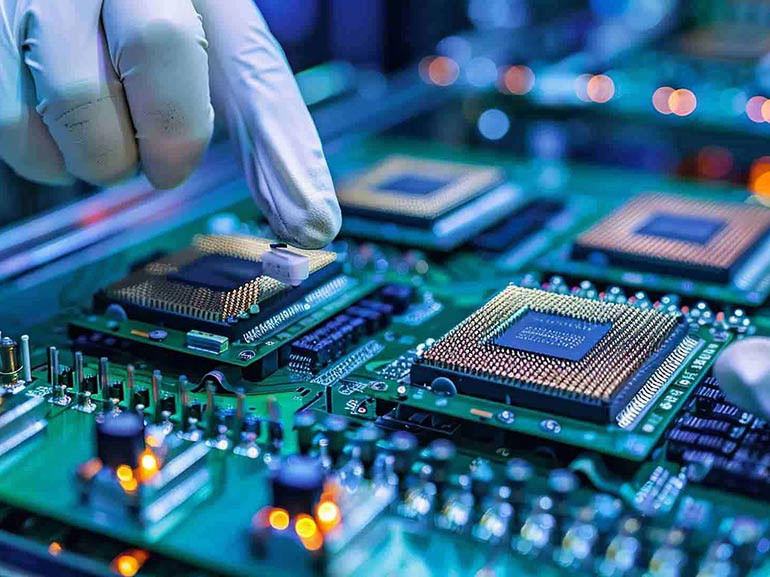
The semiconductor supply chain involves multiple countries and companies working together. Chip design, manufacturing, packaging, testing, and distribution often occur in different regions around the world.
Because semiconductor production requires highly specialized equipment and facilities, building manufacturing capacity can take significant time and investment.
Governments and businesses worldwide are increasingly focusing on strengthening semiconductor supply chains to reduce dependency on limited production centers.
This global importance makes the semiconductor industry a strategic area for economic growth and technological development.
Future Trends in Semiconductor Technology
The future of semiconductors is expected to be shaped by several advanced technologies. Smaller and more efficient chips will continue improving device performance while reducing energy consumption.
Advanced packaging technologies are being developed to increase chip capabilities. Quantum computing, artificial intelligence, and next-generation communication networks may create additional demand for specialized semiconductor solutions.
The industry is also focusing on sustainable manufacturing practices to reduce environmental impact.
These innovations suggest that semiconductor technology will remain essential for future digital transformation.
How Investors Analyze Semiconductor Companies
Before investing in semiconductor companies, investors typically examine several important factors. Revenue growth, profit margins, research investment, market position, and technological capabilities are commonly considered.
Investors also analyze industry trends, customer demand, competition, and supply chain conditions.
A company’s ability to innovate and adapt to changing technology requirements often influences its long-term success.
Understanding both company-specific information and broader industry trends helps investors make more informed decisions.
Semiconductor Stocks and the Digital Future
The world is becoming increasingly dependent on digital technologies. Artificial intelligence, automation, connected devices, and advanced computing systems all require powerful semiconductor solutions.
As businesses and consumers continue adopting new technologies, semiconductor companies are expected to remain important contributors to digital development.
The future of computing, communication, transportation, and healthcare will largely depend on continued semiconductor innovation.
This long-term connection between technology growth and chip demand keeps semiconductor stocks in focus among many market participants.
Tips for Understanding Semiconductor Investments
New investors should begin by learning how the semiconductor industry works before evaluating individual companies. Understanding different business models, market trends, and technological developments can provide valuable insights.
Diversification is also important because investing in a single company may expose investors to company-specific risks.
Following industry news, studying financial reports, and monitoring technology trends can help investors develop a stronger understanding of the sector.
Patience and research are essential when exploring opportunities in technology-focused investments.
Frequently Asked Questions
What are semiconductor stocks?
Semiconductor stocks are shares of companies involved in designing, manufacturing, and supplying semiconductor chips and related technologies.
Why are semiconductor companies important?
Semiconductor companies create chips that power computers, smartphones, vehicles, artificial intelligence systems, and many other technologies.
Are semiconductor stocks risky?
Yes. Semiconductor investments can experience volatility due to market cycles, competition, supply chain issues, and economic changes.
What industries depend on semiconductors?
Industries such as artificial intelligence, automotive, healthcare, telecommunications, consumer electronics, and cloud computing rely heavily on semiconductor technology.
Conclusion
Semiconductor stocks represent companies that are central to the modern technology ecosystem. As artificial intelligence, electric vehicles, cloud computing, automation, and smart devices continue expanding, semiconductor demand is expected to remain an important factor in global innovation.
However, investors should understand that the semiconductor industry also faces challenges, including supply chain risks, competition, and market fluctuations. Careful research, awareness of industry trends, and long-term thinking are essential when evaluating semiconductor opportunities.
The future of technology will depend heavily on advanced chips and efficient computing solutions. As digital transformation continues worldwide, semiconductor companies are likely to remain among the most important contributors to technological progress and innovation.