

Introduction
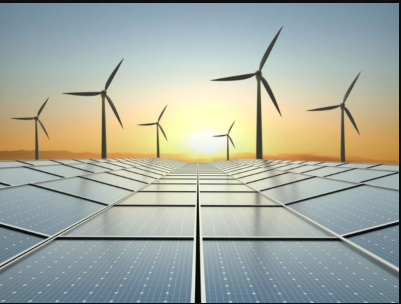
Green energy stocks represent publicly listed companies connected with renewable electricity generation, clean-energy equipment, energy storage, power infrastructure, and related technologies. The sector includes businesses associated with solar power, wind energy, hydropower, battery storage, green hydrogen, renewable equipment manufacturing, and supporting infrastructure. As countries increase their focus on reducing dependence on fossil fuels, renewable energy has become an important part of long-term energy planning.
In India, the renewable-energy landscape has expanded significantly. Recent market data shows listed companies participating in areas such as solar, wind, hydro, renewable financing, equipment manufacturing, and energy services. India’s non-fossil power capacity has continued to increase, while the country maintains a longer-term target of reaching 500 GW of non-fossil capacity by 2030. This creates a broad investment theme, but companies within the sector can have very different business models, financial structures, project pipelines, and risk levels.
What Are Green Energy Stocks?
Green energy stocks are shares of companies whose businesses are substantially connected with renewable or cleaner energy activities. Some companies directly generate electricity from solar, wind, hydro, or other renewable resources. Others manufacture solar modules, cells, wind turbines, batteries, electrical equipment, or components required for renewable projects.
The category can therefore be broader than renewable power producers alone. For example, an investor researching green energy stocks may encounter companies involved in renewable generation, project development, engineering and construction, equipment manufacturing, transmission, energy storage, financing, or related services. Understanding the underlying business is important because two companies classified under the same theme can have substantially different sources of revenue and financial risks.
Major Segments Within Green Energy
The renewable-energy market contains several major segments. Solar power is one of the largest and fastest-expanding areas, supported by falling technology costs, large-scale projects, rooftop installations, and increasing manufacturing capacity. Wind power represents another important segment, with companies involved in turbines, project development, operations, and related equipment.
Hydropower also remains significant because it can provide renewable electricity and, in some cases, flexibility for the wider electricity system. Battery storage is becoming increasingly relevant as renewable generation expands and electricity systems need ways to manage variable solar and wind output. Green hydrogen is another developing area, although its commercial scale and economics remain different from established renewable-generation technologies.
Solar Energy Companies
Solar energy has become a major part of India’s renewable-energy expansion. Recent industry reporting indicates that India’s installed solar capacity exceeded 168 GW by August 2026, with substantial capacity added during FY27. This expansion creates opportunities across several parts of the solar value chain rather than only electricity generation.
Solar-related listed businesses can include project developers, power producers, module manufacturers, cell manufacturers, engineering companies, and equipment suppliers. Manufacturing has gained additional attention as India develops domestic supply chains for solar cells and modules. Investors researching green energy stocks should therefore examine whether a company’s revenue comes from manufacturing, project ownership, engineering services, or a combination of businesses.
Wind and Hydropower Opportunities
Wind energy is another important renewable segment. Companies may participate through turbine manufacturing, project development, operation and maintenance, or ownership of wind assets. Wind generation can complement solar generation because production patterns can differ between the two resources.
Hydropower provides another route into renewable electricity. Companies operating hydroelectric facilities may have different financial characteristics from solar and wind developers because hydro projects typically involve long development periods, significant infrastructure requirements, and location-specific resources. Indian market data currently includes companies with substantial hydro exposure as well as businesses diversifying into solar and wind.
Renewable Energy Manufacturing
Renewable-energy manufacturing has become an increasingly important part of the sector. Solar cells, modules, wafers, inverters, batteries, electrical equipment, and wind components all form part of the broader clean-energy supply chain.
India’s policy environment has increasingly emphasized domestic manufacturing. Recent industry reporting highlights the growing importance of cell and module manufacturing, technology upgrades, capacity utilization, working capital, and supply-chain integration. For investors, this means that manufacturing capacity alone may not provide a complete picture of a company’s prospects. Utilization rates, margins, debt, capital expenditure, and the ability to convert capacity into sustainable revenue are also important considerations.
Energy Storage and Green Hydrogen
Renewable generation creates a growing need for energy storage because solar and wind production varies according to weather and time of day. Battery energy storage systems can help manage electricity supply and demand, making storage an increasingly relevant part of the clean-energy ecosystem.
Green hydrogen is another emerging segment. It involves producing hydrogen using renewable electricity, with potential applications in industries where direct electrification can be difficult. However, the economics, infrastructure requirements, demand development, and technology choices remain important considerations. Companies exposed to these emerging businesses may therefore have different risk profiles from established renewable power operators.
Factors That Influence Green Energy Stocks
Several factors can affect the performance of green energy stocks. Government policy is one important influence because renewable projects can depend on auctions, regulations, incentives, transmission infrastructure, renewable purchase requirements, and other policy mechanisms.
Interest rates and financing costs are also significant because renewable projects generally require substantial upfront capital. Higher borrowing costs can affect project economics, particularly for companies with large expansion plans or significant debt. Equipment prices, electricity tariffs, project execution, power purchase agreements, foreign-exchange movements, and commodity costs can also influence business performance.
The financial results of individual companies therefore need to be considered alongside broader renewable-energy trends.
Importance of Project Execution
Renewable-energy companies can announce large capacity-expansion plans, but announced capacity and operating capacity are not the same thing. Projects require land, equipment, financing, transmission access, construction, approvals, and commissioning.
Project delays can increase costs and postpone revenue generation. Investors examining green energy stocks should therefore consider a company’s historical execution record and compare planned capacity with actual additions. Order books and project pipelines can provide useful information, but they should be assessed alongside cash flow, capital expenditure requirements, debt, and expected project returns.
A large project pipeline can create future opportunities, but it also means the company may need substantial capital to convert those plans into operating assets.
Financial Metrics to Examine
Financial analysis remains important even when a company operates in a high-growth industry. Revenue growth can show whether the business is expanding, while operating margins can provide insight into profitability. Cash flow is particularly relevant for capital-intensive renewable businesses because accounting profits do not necessarily indicate how much cash remains available for expansion and debt repayment.
Debt levels should also be examined carefully. Renewable projects can require significant borrowing, and higher interest expenses can affect profitability. Investors can compare debt-to-equity levels, interest coverage, return on equity, return on capital employed, operating cash flow, and capital expenditure requirements.
Valuation is another consideration. A company operating in a rapidly expanding industry can still have a valuation that reflects substantial future growth. Comparing valuation measures with expected earnings, cash generation, assets, and growth assumptions can provide a more complete picture.
Risks Associated With Green Energy Stocks
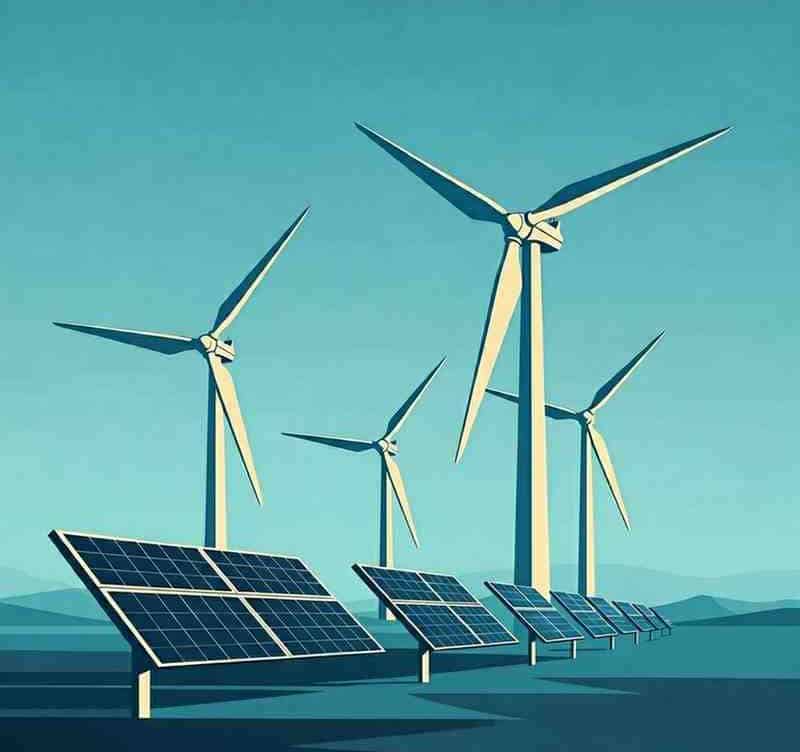
Despite the expansion of renewable energy, the sector has several risks. Policy changes can affect project economics, manufacturing incentives, tariffs, and development schedules. Renewable projects may also face land, transmission, permitting, supply-chain, and construction challenges.
Technology risk is another consideration. Solar-cell technologies, battery chemistry, storage systems, and other technologies continue to develop. Companies investing heavily in one technology may need additional capital to remain competitive as technology changes.
Market volatility can also be substantial. Share prices can respond to earnings announcements, project awards, debt changes, commodity prices, interest rates, policy developments, and broader market conditions. Sector growth does not guarantee that every company will experience the same financial performance.
How to Research Green Energy Companies
Research should begin by understanding exactly what a company does. A renewable-energy label alone does not explain the company’s revenue sources or financial structure. Investors can examine annual reports, quarterly results, investor presentations, project announcements, debt levels, cash flows, and capacity information.
It is also useful to understand whether a company owns operating renewable assets or primarily manufactures equipment and provides services. Power producers may have relatively different revenue structures from equipment manufacturers. Similarly, a company with significant renewable expansion plans may have different capital requirements from one focused on existing assets.
Comparing companies on the basis of business model, financial health, project execution, and valuation can provide more useful information than looking at share-price movement alone.
Role of Government Policies
Government policies can strongly influence renewable-energy development. In India, renewable capacity targets, bidding mechanisms, manufacturing policies, transmission investments, and other regulatory measures can affect industry growth. Recent data indicates that India’s non-fossil capacity has continued to expand, with the country pursuing a 500 GW non-fossil capacity goal for 2030.
However, policies can change over time, and their impact can differ between companies. A policy supporting solar manufacturing, for example, may benefit manufacturers differently from renewable power generators. Investors should therefore examine how a company’s business model is connected to specific policies rather than assuming that broad sector support will affect every company equally.
Long-Term Renewable Energy Trends
The long-term renewable-energy transition is being shaped by electricity demand, technology improvements, decarbonization objectives, energy security, manufacturing investment, and grid development. Solar and wind capacity continue to expand, while storage and other technologies are developing alongside them.
India’s renewable sector is also becoming more diversified. Companies are participating in solar generation, wind generation, hydroelectricity, manufacturing, storage, transmission, and renewable financing. Current market listings reflect this diversity, with companies ranging from large integrated power businesses to specialized renewable manufacturers and developers.
These trends provide context for the sector but do not determine the future performance of any individual stock.
Green Energy Stocks and Portfolio Research
For portfolio research, it can be useful to avoid treating all renewable companies as identical. A portfolio may contain companies with different exposure to solar, wind, hydro, manufacturing, storage, or power infrastructure. Diversification across business models can change the way sector-specific risks affect an overall portfolio.
Investors should also consider their investment horizon and risk tolerance before evaluating individual securities. Renewable companies can experience periods of rapid expansion as well as periods of higher volatility. Reviewing financial results over multiple years can provide more context than focusing only on recent share-price changes.
Conclusion
Green energy stocks cover a broad collection of companies involved in renewable power generation, equipment manufacturing, energy storage, project development, and supporting infrastructure. Solar, wind, hydro, battery storage, and emerging technologies such as green hydrogen are contributing to the development of the wider clean-energy ecosystem.
India’s renewable-energy capacity and domestic manufacturing activity continue to develop, creating a changing landscape for companies and investors. However, sector growth should not be viewed as a guarantee of individual company performance. Business models, project execution, debt, cash flow, valuation, technology, regulation, and market conditions all deserve careful examination. A disciplined research process can help investors understand the differences between companies before making their own investment decisions.