

Introduction
The global energy sector is changing rapidly as countries, businesses, and consumers look for cleaner and more sustainable sources of power. Solar, wind, hydroelectric power, energy storage, and other renewable technologies are becoming increasingly important parts of modern electricity systems. This transition has also created growing interest in green energy stocks, particularly among investors looking for exposure to long-term changes in energy demand. In India, renewable power capacity has expanded significantly, while the country continues to pursue its long-term non-fossil energy goals.
However, investing in this area requires more than simply choosing a company associated with clean energy. The sector includes power generators, equipment manufacturers, transmission businesses, storage companies, and diversified utilities. Each has different revenue models, capital requirements, debt levels, and growth prospects. Understanding these differences can help investors make more informed decisions and avoid focusing only on short-term market excitement.
What Are Green Energy Stocks?
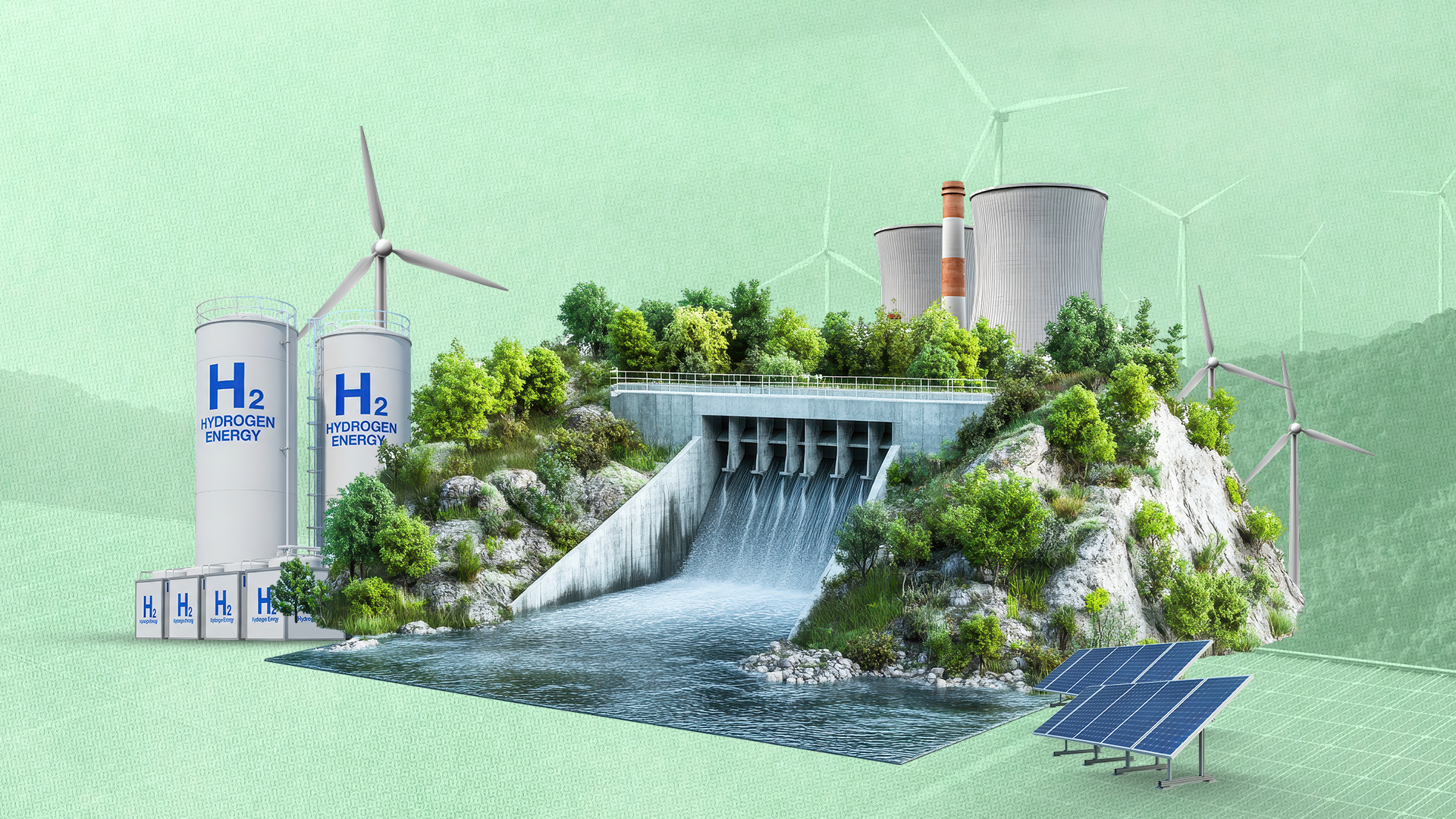
Green energy stocks are shares of publicly traded companies that participate in producing, supplying, developing, or supporting cleaner forms of energy. Their businesses can include solar power generation, wind farms, hydroelectric projects, battery storage, renewable-energy equipment, transmission infrastructure, and emerging technologies such as green hydrogen.
The sector is therefore much broader than companies that directly generate electricity from renewable sources. A solar module manufacturer, for example, may benefit from increasing solar installations without owning a single solar farm. Similarly, an engineering company providing equipment for renewable projects can gain from industry expansion even though it is not itself a power producer.
This broad structure gives investors several ways to participate in the energy transition. At the same time, it means that companies within the same theme can have very different financial characteristics. Investors should therefore examine the underlying business rather than treating every clean-energy company as identical.
Why Is Interest in Green Energy Growing?

One major reason for increasing interest is the continuing expansion of electricity demand. Electrification of transportation, industrial activity, digital infrastructure, and data centers is creating additional demand for reliable power. Recent analysis has also highlighted the relationship between rising electricity consumption, grid investment, and renewable-energy development.
India is particularly important in this discussion. The country has established ambitious long-term targets for non-fossil electricity capacity, encouraging investment across solar, wind, hydro, storage, and related infrastructure. Recent market coverage shows that India’s listed renewable-energy universe has expanded considerably, giving investors more companies to evaluate than in previous years.
These structural developments can create opportunities for businesses capable of building projects efficiently and generating sustainable cash flows. Nevertheless, rapid sector growth does not automatically mean every stock will deliver strong returns.
Major Categories Within the Sector
There are several important categories investors can explore when studying green energy stocks. Renewable power developers build and operate solar, wind, hybrid, and other clean-energy projects. Their performance can depend on project execution, electricity tariffs, financing costs, power-purchase agreements, and capacity utilization.
Another category includes equipment manufacturers. These businesses may produce solar modules, cells, wind turbines, components, inverters, or other technology required for renewable projects. Their revenues can grow strongly when installation activity increases, although margins may be affected by competition, raw-material costs, imports, and changes in technology.
Diversified utilities represent another group. These companies may combine renewable generation with conventional power, transmission, distribution, or other businesses. Their diversification can sometimes reduce dependence on a single technology, although investors need to understand how much of the company’s earnings actually comes from green-energy activities.
What Makes a Green Energy Company Attractive?
When researching green energy stocks, investors should look beyond revenue growth and examine the quality of the underlying business. A company with a large project pipeline may appear attractive, but its future performance depends on whether those projects can be financed and completed profitably.
Debt is particularly important because renewable infrastructure often requires substantial upfront investment. Higher borrowing costs can increase project expenses and reduce returns. Companies with manageable leverage, strong cash generation, and disciplined capital allocation may therefore have greater flexibility during difficult market conditions.
Investors should also examine return on equity, return on capital, operating margins, cash flow, and interest coverage. Comparing these figures with competitors can reveal whether a company’s growth is supported by healthy economics or primarily by increasing borrowing and capital expenditure.
The Importance of Government Policy
Government policy can have a meaningful influence on green energy stocks. Renewable projects may benefit from supportive regulations, capacity targets, auctions, incentives, infrastructure programs, or manufacturing policies. Conversely, changes in regulations, subsidies, taxation, or project approvals can affect industry economics.
India’s renewable-energy expansion has been supported by long-term policy objectives and continued capacity additions. Recent reports have described substantial increases in annual renewable additions, although bidding and project activity can fluctuate between periods.
Investors should therefore avoid assuming that current policy conditions will remain unchanged forever. A strong company should ideally have a business model capable of remaining competitive even when incentives become less favorable.
Solar and Wind Energy Opportunities
Solar power remains one of the most visible areas of renewable-energy investment. Falling technology costs, large-scale installations, rooftop projects, and industrial demand have helped make solar a central component of the energy transition. Companies can participate through manufacturing, engineering, project development, financing, or electricity generation.
Wind energy is another important segment. Wind-turbine manufacturers, component suppliers, project developers, and maintenance businesses can benefit from new installations and replacement demand. Hybrid projects that combine solar and wind can also help improve generation profiles.
The expansion of these technologies creates potential opportunities, but investors should consider competition, equipment prices, land availability, transmission capacity, and project execution before making decisions.
Energy Storage Could Become Increasingly Important
One challenge associated with renewable electricity is intermittency. Solar generation varies throughout the day, while wind generation depends on weather conditions. Energy storage can help balance supply and demand and improve grid reliability.
Battery storage is consequently becoming an increasingly important part of renewable-energy development. Companies involved in batteries, grid technology, storage systems, and renewable projects with integrated storage may benefit as the electricity system evolves.
For investors studying green energy stocks, storage deserves attention because future renewable growth may depend not only on generating more electricity but also on delivering that electricity when consumers need it.
Key Risks Investors Should Understand
Despite their long-term potential, green energy stocks can be volatile. Renewable projects are capital-intensive, making companies sensitive to interest rates and financing conditions. Higher borrowing costs can reduce project returns and place pressure on highly leveraged businesses.
Policy changes represent another risk. Renewable markets can be influenced by government targets, regulations, tariffs, incentives, and permitting procedures. Unexpected changes can affect project economics or investor sentiment.
Technology risk is also important. Energy technologies continue to develop, and companies that fail to adapt can lose competitiveness. Manufacturing businesses may face price pressure when industry capacity grows faster than demand.
There are also execution risks. Delays in obtaining land, permits, equipment, grid connections, or financing can postpone projects and increase costs. Investors should therefore consider execution history rather than relying solely on ambitious future targets.
How to Evaluate Green Energy Stocks
A disciplined approach can make the analysis of green energy stocks more effective. Investors can begin by understanding exactly what the company sells and where its revenue comes from. A renewable-energy label alone does not reveal whether a business is financially strong.
Next, examine revenue and profit trends, debt, cash flow, capital expenditure, and return ratios. Project pipelines should be compared with the company’s ability to finance them. Investors should also investigate whether earnings come from stable long-term contracts or more volatile market-based electricity sales.
Valuation is equally important. Even an excellent company can become a poor investment if its share price already assumes unrealistic growth. Comparing valuation multiples with historical levels and industry peers can provide useful context.
Diversification Can Reduce Concentration Risk
The renewable-energy industry contains multiple technologies and business models, so investors do not necessarily need to depend on one company or one segment. Diversification across established utilities, renewable developers, equipment manufacturers, and infrastructure businesses may reduce company-specific risk.
However, diversification should not mean buying businesses without understanding them. Investors should still consider financial strength, valuation, management quality, competitive advantages, and long-term growth prospects.
A balanced approach can be especially useful because renewable markets can experience periods of rapid enthusiasm followed by sharp corrections. Recent sector analysis has emphasized that clean-energy equities have historically experienced boom-and-bust cycles influenced by financing costs and policy conditions.
Green Energy Stocks and the Long-Term Energy Transition
The broader case for green energy stocks is closely connected to the long-term transformation of the electricity system. Renewable generation is expanding alongside grid modernization, storage, electrification, and increasing demand for reliable power.
This does not mean that every renewable company will succeed. The sector’s future winners are likely to be businesses that combine technological relevance with sound finances, efficient project execution, strong balance sheets, and sustainable competitive advantages.
Investors should therefore distinguish between the growth of an industry and the performance of individual stocks. A rapidly expanding market can still contain companies that struggle because of excessive debt, poor execution, weak margins, or expensive valuations.
Conclusion
Green energy stocks represent an important investment theme linked to the changing global energy landscape. Solar, wind, storage, hydroelectric power, grid infrastructure, and emerging clean technologies are creating new opportunities for businesses and investors. India’s expanding renewable-energy ecosystem has also increased the number of listed companies available for analysis.
At the same time, investors should approach the sector with patience and careful research. Debt levels, cash flow, project economics, valuation, government policy, competition, and execution ability can all influence long-term returns. Rather than selecting a stock simply because it carries a green-energy label, investors can focus on companies with credible growth plans and strong financial foundations.
The renewable-energy transition may continue for decades, but successful investing still depends on evaluating individual businesses carefully. A thoughtful combination of research, diversification, valuation awareness, and risk management can help investors approach this rapidly evolving sector more responsibly.
This article is for educational purposes only and is not investment advice. Market conditions and company fundamentals can change, so investors should conduct independent research before making financial decisions.